
When homeowners search for how to reset furnace igniter or how to reset furnace ignitor, they are almost always dealing with a gas-fired heating system that failed to light. The house is cold, the furnace tried to start, and now nothing happens. In that moment, the igniter becomes the focus — and understandably so.
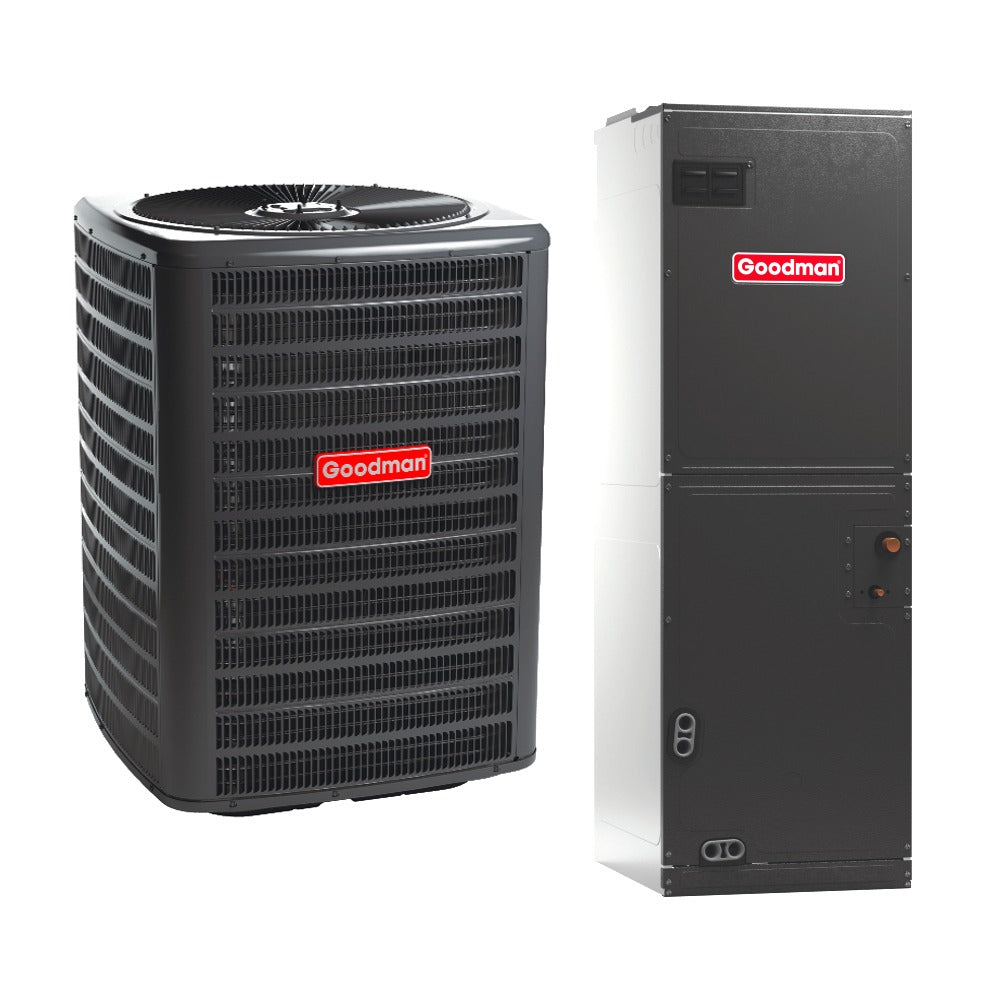
However, one of the most important things to understand is that not all furnaces even have igniters. The Goodman MBVK electric furnace does not use an igniter at all, which fundamentally changes how “resetting” works, how safety systems operate, and how homeowners should troubleshoot heating problems.
In this article, I’m going to do three things:
-
Explain what a furnace igniter is and how reset logic works in gas furnaces
-
Clarify what people really mean when they ask how to reset a furnace ignitor
-
Show how the Goodman MBVK electric furnace handles startup, shutdown, and safety without any igniter or manual reset process
This distinction matters, because applying gas-furnace logic to an electric furnace often leads to confusion, wasted time, or unnecessary service calls.
What Is a Furnace Igniter?
A furnace igniter is a component found in gas furnaces, not electric ones. Its sole purpose is to ignite the gas released into the burner during a heating cycle.
Modern gas furnaces typically use one of two igniter types:
-
Hot Surface Igniter (HSI) – heats up until it glows and lights the gas
-
Intermittent Spark Igniter – creates a spark to ignite gas
Older systems may use standing pilot lights, but those are increasingly rare.
If ignition fails, the furnace shuts down for safety. That’s when homeowners begin searching for how to reset the furnace ignitor.
What People Really Mean by “Resetting a Furnace Igniter”
Here’s the critical point:
There is no button that directly resets a furnace igniter.
When people ask how to reset a furnace igniter, they usually mean one of the following:
-
How to reset the furnace after ignition failure
-
How to clear a furnace lockout condition
-
How to restart a furnace that failed to ignite
-
How to cycle power to retry ignition
The igniter itself does not reset. It either works, fails, or is prevented from operating by a safety condition.
How Gas Furnaces Handle Ignition Failure
In a gas furnace, the ignition sequence looks like this:
-
Thermostat calls for heat
-
Inducer motor starts
-
Pressure switch confirms proper draft
-
Igniter heats up or sparks
-
Gas valve opens
-
Flame sensor confirms ignition
If ignition fails at any step, the furnace shuts down and may enter a lockout state.
Most modern furnaces automatically retry ignition several times. If all attempts fail, the system locks out and requires a reset.
How to “Reset” a Gas Furnace Igniter Safely
If you are dealing with a gas furnace, resetting after an ignition failure typically involves power cycling, not touching the igniter.
The correct process is:
-
Turn the furnace off at the thermostat
-
Shut off power to the furnace at the breaker or service switch
-
Wait 30 to 60 seconds
-
Restore power
-
Set the thermostat back to heat
This clears the control board lockout and allows the furnace to attempt ignition again.
Guidance from Energy.gov emphasizes that repeated ignition failures should not be ignored, as they indicate an underlying problem such as airflow, gas supply, or component failure.
Why Repeated Igniter Resets Are a Problem
If a gas furnace fails to ignite repeatedly, the igniter is often blamed — but it’s not always the cause.
Common root issues include:
-
Dirty flame sensor
-
Cracked or worn igniter
-
Gas supply issues
-
Faulty pressure switch
-
Venting or airflow problems
-
Control board faults
Repeatedly resetting the furnace without addressing the cause can:
-
Shorten igniter lifespan
-
Mask serious safety issues
-
Lead to complete furnace shutdown
-
Increase repair costs
This is one reason modern systems rely heavily on automatic lockouts rather than manual reset buttons.
Why the Goodman MBVK Electric Furnace Has No Igniter
Now let’s shift to the Goodman MBVK electric furnace, because this is where confusion often peaks.
The MBVK is an electric furnace, meaning:
-
No gas
-
No oil
-
No combustion
-
No flame
-
No igniter
Heat is produced using electric resistance heating elements, not fuel ignition. As a result, the entire concept of “resetting an ignitor” simply does not apply.
How the Goodman MBVK Produces Heat
The MBVK operates using a completely different heating process:
-
Thermostat calls for heat
-
Control board energizes heating elements
-
Blower motor moves air across elements
-
Heated air is distributed through ductwork
There is no ignition sequence. There is nothing to light, spark, or glow. Heat begins instantly once electrical conditions are met.
This design eliminates many of the failure points found in gas furnaces.
What Happens When an Electric Furnace Stops Heating
When an MBVK stops producing heat, the cause is almost always electrical or airflow-related.
Common reasons include:
-
Tripped circuit breaker
-
Blown fuse
-
Restricted airflow causing a high-limit trip
-
Failed heating element
-
Control board safety shutdown
In these cases, the blower may still run while heating is disabled — a scenario that often sends homeowners searching for reset instructions.
Resources such as HVAC.com explain that electric furnaces rely on automatic safety controls rather than manual resets.
“Resetting” a Goodman MBVK Electric Furnace
While there is no igniter to reset, the MBVK can still be restarted safely by addressing the underlying issue and restoring power.
Typical reset steps include:
-
Turning off the thermostat
-
Resetting the circuit breaker if tripped
-
Allowing the furnace to cool if a limit switch opened
-
Restoring power and calling for heat
High-limit switches in electric furnaces usually reset automatically once temperatures return to safe levels.
Why Electric Furnaces Are Considered Lower Maintenance
The absence of an igniter is one reason electric furnaces like the MBVK are often chosen for certain applications.
Electric furnaces do not require:
-
Igniter replacement
-
Flame sensor cleaning
-
Gas pressure adjustment
-
Combustion air management
-
Venting inspections
According to manufacturers such as Goodman, electric furnaces are often selected for simplicity, safety, and ease of ownership — especially in manufactured homes and all-electric residences.
Common Misdiagnoses When Homeowners Search for Igniter Resets
I frequently see homeowners apply gas-furnace logic to electric systems.
Examples include:
-
Looking for an igniter in an electric furnace
-
Searching for a reset button that does not exist
-
Power cycling repeatedly without checking airflow
-
Replacing thermostats unnecessarily
Understanding what type of furnace you have is the first step toward effective troubleshooting.
The Role of Airflow in Electric Furnace Safety
While gas furnaces focus heavily on ignition safety, electric furnaces focus heavily on airflow safety.
Restricted airflow can cause:
-
Overheating of heating elements
-
High-limit switch activation
-
Heating shutdown while blower continues
-
Reduced comfort and efficiency
Organizations such as ACCA emphasize that airflow design and maintenance are critical for electric heating performance.
When a Professional Is Required
You should contact a licensed HVAC technician if:
-
A gas furnace fails to ignite after a reset
-
An igniter shows visible cracks or damage
-
An electric furnace repeatedly shuts off heating
-
Breakers trip frequently
-
You are unsure whether your system is gas or electric
Attempting component-level repairs without training can create safety risks and void warranties.
Comparing Igniter Resets vs Electric Furnace Logic
Gas Furnace
-
Uses igniter
-
May lock out after failed ignition
-
Reset clears control board fault
-
Combustion safety is primary concern
Goodman MBVK Electric Furnace
-
No igniter
-
No combustion
-
Automatic thermal and electrical protection
-
Airflow and electrical safety are primary concerns
Understanding this difference prevents misdiagnosis and frustration.
Final Thoughts from Jake Lawson
Searches for how to reset furnace igniter or how to reset furnace ignitor usually come from a place of urgency — the heat is off, and answers are needed fast. The key takeaway is this: igniters do not reset themselves, and repeated resets without diagnosis often make problems worse.
The Goodman MBVK electric furnace avoids this entire category of issues by eliminating combustion altogether. There is no igniter to fail, no flame to monitor, and no fuel to manage. Instead, the system relies on electrical controls, airflow management, and automatic safety limits to deliver heat safely and reliably.
Knowing what type of furnace you have — and how it actually works — is the most powerful troubleshooting tool you can have as a homeowner.