
For homeowners looking to upgrade their cooling system without major renovations, a mini split air conditioner is a perfect solution. I’m Mike Sanders, and I’ve helped countless homeowners navigate the installation and maintenance of HVAC systems. In this guide, I’ll walk you through how to install a mini split air conditioning unit, what tools and materials you need, and common challenges to avoid.
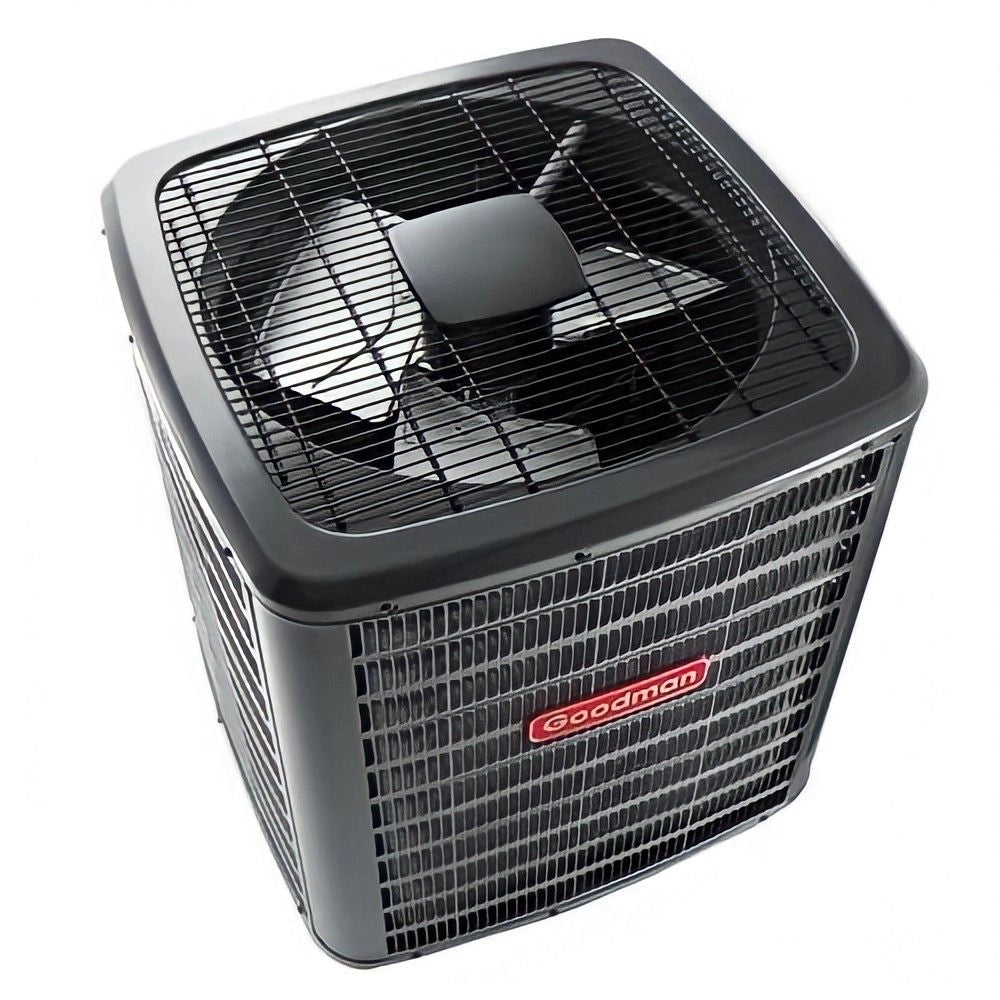
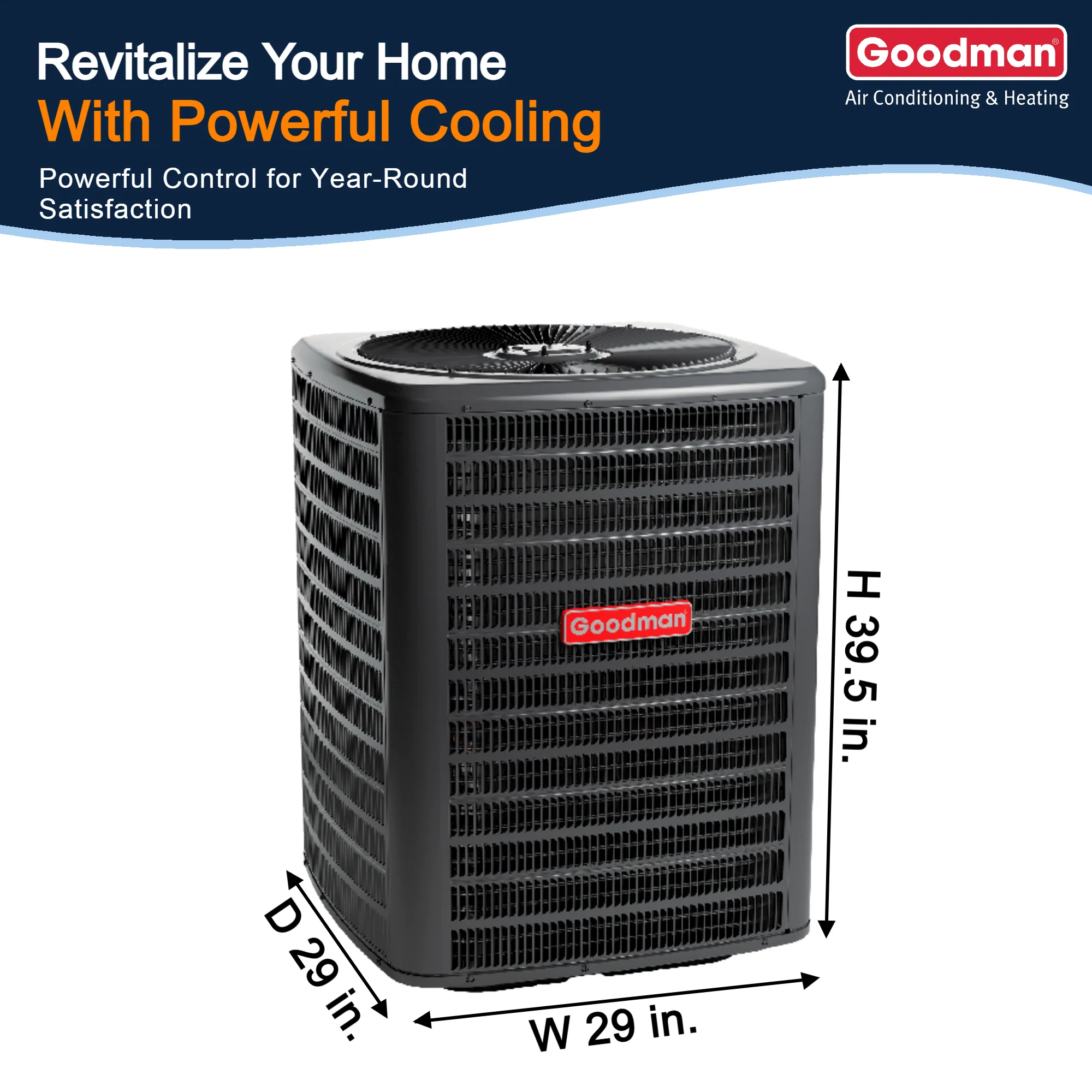
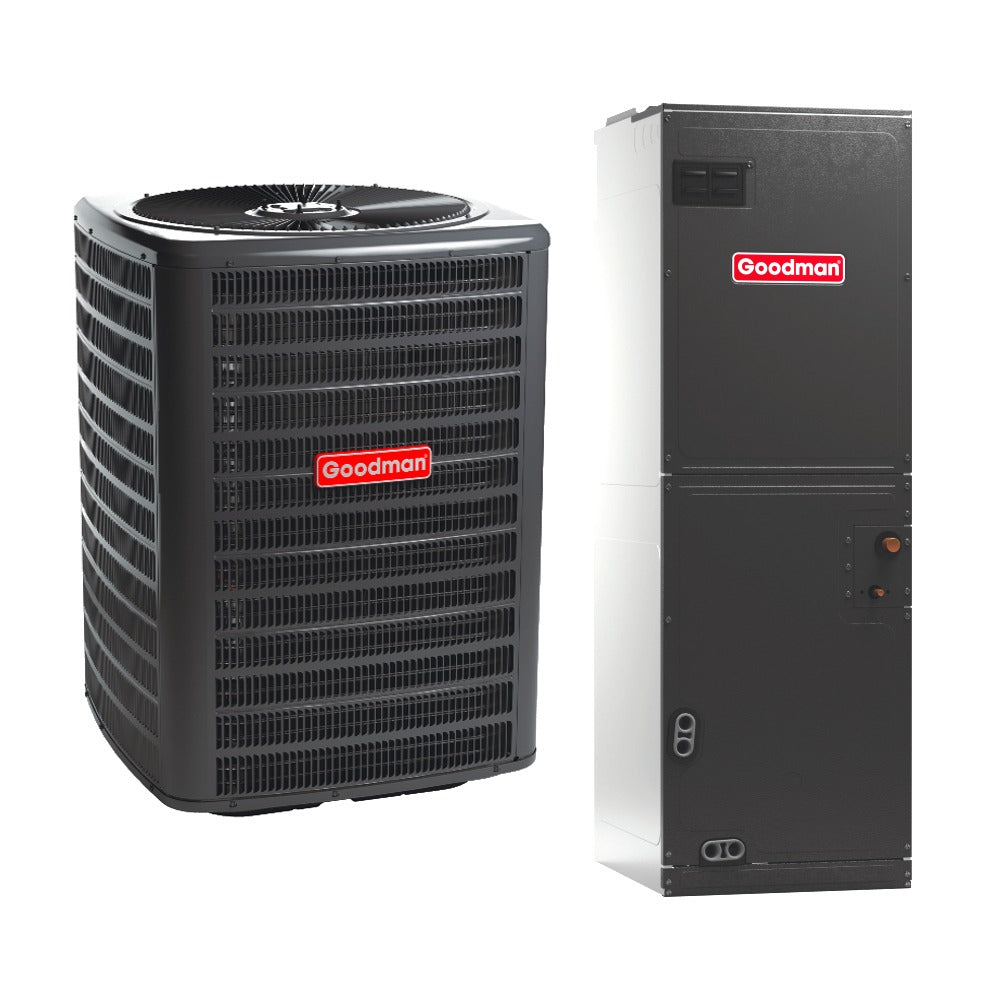
We’ll also touch on full-home options for those looking for a higher-capacity system, like the Goodman 3-Ton 14.5 SEER2 R32 Bundle, which integrates seamlessly with existing ductwork for professional-grade performance. Check out the product page here: Goodman 3-Ton SEER2 R32 Bundle.
Why Choose a Mini Split Air Conditioner
Mini-split systems offer unique advantages over traditional window units or central air:
-
Ductless installation: No need for extensive ductwork, making it ideal for older homes or rooms without existing HVAC systems
-
Energy efficiency: Typically more efficient than window units, reducing monthly energy costs
-
Zoning flexibility: Control the temperature of individual rooms independently
-
Quiet operation: Indoor units operate quietly, providing comfort without disruption
According to the Department of Energy, ductless mini splits can be up to 30% more efficient than conventional systems, making them a smart long-term investment. For energy efficiency standards, see Energy.gov – Home Cooling Systems.
Understanding Mini Split Components
A standard mini split air conditioning unit consists of two main components:
-
Indoor air handler: Mounted on the wall or ceiling, it circulates cool air into the room
-
Outdoor condenser unit: Houses the compressor and dissipates heat outside
Additional components include:
-
Remote control or thermostat
-
Refrigerant lines and insulation
-
Electrical wiring and disconnect box
-
Condensate drain line
For detailed installation guidelines and safety tips, visit The Home Depot's Resources.
Tools and Materials Needed for Installation
Before you begin, gather the necessary tools:
-
Drill and drill bits
-
Level and tape measure
-
Stud finder
-
Hole saw for refrigerant lines
-
Wrenches and screwdrivers
-
Vacuum pump and refrigerant manifold gauge set (for charging)
Materials typically included in a mini split kit:
-
Indoor air handler and outdoor condenser
-
Mounting brackets
-
Refrigerant line set
-
Electrical wiring harness and disconnect
-
Condensate drain tubing
Step-by-Step Guide: How to Install a Mini Split Air Conditioning Unit
Step 1: Choose Location
-
Indoor unit should be mounted high on a wall for optimal airflow
-
Avoid direct sunlight or heat sources
-
Outdoor condenser should be placed on a stable, level surface with at least 2–3 feet clearance around it for proper ventilation
Step 2: Mount Indoor Unit Bracket
-
Use a level to ensure horizontal alignment
-
Secure the bracket to studs for stability
-
Drill a hole (typically 2–3 inches) for refrigerant lines, electrical wiring, and condensate drain
Step 3: Install Outdoor Condenser
-
Place the condenser on a concrete pad or stand to prevent vibration
-
Ensure proper airflow and clearance
-
Check local building codes for placement requirements
Step 4: Run Refrigerant Lines and Wiring
-
Connect the indoor and outdoor units with refrigerant lines
-
Insulate the lines to prevent energy loss
-
Connect electrical wiring according to manufacturer instructions
Step 5: Set Up Condensate Drain
-
Ensure the drain tubing slopes downward for gravity drainage
-
Alternatively, use a condensate pump for locations without gravity drainage
-
Prevent backflow to avoid leaks
Step 6: Charge and Test the System
-
Some mini-split kits come pre-charged; others require vacuuming and refrigerant charging
-
Use a vacuum pump to remove air and moisture from the lines
-
Test the system for cooling performance, airflow, and proper operation
For detailed refrigerant handling standards, see EPA Section 608 HVAC Guidelines.
Common Challenges When Installing a Mini Split
-
Incorrect line installation: Kinking or over-bending refrigerant lines reduces efficiency
-
Improper indoor unit placement: Affects airflow and cooling performance
-
Electrical issues: Undersized wiring or incorrect connections can be hazardous
-
Condensate drainage problems: Poor drainage can cause leaks or water damage
To avoid these issues, carefully follow the manufacturer’s instructions and consider consulting a certified HVAC technician for final testing.
DIY vs. Professional Installation
While installing a mini split can be a DIY project for skilled homeowners, there are situations where professional help is recommended:
-
Charging refrigerant on high-capacity systems
-
Multi-zone mini splits with complex line sets
-
Compliance with local building codes and safety standards
Professional installation ensures efficiency, proper warranty coverage, and long-term reliability. For professional standards and guidance, see ACCA – Air Conditioning Contractors of America.
Benefits of Mini Split Systems
-
Energy savings: High SEER units reduce electricity consumption
-
Zoned cooling: Customize temperatures room by room
-
Easy installation in older homes: Avoid ductwork
-
Quiet operation: Ideal for bedrooms and offices
For a larger home or multiple-zone solution, upgrading to a full professional system like the Goodman 3-Ton SEER2 R32 Bundle can provide whole-home comfort.
Maintenance Tips for Mini Split Units
-
Clean or replace filters monthly
-
Inspect refrigerant lines for leaks or insulation damage
-
Keep outdoor condenser free of debris
-
Schedule annual professional inspection to maintain warranty and efficiency
Regular maintenance ensures your mini split operates efficiently for years. For energy-saving maintenance tips, see Energy Star – HVAC Maintenance.
Cost Considerations
Mini split air conditioner installation costs vary based on:
-
Single-zone vs. multi-zone systems
-
Brand and model efficiency (SEER rating)
-
DIY installation vs. professional installation
Typical DIY mini splits cost between $400–$1,500 for single-zone units, while multi-zone or professional-grade systems can exceed $3,000–$5,000. Comparing costs with professional installation is crucial for budgeting.
When to Upgrade to a Professional System
If you require:
-
Whole-home cooling
-
Integration with existing ductwork
-
High-capacity solutions
A professional system like the Goodman 3-Ton SEER2 R32 Bundle provides efficiency, reliability, and long-term peace of mind. It’s ideal for homeowners who need more cooling than a single mini split can deliver.
Conclusion
Installing a mini split air conditioner is a practical, energy-efficient solution for cooling individual rooms or small spaces. By understanding how to install a mini split air conditioning unit, gathering the right tools, and following step-by-step instructions, homeowners can achieve effective cooling with minimal disruption.
For larger, long-term solutions, professional-grade systems like the Goodman 3-Ton 14.5 SEER2 R32 Bundle ensure reliable, whole-home comfort.