
INTRODUCTION — WHY “HVAC QUOTES” OFTEN FEEL LIKE MAGIC
If you’ve ever started poking around for a new heating or cooling system, you know how confusing it can get:
“Call for a quote.”
“We’ll give you a ballpark.”
“It depends on your ducts, home size, permits…”
Sound familiar?
Whether you’re replacing an aging furnace, adding central air conditioning, or doing a full HVAC swap-out, getting reliable quotes is critical. Bad or incomplete quotes — or worse, quotes that leave out key costs — are the number one reason I see homeowners go over budget, end up with an undersized system, or regret the whole job a few years down the line.
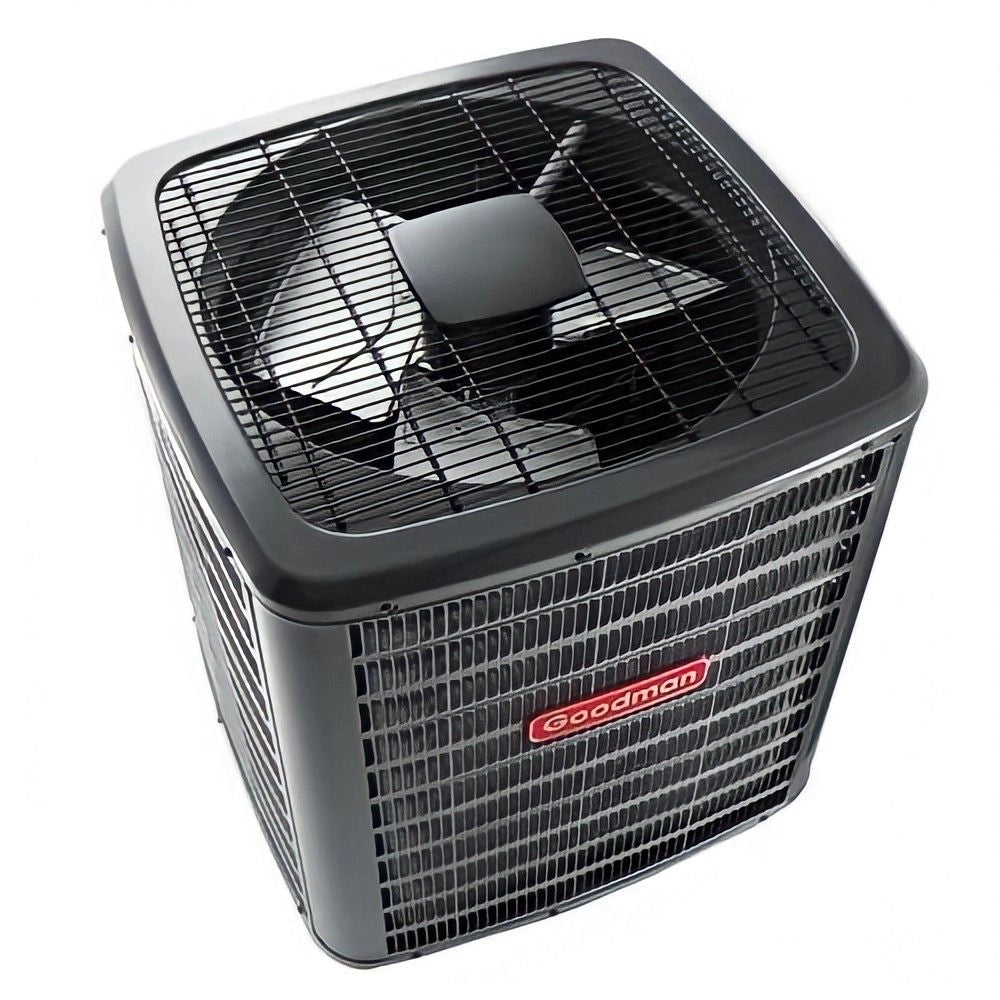
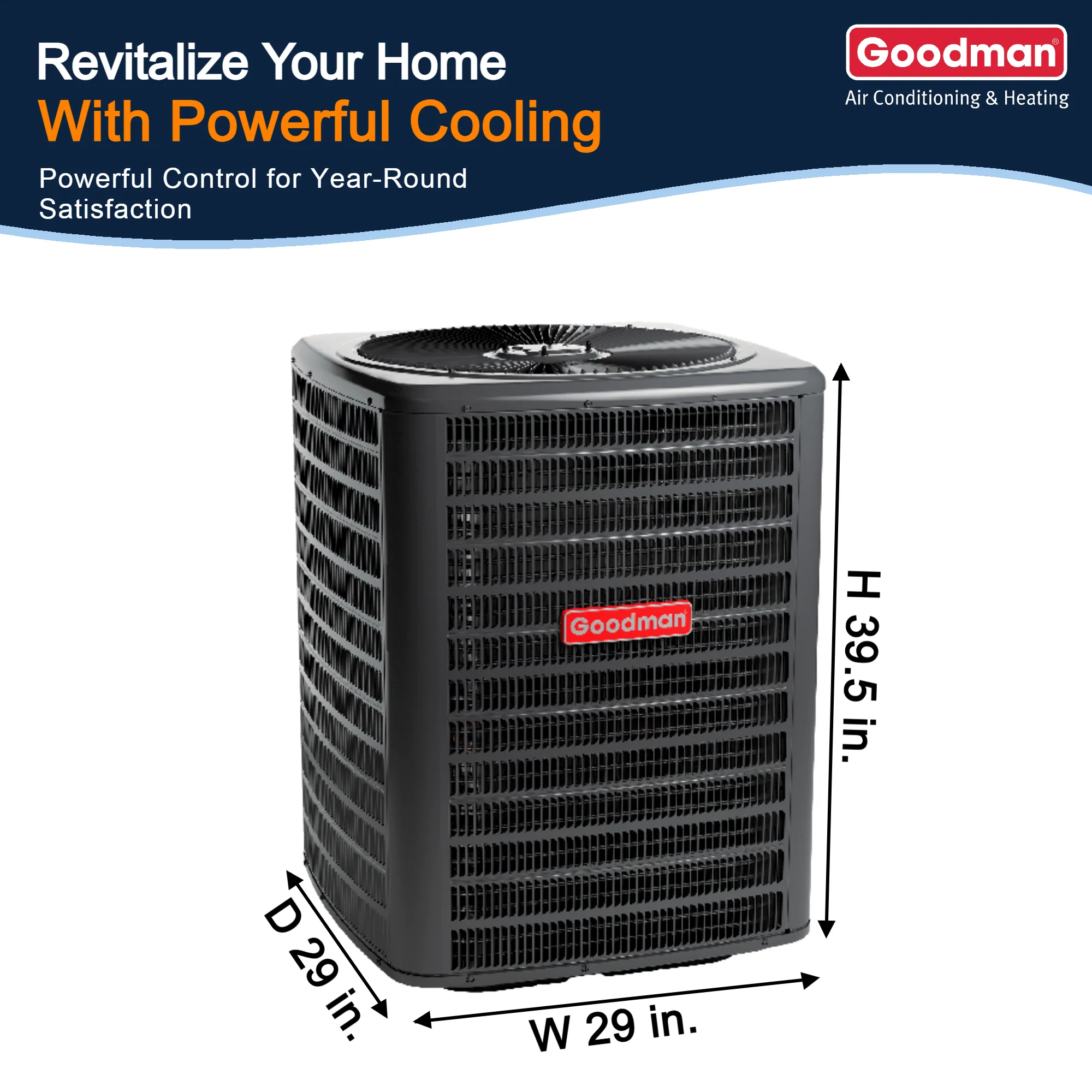
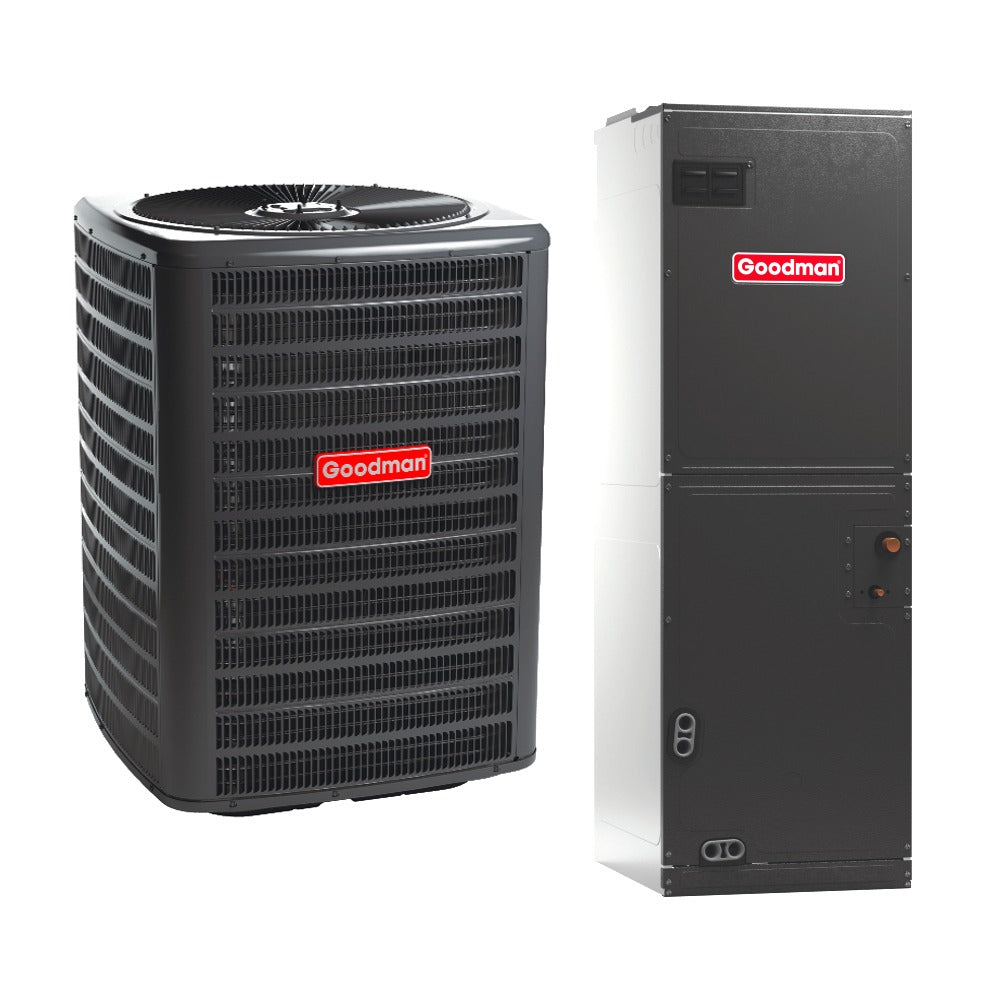
I wrote this guide to help you approach quotes like a pro — even if you don’t know the first thing about SEER ratings, tons, or refrigerants. And I’ll also show why a balanced, dependable system like Goodman 3 Ton 14.5 SEER2 R32 often represents some of the best value when HVAC quotes start rolling in.
1. WHAT AN HONEST QUOTE FOR CENTRAL AIR OR HVAC REPLACEMENT SHOULD INCLUDE
When you ask for quotes for central air conditioning or HVAC replacement quotes, a trustworthy contractor should break down the bid into these clear components. If any are missing or vague — red flag. This breakdown also helps when you compare multiple quotes (against 3 quotes at minimum — more on that later).
✅ Equipment Costs
-
Outdoor condenser / AC unit (or heat pump)
-
Indoor air handler or coil / furnace (if including heat)
-
Thermostat or control hardware (if upgraded)
-
Mounting hardware, pad, line‑sets, refrigerant (or refrigerant-ready lines)
A good quote names the exact brand/model (e.g. Goodman 3 Ton 14.5 SEER2 R32), tonnage, and efficiency rating.
✅ Labor & Installation Costs
-
Removal/disposal of old equipment (if any)
-
Installation of new components (indoor/outdoor)
-
Electrical work, duct‑connections, and gas/plumbing (if furnace is involved)
-
Startup work: refrigerant handling, vacuum, charging refrigerant (if required), airflow balancing, safety checks, system commissioning
✅ Ductwork, Vent, & Duct-Sealing or Adjustments (if needed)
Even when you have existing ductwork, many older systems suffer from leaks or undersized ducts. A good quote will include sealing ducts, adjusting supply/return vents, maybe even duct‑insulation or replacement if required. Poor ductwork can waste 20–30% of system efficiency.
✅ Permits, Inspections, and Compliance Fees
Local building codes often require HVAC permits, mechanical and electrical inspections, record‑keeping, and proper disposal of old refrigerant or equipment. A complete quote should account for permit costs and compliance work where applicable.
✅ System Commissioning and Final Testing
This includes refrigerant charge testing, airflow measurements, thermostat calibration, safety checks, drain‑line checks, and confirming system operation before signing off. Some quotes list this separately, others fold it into labor. Either way — it needs to be there.
2. WHAT AVERAGE HVAC QUOTES TYPICALLY COST IN 2025 (AND WHY THEY VARY)
Let’s talk numbers. As of 2025, the average cost for a full HVAC replacement or central air installation tends to fall into these national ranges (before local variation):
Why quotes vary so much:
-
Home size and insulation — bigger or leaky homes need larger or more robust systems
-
Ductwork condition — sealed, insulated ducts vs. leaky or outdated ducting affects labor and materials
-
System efficiency & specifications — higher‑efficiency units, variable‑speed blowers, smart thermostats raise upfront cost but lower long‑term bills (Angi)
-
Labor region and local code compliance — some areas have higher labor costs, permit fees, licensing requirements
-
Scope of work — simple condenser swap vs. full furnace + AC + ductwork + wiring + permit package
That’s why when you collect HVAC replacement quotes, you’ll likely see a $6,500 bid and a $14,000 bid on the same day — and both may be “realistic,” depending on what each includes (or excludes).
3. WHY THE GOODMAN 3 TON 14.5 SEER2 R32 BUNDLE IS A SMART BASELINE FOR QUOTES
If you're shopping for HVAC and want a balance of value, reliability, and code‑compliance — a lot of contractors use the Goodman 3 Ton 14.5 SEER2 R32 bundle as a go-to baseline for their quotes. Here’s why it stands out:
-
Matched indoor/outdoor equipment — avoids mismatched coil-condenser combos that degrade efficiency or fail prematurely.
-
3 ton capacity — suitable for many typical U.S. homes of ~1,500–2,200 sq ft (assuming normal insulation and occupancy). That keeps the system from being oversized (which wastes energy) or undersized (which stresses components).
-
SEER2 14.5 efficiency — meets modern regulatory standards while avoiding the premium cost of ultra‑high‑efficiency units, delivering reasonable energy bills without excessive upfront expense.
-
R‑32 refrigerant — increasingly common in new systems, more environmentally acceptable, and future‑proof relative to older refrigerants that are being phased out.
Because of those strengths, when you get multiple HVAC quotes using the Goodman 3 Ton bundle as the equipment base, you’re comparing true “apples to apples.” It’s a dependable foundation to evaluate labor, ductwork, and installation scope — rather than debating whether the equipment itself is comparable.
4. HOW TO SHOP FOR HVAC QUOTES — YOUR STEP-BY-STEP PLAYBOOK
To get good quotes (and avoid surprises), follow this approach — I’ve used it hundreds of times with clients:
1. KNOW YOUR HOME FIRST
-
Approximate square footage, number of floors, insulation quality, window count.
-
Existing ductwork condition (leaks? old flex duct? metal sheet duct?).
-
Existing HVAC equipment age and condition.
-
Electrical capacity (breaker panel rating, existing dedicated circuits).
2. Request At Least 3 Separate Quotes From Reputable Contractors
Don’t settle on the first number you get. Comparing 3+ bids gives you clarity on market rates and helps spot outliers — whether they’re overpriced or cutting corners.
3. Demand an Itemized Quote — Not “Package Price”
Ensure each quote breaks down:
-
Equipment (brand/model, tonnage, SEER, refrigerant)
-
Labor (removal, installation, wiring, start-up)
-
Ductwork or vent work (if needed)
-
Permits / inspections
-
Extras (thermostat, pads, refrigerant line‑sets, refrigerant, accessories)
Quotes that say simply “$8,500 for full install” without detail are red flags — you won’t know what’s omitted or what you might be charged later.
4. Confirm Efficiency, Warranty & Compliance Details
Better efficiency (higher SEER2, variable‑speed blower, etc.) usually increases cost — and that’s fine. But make sure the quote mentions:
-
Warranty terms (equipment & workmanship)
-
System specs (SEER2 rating, refrigerant type, capacity)
-
Compliance with local building/electrical codes
5. Confirm What’s Included & What’s Extra
Some quotes include duct repair, permits, disposal, refrigerant — others treat those as “extras.” Make sure you know what’s built in and what could add hundreds or more dollars later.
6. Understand Project Timing & Seasonal Demand
Summer and spring often mean busy seasons — prices may be higher or wait times longer. Getting quotes in off-season can sometimes mean better pricing or incentives.
7. Review Aftercare, Maintenance, and Service Terms
A good quote isn’t just about installation — it should account for future serviceability, maintenance access, and clarity about what’s covered (or not) under warranty.
5. HOW TO READ & EVALUATE HVAC QUOTES LIKE A VETERAN — A COMPARISON FRAME
Here’s a sample comparison between two hypothetical quotes for the same home — one with the Goodman 3 Ton bundle, one with a different system.
| Item | Quote A (Goodman 3 Ton) | Quote B (Unknown Brand) |
|---|---|---|
| Equipment | Goodman 3 Ton 14.5 SEER2 R32 (outdoor condenser + coil) | “16 SEER AC + coil — brand TBD” |
| Labor (install + start-up) | Included | Included |
| Ductwork sealing/inspection | Included (with extra $400 buffer) | Not mentioned |
| Permits & disposal of old unit | Included | “At cost” (unspecified) |
| Thermostat, line‑sets, pad | Included | Not mentioned |
| Warranty | 10-year compressor + 1 year labor | Brand warranty only (compressor only) |
| Total Price | $8,700 | $7,200 |
At first glance, Quote B seems cheaper — but due to missing ductwork sealing, unknown brand & specs, and vague terms, Quote A is far more trustworthy. A difference of ~$1,500–$2,000 now may save $500–$1,000 per year in energy bills and avoid headaches for a decade.
6. RED FLAGS TO WATCH FOR IN HVAC QUOTES
When reviewing quotes for central air conditioning or full HVAC replacement, avoid these common red flags:
-
Vague equipment descriptions — no model number, efficiency rating, or specs.
-
“Bundle price” without itemization.
-
No mention of ductwork inspection or sealing when ducts are likely old.
-
Permits or disposal of old equipment not addressed.
-
Low upfront price but high “optional extras” (pads, refrigerant, line‑sets, etc.).
-
Missing start-up, refrigerant charging, or commissioning steps.
-
Unlicensed or uninsured contractor, or no proof thereof.
If a quote triggers more than one of these concerns — get another. Always compare before committing.
7. WHEN REPLACING HVAC MAKES MORE SENSE THAN REPAIR — QUOTE VS. REPAIR MATH
Sometimes HVAC quotes come back so high, homeowners consider repair instead. That’s valid — but you need to do honest math.
Here’s what to consider:
-
Age of current system — if unit is 12–15 years old, even major repairs may just prolong the inevitable.
-
Frequency of breakdowns — multiple calls per season suggest rising reliability costs.
-
Efficiency & energy bills — old units often run less efficiently, raising electricity or gas expenses.
-
Hidden repair costs — refrigerant leaks, duct sealing, uneven airflow, recurring maintenance.
In many cases, a full replacement (with updated efficiency, sealed ducts, and modern refrigeration) may end up costing only modestly more than a major repair — but deliver years of stable performance and savings. That’s especially true if you choose a balanced system like the Goodman 3 Ton bundle, get a detailed quote, and insist on proper installation.
8. REALISTIC EXPECTATIONS: WHAT A GOOD HVAC QUOTE GETS YOU IN 2025
If you’re getting quotes today, here’s what you should expect — assuming an average mid‑size home with functioning ductwork:
-
Equipment and installation for a matched-forced‑air system: $6,000 to $10,000
-
Proper duct inspection and minor sealing: $300–$1,000 added (not optional, in many cases)
-
Permit, disposal of old system, permitting & disposal fees: up to $500–$1,000 depending on local code
-
Testing, start-up, refrigerant charging, controls: included or itemized — expect it to be non‑negotiable for quality install
If a quote comes in significantly below these ranges — double check what’s missing. If it’s much higher — ask for itemization and justification (oversized unit, extra labor, high‑efficiency extras, complicated install, etc.).
9. WHY MANY HOMEOWNERS UNDERESTIMATE TRUE COST — AND REGRET IT
In my years doing installations, I’ve seen more than a few homeowners get burned by what looked like “cheap HVAC.” The common mistakes?
-
Choosing the cheapest quote that looked “close enough” — ignoring missing ductwork sealing, undersized units, or vague equipment specs.
-
Skipping ductwork evaluation — assuming existing ducts are fine. But leaky or poorly insulated ducts can kill 20–30% of system efficiency.
-
Ignoring hidden costs: disposal, permits, pad or pad prep for condenser, electrical work, thermostat upgrades.
-
Pretending installation is just “plug and play” — failing to account for start-up, refrigerant handling, airflow balancing.
The result: higher energy bills, uneven cooling, early breakdowns, and ultimately a “cheap” HVAC install that costs more in headaches and incremental upgrades over time.
10. FINAL ADVICE FOR GETTING SOLID HVAC QUOTES LIKE A PRO
If you're in the market for a new HVAC system or central AC — here’s my straight-up checklist before you sign any paperwork:
-
Get at least 3 itemized quotes (never accept vague “all inclusive” statements).
-
Compare equivalent equipment — same size, brand, SEER2/Efficiency rating. The Goodman 3 Ton 14.5 SEER2 R32 bundle is a solid baseline for comparisons.
-
Verify ductwork condition — insist on duct inspection/sealing or budget for ductwork repairs.
-
Confirm permit, disposal, and compliance fees are included.
-
Make sure start-up, refrigerant charge, testing, and commissioning are part of the job.
-
Ask about warranty (unit & installation), and what happens if problems occur within the first year.
-
Review quoted labor hours or scope carefully — changing line‑sets, basement/attic installs, or complicated wiring may add unexpected costs.
-
Budget for maintenance and future efficiency — cheap up front doesn’t always mean cheap forever.
If you follow this process — and stay alert — you’ll avoid the common traps, get a fair price, and invest in a system that brings comfort, efficiency, and reliability for years.
CONCLUSION — HVAC QUOTES DON’T HAVE to Feel Like a Coin Toss
Getting HVAC replacement quotes or quotes for central air conditioning doesn’t have to be a smoke-and-mirrors game. With some homework, a clear checklist, and knowledge of what proper installation includes — you can compare bids fairly and confidently. Systems like the Goodman 3 Ton 14.5 SEER2 R32 bundle make good baseline anchors, helping you avoid mismatched gear or overpriced installs.
At the end of the day, the best quote is the one that gives you transparency, matched equipment, code compliance, and long‑term value — not just the cheapest sticker price.
Next time you call for HVAC quotes, you’ll ask the right questions. You’ll catch missing pieces. And you’ll get a system that works, not just a “deal.”