
When winter rolls in, nothing is more comforting than a reliable heating system. Many homeowners ask me about forced hot air furnaces, furnace gas furnace options, and the best way to heat a home efficiently. Whether you live in an apartment, a house, or a larger property, understanding heating furnaces, residential gas furnace options, and the features of a furnace unit can help you make a smart investment.
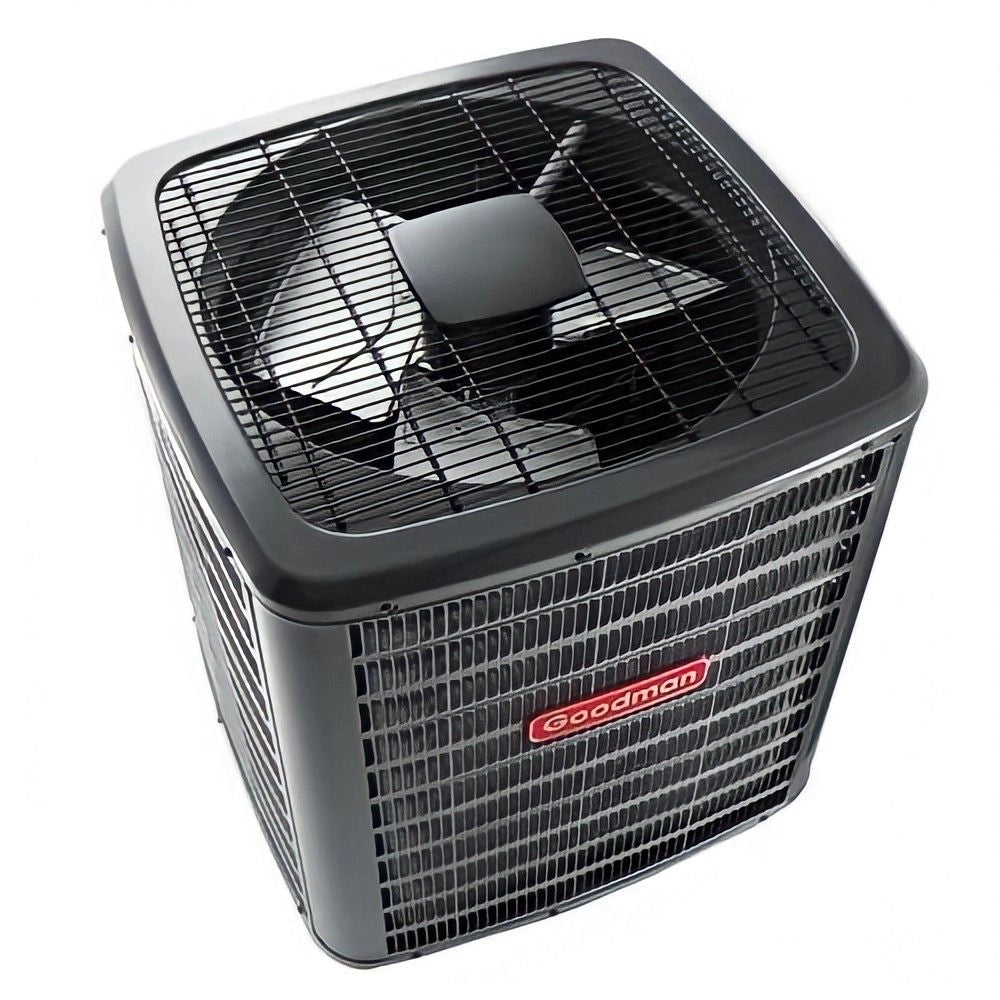
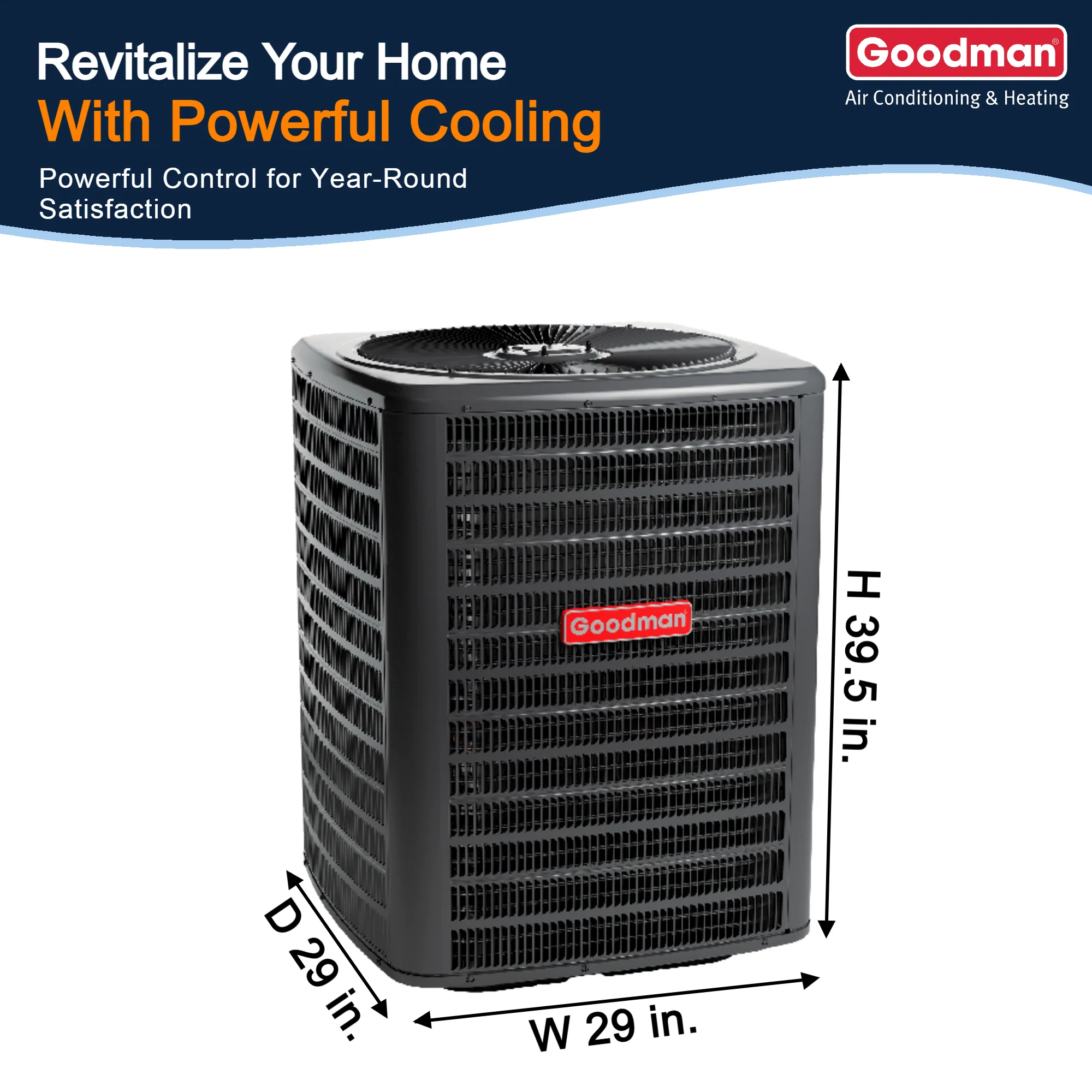
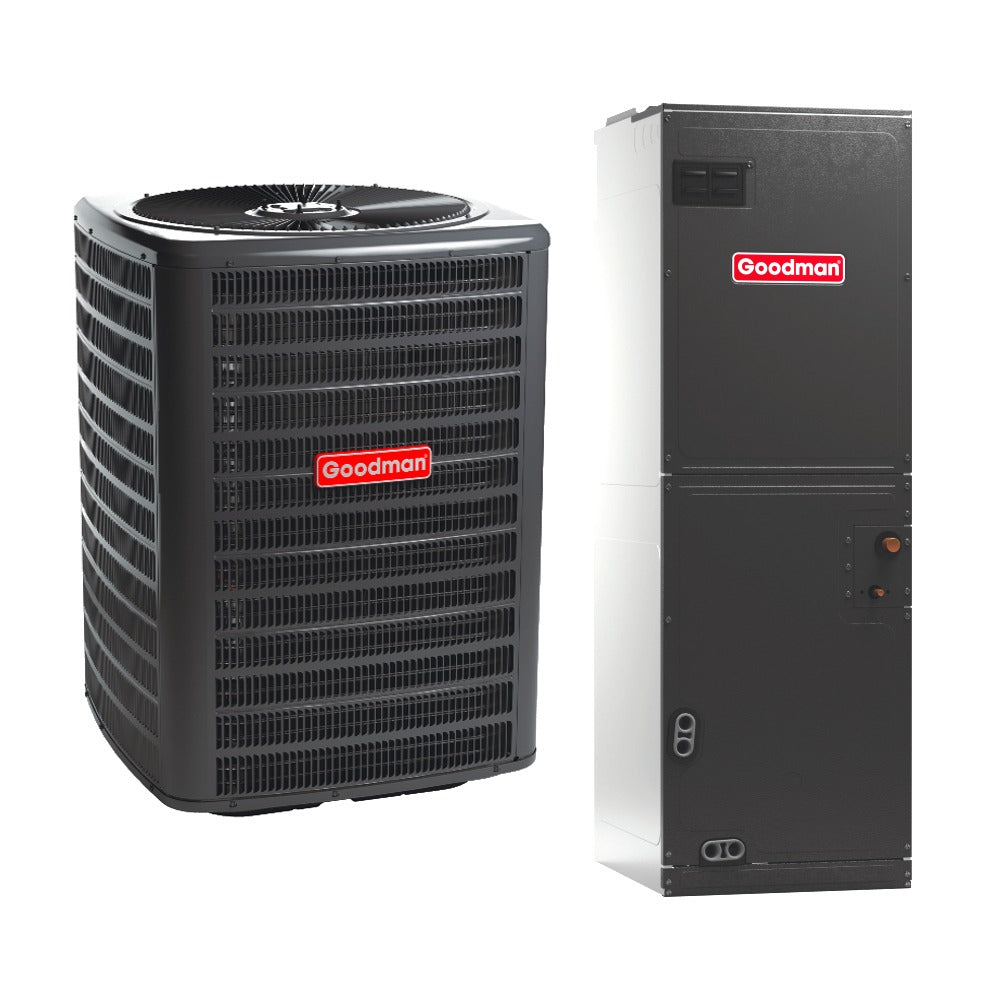
Today, I’ll guide you through everything you need to know about furnace systems, for sale gas furnace options, and how modern solutions like the Goodman 3-Ton 14.5 SEER2 R-32 Bundle integrate seamlessly with HVAC systems to provide both heating and cooling for your home.
Why Forced Hot Air Furnaces Are Popular
Forced hot air furnaces are the most common heating system in the U.S., and for good reason:
-
Quick heating – Delivers warm air rapidly through ductwork.
-
Versatile fuel options – Available in natural gas, propane, or electric models.
-
Easy integration – Works with central AC systems for year-round comfort.
-
Zoned heating – Can be combined with dampers or smart thermostats to heat only occupied areas.
When people ask me “where can I buy a furnace?” or “how do I choose a propane hot air furnace?”, I often emphasize evaluating fuel type, size, and efficiency before shopping purely by price.
Furnace Fuel Types Explained
1. Gas Furnaces
-
Natural gas furnaces are the most common choice.
-
Advantages: Fast heating, widely available fuel, cost-effective for colder climates.
-
Ideal for: Single-family homes, townhouses, and apartments with gas lines.
Keywords: furnace gas furnace, residential gas furnace, house heater gas, for sale gas furnace.
2. Propane Furnaces
-
Burns propane instead of natural gas.
-
Advantages: Great where natural gas is unavailable, similar efficiency to gas units.
-
Keywords: propane furnace forced air, propane hot air furnace.
3. Electric Furnaces
-
Uses electricity to heat air.
-
Advantages: Cleaner, easier to install, no combustion required.
-
Considerations: Higher operational cost in areas with expensive electricity.
Sizing Your Furnace
The most common mistake I see is selecting a furnace that’s too big or too small. Proper sizing ensures comfort, efficiency, and longevity.
-
Measure your home – Square footage, ceiling height, insulation, and climate all factor in.
-
Use BTU or tonnage calculations – Professionals often recommend 35–45 BTU per square foot for gas heating, but this varies.
-
Consider ductwork – Older homes may need duct evaluation or upgrades.
A properly sized furnace unit ensures your home is warm without wasting energy or creating drafts.
Furnace Features to Consider
When evaluating furnace systems, look at the following:
-
AFUE Rating (Annual Fuel Utilization Efficiency) – Measures efficiency; modern units range from 80% to over 98%.
-
Two-stage or modulating burners – Provide smoother heat and improved efficiency.
-
Compatibility with AC – Many homeowners pair their furnace with central AC or mini splits like the Goodman 3-Ton 14.5 SEER2 R-32 Bundle for combined heating and cooling.
-
Variable-speed blowers – Improve air circulation and reduce energy use.
Buying a Furnace: Where to Start
If you’re wondering “buy a furnace” or “furnace sale near me”, here are the best approaches:
-
Authorized HVAC dealers – Offer new furnace deals, installation, and warranty support.
-
Warehouse outlets – Sometimes stock discounted or certified refurbished units.
-
Local contractors – Can advise on proper sizing and installation.
-
Online certified retailers – Many now provide shipping and installation options.
When evaluating deals, make sure the unit matches your home’s fuel availability, square footage, and desired features.
Forced Air Gas Heating: Benefits and Considerations
Forced air gas heating delivers warm air through ductwork using a blower, providing several advantages:
-
Rapid warm-up – Unlike radiators or baseboard heating.
-
Compatibility with filtration systems – Improves indoor air quality.
-
Zoned heating capability – Smart thermostats can control multiple areas independently.
Considerations:
-
Duct maintenance – Leaks reduce efficiency.
-
Noise – Some units are louder than others.
-
Fuel supply – Gas or propane must be readily available.
Apartment and Residential Furnaces
Apartment furnace systems are often smaller or shared. Tips for renters:
-
Check with management before installation or replacement.
-
Understand energy usage responsibilities.
-
Residential gas furnace units typically include safety features like limit switches and automatic shutoff.
Integrating Heating and Cooling Systems
Modern homes benefit from a combined heating and cooling solution. For example:
-
A furnace for heating and cooling can be paired with a central AC system or a ductless mini split.
-
The Goodman 3-Ton 14.5 SEER2 R-32 Bundle pairs well with gas or propane furnaces to provide year-round comfort.
-
Proper integration ensures efficiency and eliminates the need for multiple, separate systems.
Tips for Finding Furnace Deals
-
Seasonal sales – Late spring and summer often offer clearance on heating systems.
-
Certified refurbished units – Sometimes available at lower cost with warranty coverage.
-
Local HVAC contractors – May have promotions or financing options.
-
Bundle systems – Buying furnace and AC together may reduce total cost.
Keywords: new furnace deals near me, furnace sale near me, for sale gas furnace.
Propane Hot Air Furnaces vs Gas Furnaces
Choosing between propane hot air furnace and natural gas depends on availability and cost:
-
Propane – Great for rural areas without gas lines, slightly higher fuel cost, but excellent efficiency.
-
Gas – Ideal for urban or suburban areas with existing gas infrastructure, typically lower cost per BTU.
Modern propane furnace forced air units are as efficient and reliable as their natural gas counterparts.
Safety Considerations for Gas and Propane Furnaces
Safety is crucial:
-
Ensure proper venting of combustion gases.
-
Annual inspection by a licensed technician.
-
Carbon monoxide detectors near sleeping areas.
-
Regular filter replacement to prevent overheating.
4 External Resources for Further Reading
-
U.S. Department of Energy – Furnace and Heating Tips → https://www.energy.gov
-
HVAC.com Furnace Buying Guide → https://www.hvac.com/furnace
-
Energy Star Furnace Ratings → https://www.energystar.gov/products/heating_cooling
-
ACCA Manual J & Sizing Guidelines → https://www.acca.org
Final Thoughts
Selecting the right forced hot air furnace, furnace system, or heating furnace involves evaluating your home’s size, fuel availability, efficiency needs, and compatibility with existing systems.
-
For apartments or small homes, a residential gas furnace or apartment furnace may suffice.
-
For larger homes, combining a high-efficiency furnace unit with a reliable central AC or mini split like the Goodman 3-Ton 14.5 SEER2 R-32 Bundle ensures year-round comfort.
-
Always balance upfront AC cost or furnace price with long-term efficiency and reliability.
By carefully comparing for sale gas furnace options, propane hot air furnaces, and modern high-efficiency units, homeowners can stay warm, save money, and enjoy a comfortable indoor environment no matter the season.