Every winter, I hear the same question dressed up in different ways. Sometimes it’s simple: how do heaters work? Other times it’s more specific: how does a heater work, how does an electric heater work, or how do room heaters work compared to a whole-house system?
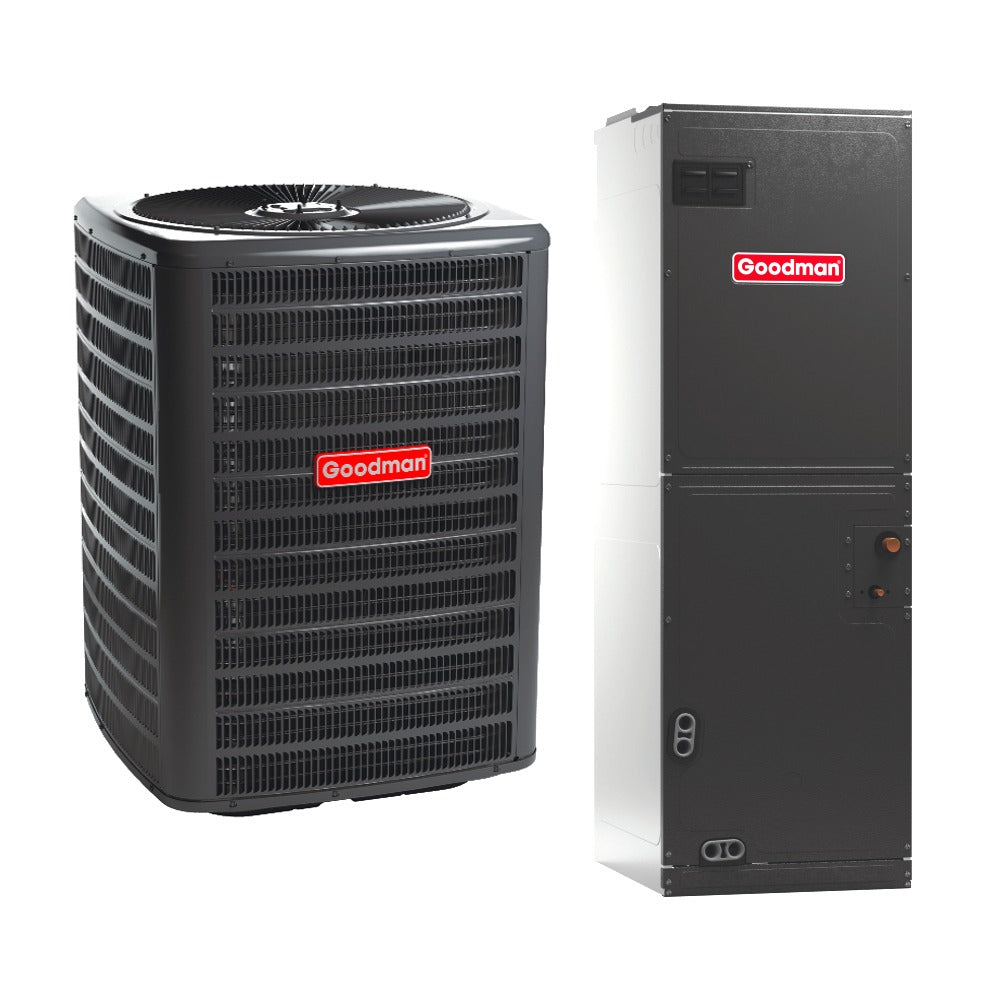
These aren’t academic questions. People ask them because something feels off. The house isn’t warming the way they expect. The air feels different than it used to. Or they’ve moved into a home with a system like the Goodman MBVK electric furnace and realized they don’t actually understand what’s happening when the thermostat clicks on.
So let’s fix that.
This isn’t a physics lecture. This is a practical explanation of the working of heater systems, using real equipment and real scenarios—so when your heater turns on, you know why it’s doing what it’s doing.
Why Understanding How Heaters Work Actually Matters
Most homeowners don’t think about their heating system until it doesn’t feel right. At that point, confusion kicks in.
I’ve had homeowners ask:
-
Why does the air feel warm but not hot?
-
Why does it take longer to heat than my old system?
-
Why does my electric heater feel different than gas?
-
Why does a portable heater feel hotter than my furnace vent?
All of those questions come back to the same root issue: people don’t really know how heaters work, so they don’t know what “normal” looks like.
Once you understand the basics, most of that stress disappears.
The Big Picture: What Every Heater Has in Common
No matter what type of heater we’re talking about—gas, electric, portable, or whole-house—the goal is the same:
-
Create heat
-
Move that heat into the space
-
Control it safely
That’s it.
The difference between systems isn’t what they do—it’s how they do it.
How Does a Heater Work at the Most Basic Level?
Let’s strip it down.
How does a heater work?
A heater takes energy (fuel or electricity), converts it into heat, and transfers that heat into the air or surfaces around it. The air warms up, circulates, and raises the temperature of the space.
That’s true whether you’re talking about:
-
A gas furnace
-
An electric furnace
-
A room heater
-
A portable heater
The details change, but the principle doesn’t.
How Do Electric Heaters Work?
Now let’s narrow the focus.
How do electric heaters work?
Electric heaters use resistance heating. When electricity flows through a resistant material, it heats up. That heat is then transferred to the surrounding air.
If you’ve ever used:
-
A toaster
-
An electric stove
-
A hair dryer
You already understand the concept.
Electric heaters don’t burn anything. There’s no flame. No exhaust. Just electricity doing work.
According to the U.S. Department of Energy, electric resistance heating converts nearly 100% of the electricity it uses into heat at the point of use, which is why the process is so straightforward.
How Does an Electric Heater Work in a Home Furnace?
This is where the Goodman MBVK electric furnace comes in.
The MBVK uses:
-
Electric heating elements
-
A variable-speed blower motor
-
Control boards and safety limits
Here’s the sequence:
-
The thermostat calls for heat
-
Electrical current flows to the heating elements
-
The elements heat up
-
The blower moves air across them
-
Warm air is delivered through ductwork
There’s no ignition cycle. No waiting for a flame. Heat begins almost immediately.
This is why people transitioning from gas often say electric heat “feels different.” It is different—but it’s not weaker or worse. It’s just controlled differently.
The Working of Heater Systems: Gas vs. Electric
Understanding the working of heater systems means understanding what’s happening behind the scenes.
Gas Heater Working (Briefly)
-
Fuel is burned
-
Heat exchanger warms up
-
Blower moves air across exchanger
-
Combustion gases are vented out
Electric Heater Working
-
Electricity heats elements directly
-
Blower moves air across elements
-
No combustion
-
No exhaust
Quality Heating and Cooling notes that electric heating systems eliminate combustion byproducts, which is one reason they’re common in newer, tighter homes.
Why Electric Heat Feels “Less Hot”
This is one of the most misunderstood aspects of electric heating.
Gas furnaces produce very hot air in short bursts. Electric furnaces like the Goodman MBVK produce moderately warm air for longer periods.
The total heat delivered to the home can be the same—or better—but the delivery feels different.
That’s not a flaw. That’s design.
How Do Room Heaters Work?
Now let’s zoom in.
How does a room heater work?
Room heaters are localized electric heaters designed to heat a small area rather than an entire house. Most use one of three methods:
-
Radiant heat
-
Convection heat
-
Fan-forced heat
They all rely on electric resistance heating, just like an electric furnace—but without ductwork.
How Do Room Heaters Work Compared to a Furnace?
How do room heaters work differently than a system like the MBVK?
Room heaters:
-
Heat the air directly in front of them
-
Create strong temperature gradients
-
Feel hotter because you’re close to the source
A furnace:
-
Distributes heat evenly
-
Maintains consistent temperature
-
Avoids hot and cold spots
That’s why a room heater can feel intense but still fail to warm an entire home effectively.
How Do Portable Heaters Work?
This question comes up a lot in winter.
How do portable heaters work?
Most portable heaters are electric resistance heaters with:
-
A heating element
-
A fan or radiant surface
-
A built-in thermostat
-
Safety tip-over switches
They draw a lot of power for the heat they produce and are best used for short-term, localized heating—not whole-house comfort.
The Consumer Product Safety Commission consistently warns that portable heaters should be used cautiously and never as a primary heating source.
Why Portable Heaters Feel Hotter Than Furnace Vents
This is purely about proximity.
When you stand near a portable heater, you’re inches from the heat source. When you stand near a furnace vent, that air has traveled through ductwork and mixed with room air.
Same physics. Different experience.
How Does a Room Heater Work vs. a Portable Heater?
People often use these terms interchangeably, but there’s a difference.
Room heaters are typically:
-
Installed
-
Hardwired
-
Designed for consistent use
Portable heaters are:
-
Plug-in
-
Temporary
-
Limited by outlet capacity
Both rely on electric resistance heating, but their intended use cases are completely different.
How Do Electric Heaters Work in Cold Weather?
Another common concern is performance.
Electric heaters don’t “struggle” in cold weather the way heat pumps can. Resistance heat works the same regardless of outdoor temperature.
That’s why systems like the Goodman MBVK are often paired with heat pumps—as backup heat for extreme conditions.
The Air Conditioning Contractors of America explains that electric furnaces provide reliable auxiliary heat when outdoor conditions reduce heat pump efficiency.
The Role of the Blower in Electric Heating
One of the most overlooked parts of the working of heater systems is airflow.
The MBVK uses a variable-speed ECM blower, which:
-
Adjusts airflow gradually
-
Improves comfort
-
Reduces noise
-
Enhances efficiency
The blower doesn’t just move air—it controls how heat is delivered.
That’s why airflow problems can make a heater seem weak even when the heating elements are working perfectly.
Why Understanding Heater Operation Prevents Bad Decisions
When homeowners don’t understand how do heaters work, they often:
-
Oversize portable heaters
-
Blame equipment that’s functioning normally
-
Chase problems that aren’t real
-
Ignore issues that are
Understanding how your system works helps you respond correctly when something feels off.
Common Myths About Electric Heating
Let’s clear a few up.
“Electric heaters don’t produce enough heat.”
They do. They just distribute it differently.
“Portable heaters are cheaper than furnaces.”
Not when used long-term.
“If air isn’t hot, the heater isn’t working.”
False. Consistent warm air is often better.
Why the Goodman MBVK Is a Good Teaching Tool
The Goodman MBVK is a great example because it shows electric heating done right:
-
Controlled
-
Safe
-
Integrated with modern systems
-
Designed for comfort, not spectacle
Once you understand how it works, electric heating stops being mysterious.
Final Thoughts from the Field
So, how do heaters work?
They convert energy into heat and move that heat into your space. The rest is details.
Whether you’re asking:
-
how does a heater work
-
how does an electric heater work
-
how do electric heaters work
-
how do room heaters work
-
how do portable heaters work
The answer always comes back to the same principles.
When you understand those principles, systems like the Goodman MBVK make sense. And when your heater turns on in the middle of winter, you won’t wonder what’s happening—you’ll know.
And that knowledge makes all the difference between frustration and confidence when it comes to keeping your home comfortable.