
Few things unsettle homeowners more quickly than switching on the heat and feeling what seems like a cold breeze coming from the vents. Whether someone describes it as a heater blowing cold air, a furnace blowing cold air, or asks in frustration, “why is my furnace blowing cold air?”, the concern is universal. Heating systems are expected to deliver warmth on demand, and when they don’t, anxiety sets in fast.
As someone who has spent years writing about HVAC equipment, installation standards, and real-world performance, I’ve learned that this issue is rarely as simple as it first appears. In fact, the perception of a heater blowing cool air can stem from multiple causes—some completely normal, others requiring professional attention. The distinction matters, especially when we’re talking about electric systems like the Goodman MBVK electric furnace, which operate very differently from traditional gas units.
In this article, we’ll take a deep, practical look at why heaters and furnaces blow cold air, how electric furnaces such as the Goodman MBVK fit into the conversation, and how homeowners can distinguish between normal operation and a genuine problem. Along the way, we’ll also address how these concerns compare to issues like a gas furnace blowing cold air, so you can better understand what’s happening in your own home.
Understanding the Goodman MBVK Electric Furnace
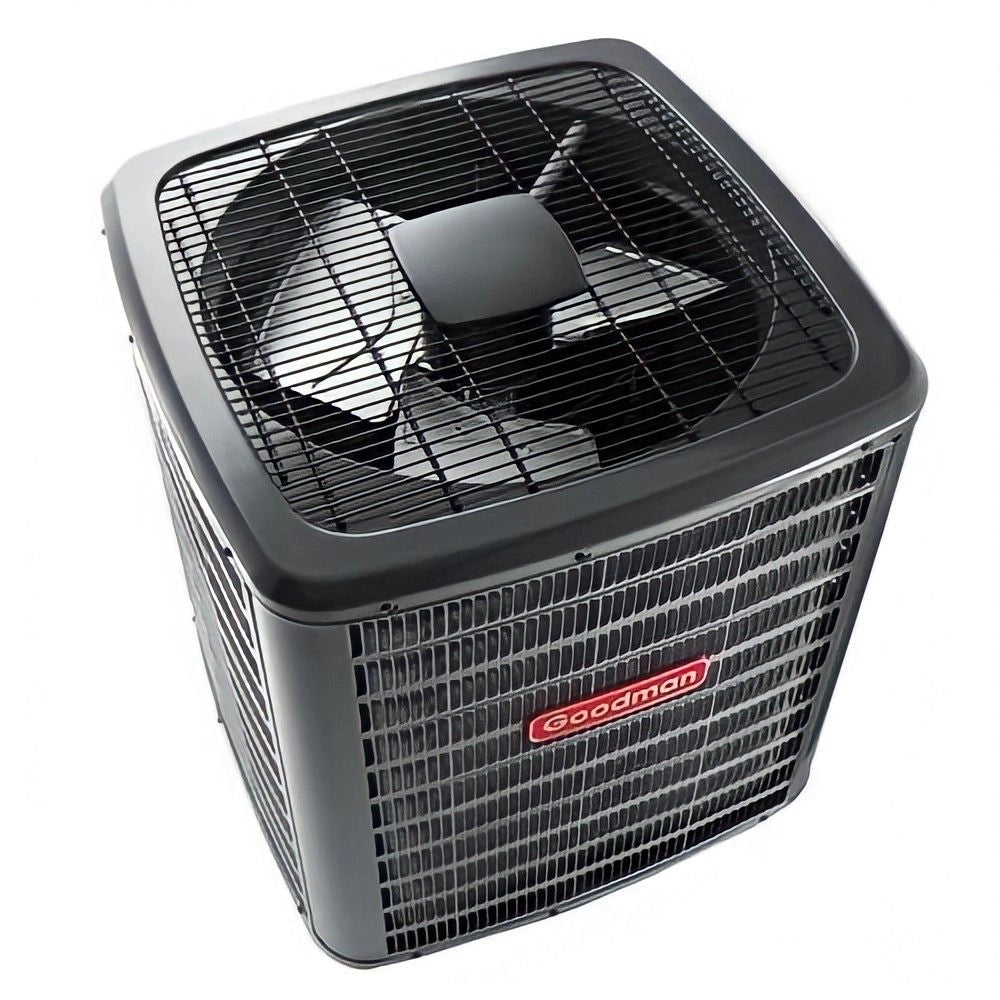
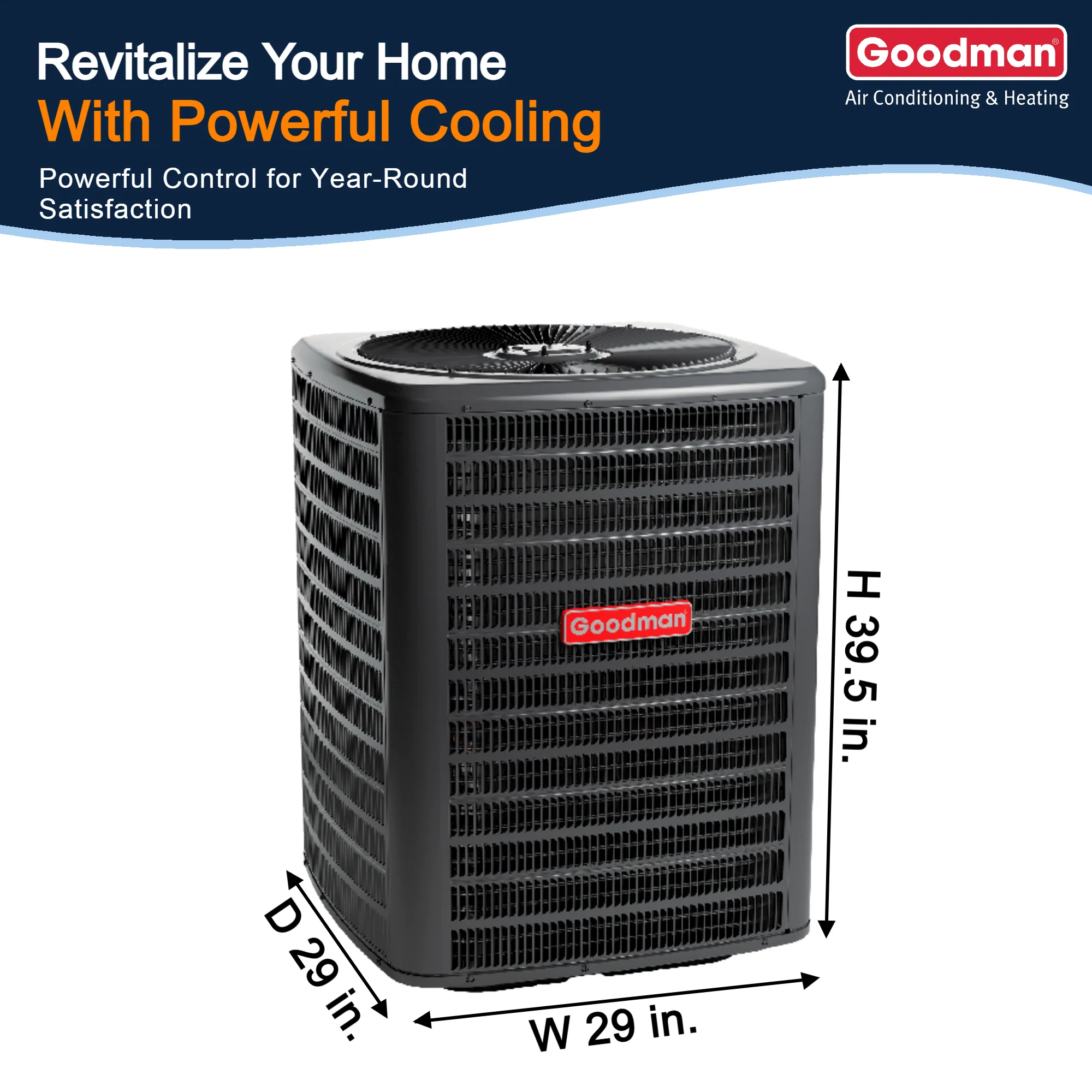
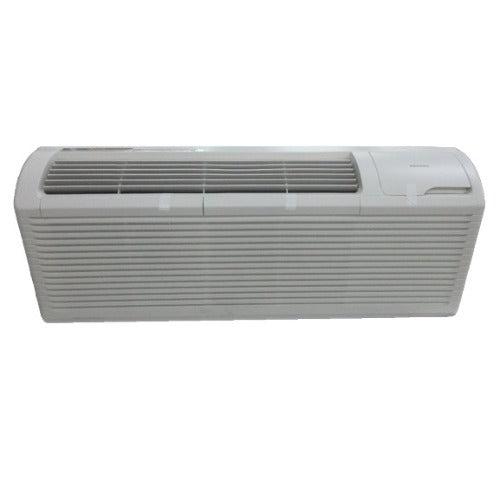
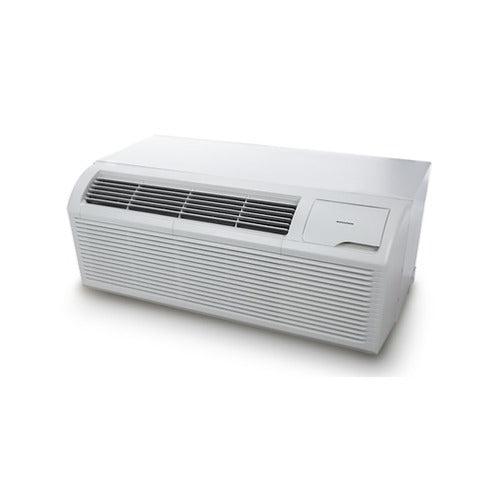
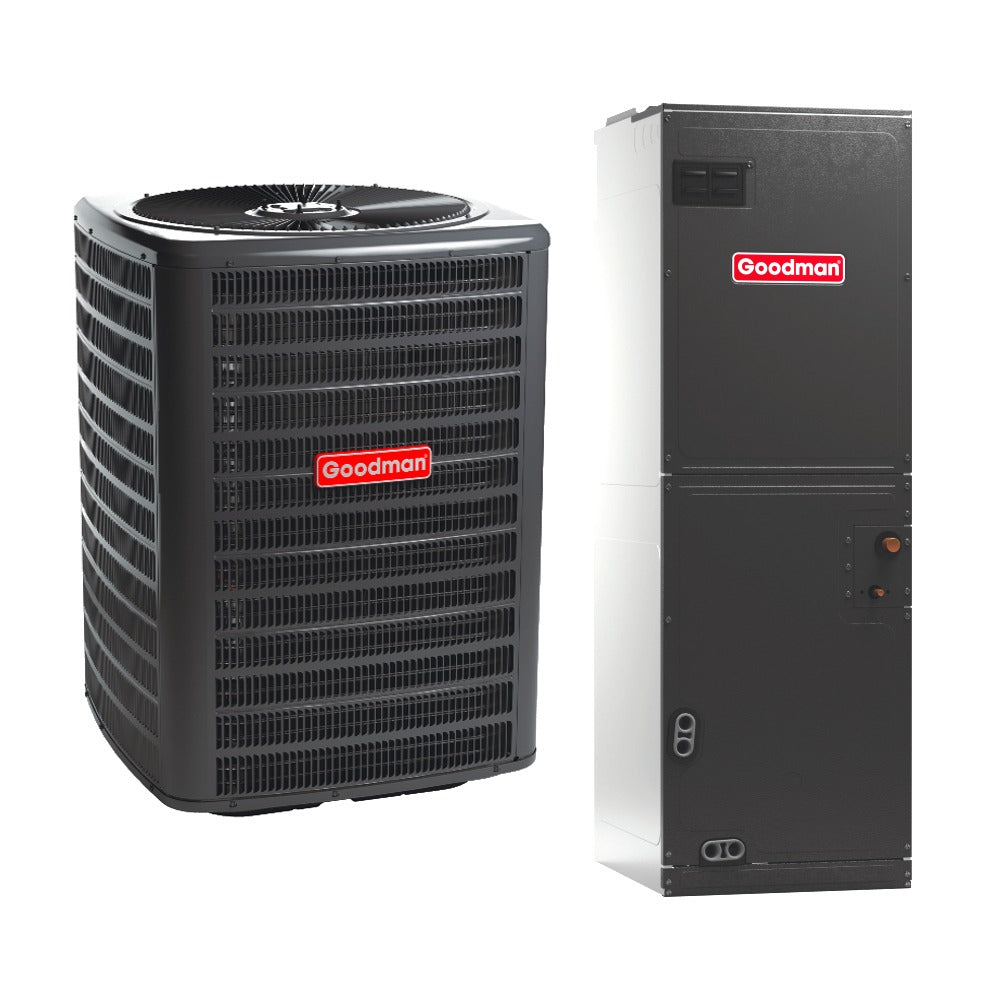
Before diving into cold-air complaints, it’s important to understand what the Goodman MBVK actually is. The MBVK is not a furnace in the traditional gas-burning sense. It is an electric air handler designed to work with electric heat kits, providing whole-home heating without combustion, burners, or fuel lines.
The MBVK platform is valued for its:
-
High airflow capability suitable for medium to large residential spaces
-
Multi-speed or variable-speed blower performance
-
Compatibility with a range of electric heat kits
-
Simpler mechanical design compared to combustion furnaces
Unlike gas furnaces, the MBVK does not ignite fuel or rely on a heat exchanger warmed by flames. Instead, heat is generated by electric resistance elements, and a powerful blower moves that warmed air through the duct system. This distinction is critical when diagnosing why a furnace or heater might be blowing cold air.
To understand how electric furnaces differ from gas furnaces at a system level, this technical overview comparing electric and gas heating technologies provides helpful background.
Why “Cold Air” Is Often a Perception Problem
One of the first things I explain to homeowners is that “cold air” is often relative. Air that feels cool may not actually be cold—it may simply be unheated or less warm than expected.
In a heating system, especially an electric one, there are moments when airflow occurs without active heat generation. This is not a malfunction. It is often part of normal operation.
For example, when a heating cycle ends, the blower frequently continues to run briefly. This is intentional. It allows the system to distribute residual heat and protect internal components. During this short window, the air coming from the vents may feel cooler, prompting comments like “my heater is blowing cold air.”
Understanding this normal behavior can prevent unnecessary service calls and anxiety. However, when cold or cool air persists for extended periods, further investigation is warranted.
Common Reasons a Heater Is Blowing Cold Air
Across both electric and gas systems, several root causes explain why homeowners experience a heater blowing cold air or a furnace blowing cold air. Let’s walk through them in order of frequency.
1. Thermostat Settings and Fan Configuration
One of the most overlooked reasons for a heater blowing cool air is the thermostat’s fan setting. When the fan is set to ON instead of AUTO, the blower runs continuously, even when the heating elements are not energized.
This causes room-temperature air to circulate through the vents, which feels cold compared to heated air. The homeowner then understandably asks, “why does my heater blow cold air?”
In systems like the Goodman MBVK, which rely heavily on blower performance, this effect can be especially noticeable.
A reliable explanation of how thermostat fan settings influence airflow can be found in this homeowner-friendly HVAC guide.
2. Dirty Air Filters and Restricted Airflow
Restricted airflow is a major contributor to heating complaints. When filters are clogged, airflow drops, internal temperatures rise, and safety controls may prevent heating elements from energizing. The blower may still run, resulting in unheated air moving through the home.
This scenario is common in both electric and gas systems and frequently leads to the belief that the furnace is blowing cold air instead of heat.
Electric furnaces like the Goodman MBVK rely on steady airflow to safely activate electric heat kits. When airflow is compromised, the system may deliberately withhold heat to prevent damage.
Routine filter replacement is one of the most effective ways to prevent this issue.
3. Normal Startup and Shutdown Behavior
Another situation often misinterpreted as a problem occurs during startup. When a system receives a call for heat, the blower may activate slightly before the heating elements reach full operating temperature. During that brief window, air may feel cool.
Similarly, at the end of a heating cycle, the blower continues to run after heat production stops. Again, air temperature drops, and homeowners may think the heater is blowing cold air.
This behavior is entirely normal and reflects efficient system design.
Electric Furnaces vs. Gas Furnaces: Cold Air Complaints Compared
While the symptom may feel the same, the underlying causes of cold air differ between electric and gas systems.
Gas Furnace Blowing Cold Air
When homeowners report a gas furnace blowing cold air, the issue is often related to:
-
Ignition failure
-
Pilot light issues
-
Flame sensor problems
-
Gas supply interruptions
-
Safety shutdowns due to overheating
In these cases, the blower may continue running even though the burners are not igniting, pushing unheated air through the ductwork.
This overview of common gas furnace cold-air causes provides a clear breakdown of these issues.
Electric Furnace Blowing Cold Air
Electric furnaces like the Goodman MBVK eliminate combustion entirely, which removes ignition and fuel-delivery issues from the equation. However, electric systems can still blow cold air due to:
-
Failed or partially failed heating elements
-
Electrical control issues
-
Sequencer or relay failures
-
Airflow restrictions
-
Thermostat misconfiguration
Because electric furnaces are simpler mechanically, diagnosing these issues is often more straightforward—but they still require proper testing.
Heating Elements and Their Role in Air Temperature
In an electric furnace, heating elements are the heart of heat production. These elements are essentially heavy-duty resistive coils that heat up when electricity flows through them.
Over time, elements can wear out or fail. When this happens:
-
Some elements may energize while others do not
-
The system may produce lukewarm air instead of hot air
-
The blower may operate normally, masking the failure
This partial-heat scenario is a frequent cause of complaints like “why is my furnace blowing cold air?” even though the system appears to be running.
Electric furnaces often stage heat in steps, so element failure can result in inconsistent heat delivery rather than a total shutdown.
Ductwork and Distribution Problems
Even when the Goodman MBVK is producing heat correctly, problems downstream can create the illusion of cold air.
Common duct-related issues include:
-
Leaky duct joints allowing heated air to escape
-
Poor insulation causing heat loss before air reaches living spaces
-
Long duct runs that cool air significantly
-
Closed or blocked supply registers
In these situations, homeowners feel cool air and assume the heater is malfunctioning, when the real issue lies in distribution.
The importance of duct integrity in heating performance is explained well in this HVAC airflow resource.
Why the Goodman MBVK Often Gets Blamed Unfairly
Electric furnaces tend to be misunderstood. Because they don’t produce the intense heat associated with gas flames, the air they deliver often feels “softer.” Homeowners transitioning from gas systems may interpret this as insufficient heating or cold air.
In reality, electric systems typically deliver lower-temperature air over longer cycles, which results in more even comfort but less dramatic temperature contrast at the vents.
This difference in heat delivery style is one of the most common reasons people think their heater is blowing cold air when it’s actually working as designed.
When Cold Air Really Does Mean a Problem
While many cold-air complaints are benign, there are times when professional service is necessary.
You should consider calling an HVAC professional if:
-
Cold air persists for more than 10–15 minutes during a heat call
-
Indoor temperatures drop despite continuous operation
-
Circuit breakers trip repeatedly
-
The system cycles on and off rapidly
-
You notice unusual noises or burning smells
In these cases, the issue may involve failed heating elements, electrical faults, or control board problems that require trained diagnosis.
Maintenance as the Best Defense Against Cold Air Complaints
Regular maintenance dramatically reduces the likelihood of a heater blowing cold air.
For Goodman MBVK systems, best practices include:
-
Replacing air filters regularly
-
Scheduling annual electrical inspections
-
Verifying thermostat calibration
-
Ensuring ductwork remains sealed and insulated
-
Monitoring airflow and blower performance
Proactive maintenance not only improves comfort but also extends system lifespan and efficiency.
Final Thoughts: Understanding Before Assuming
When homeowners ask “why does my heater blow cold air?” the answer is rarely simple—and almost never universal. With electric systems like the Goodman MBVK, understanding how airflow, heating elements, and controls interact is essential to accurate diagnosis.
In many cases, what feels like a furnace blowing cold air is actually normal operation, a minor airflow issue, or a thermostat setting oversight. In others, it’s a sign that professional attention is needed.
The key is education. When you understand how your heating system is designed to work, you’re far less likely to panic—and far more likely to resolve issues efficiently and safely.