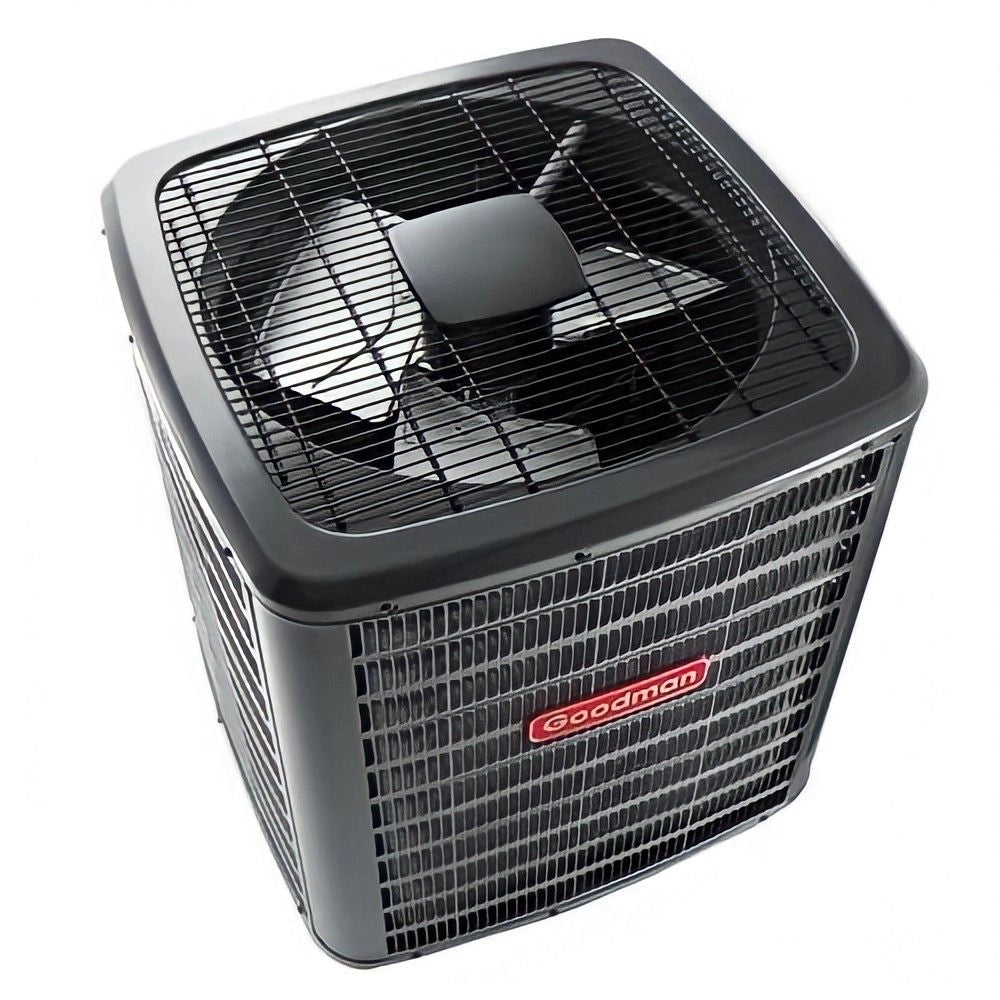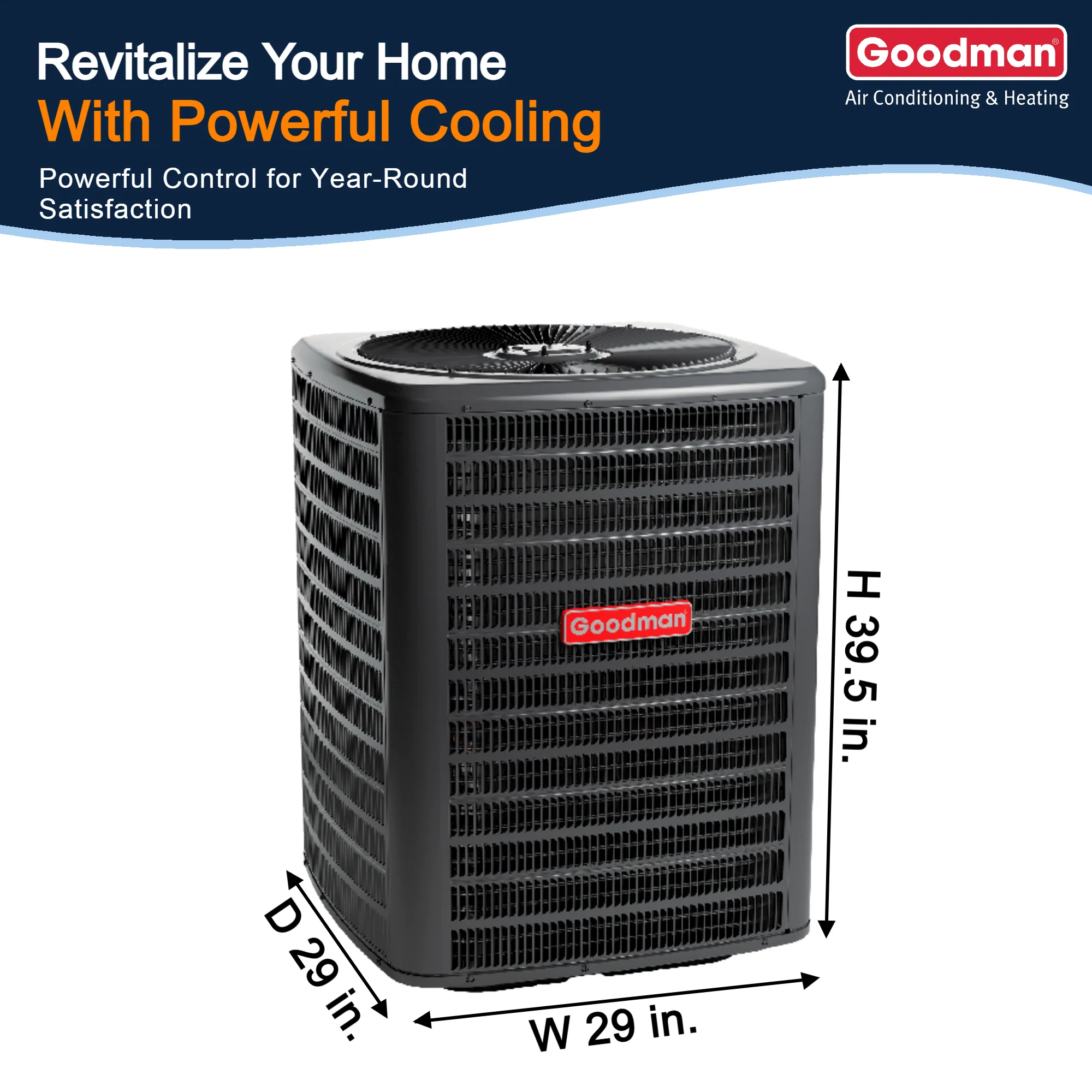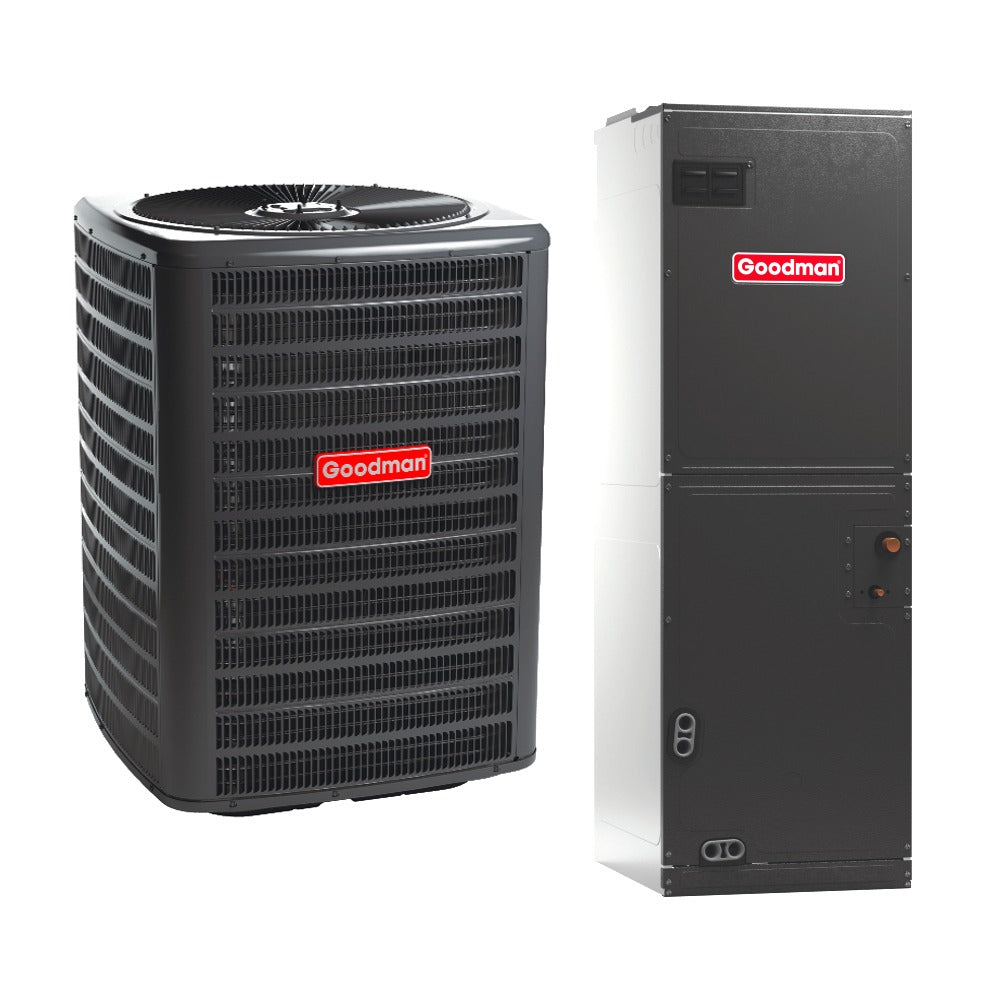

When it comes to dependable home comfort in all‑electric heating applications, few products offer the combination of raw performance, thoughtful design, and long‑term serviceability quite like the Goodman MBVK electric furnace. Over the years, I’ve reviewed countless HVAC systems — from single‑stage gas furnaces to multi‑tier heat pump solutions — and the MBVK continues to stand out among electric furnaces for its adaptability and solid engineering. Borrowing from hands‑on experience with service calls, manufacturer documentation, and countless homeowner conversations, this blog is both a technical guide and a field‑tested reference.
Here, we will cover electric furnace issues common to the MBVK line, discuss the electric furnace troubleshooting chart mindset you should adopt, and walk through real‑world electric furnace repair tactics that separate quick fixes from lasting solutions.
Introduction to the Goodman MBVK Electric Furnace
The Goodman MBVK series isn’t your average blower or heat kit: it’s a modular multi‑speed blower assembly capable of delivering robust airflow, typically paired with an electric heat kit sized to match your heating load. In practical terms, this means the MBVK system is the heart of an all‑electric HVAC installation, circulating conditioned air through existing ductwork without gas combustion or venting.
Key attributes that HVAC technicians and serious homeowners appreciate include:
-
High airflow capacity (often up to ~2000 CFM), making the MBVK suitable for medium‑to‑large residential homes.
-
Variable or multi‑speed blower control, which allows smoother comfort transitions and quieter operation than fixed‑speed units.
-
Compatibility with a variety of electric heat kits, allowing you to configure the system for the level of heat your climate demands.
In its ideal application, the MBVK unit functions as a matched blower paired with a dedicated electric heat kit, transforming grid power into comfortable, evenly distributed warmth — without the complexities and maintenance concerns that come with combustion units. (Goodman Manufacturing)
Why Electric Furnaces Like the MBVK Matter Now
Electric heating isn’t new, but it has recently moved out of niche applications and into mainstream residential HVAC planning. This is due to several converging trends:
-
Widespread gas infrastructure constraints in some regions.
-
Increasing homeowner preference for electrification and simplicity.
-
Consumer incentive programs and rebates favoring all‑electric systems.
For many homeowners, the concept of “furnace” evokes combustion burners and gas valves; electric furnaces like the MBVK break that mold entirely. (Department of Energy)
Understanding Electric Furnace Troubleshooting: A Systems Perspective
Before jumping into specific electric furnace problems, it’s essential to understand that the MBVK isn’t merely a standalone furnace — it’s a blend of mechanical, electrical, and control subsystems. Each subsystem — from the thermostat input to the blower motor and heat elements — must communicate correctly for smooth operation.
One valuable framework to adopt is the electric furnace troubleshooting chart approach. A typical chart outlines symptoms, possible causes, and solutions in a digestible, technician‑friendly manner — the sort of tool that helps differentiate between a bad thermostat signal and a faulty sequencer, for example. (Electric Furnace Troubleshooting Chart)
Below is a condensed, high‑level version of this mindset:
| Symptom | Probable Cause | Typical Fix |
|---|---|---|
| Furnace won’t run | No power or disconnect switch off | Restore power, check breakers |
| No or insufficient heat | Dirty filter or open element circuit | Replace filter, test elements |
| Furnace runs then shuts off | Overheat limit has tripped | Check airflow/blockages |
| Blower runs without heat | Motor control or element circuit | Inspect control board/sequencer |
| Continual breaker trips | Shorted element or overloaded motor | Test element continuity |
Think of this table as a troubleshooting “compass”: it doesn't replace model‑specific manuals, but it helps structure your diagnostic steps. To explore a full standalone version of a troubleshooting chart you can download and print, see this comprehensive electric furnace troubleshooting chart from a reputable HVAC training source.
Common Electric Furnace Issues With the Goodman MBVK
Even well‑built systems encounter performance challenges. Below are the most frequent electric furnace issues reported in the field, organized by symptom category and ranked by how often they present themselves.
1. Furnace Refuses to Turn On
This is arguably the most basic — yet most reported — complaint. When an MBVK unit doesn’t respond to a call for heat:
Likely causes:
-
Power issues: A tripped breaker, blown fuse, or switched‑off disconnect reduces or eliminates power to the blower and heat kit. Always verify that all circuit breakers feeding the MBVK and heat kits are ON.
-
Thermostat wiring problems: Low‑voltage thermostat wiring must deliver a clear “call for heat” signal. Loose or broken wires between R/C and W terminals can interrupt that signal entirely.
-
Safety interlocks: Most units have a door‑interlock switch that prevents operation if the service panel isn’t fully closed.
Diagnosis and Repair Tips:
-
Always confirm true power with a voltmeter at the disconnect and panel.
-
Check that thermostat batteries are fresh, and confirm correct heat call signaling on the control board.
-
Inspect the blower cabinet interlock and ensure the panel latches properly.
If these checks don’t restore operation, you may need to inspect transformers, relay boards, or sequencers — which brings us to the next common issue.
2. Elements Don’t Heat Even Though Blower Runs
A common field observation: the blower motor hums or circulates air, but there’s no warmth.
Typical causes:
-
Bad heating elements: Unlike gas burners, electric furnaces use resistive heat elements. Over time, these elements can fail due to thermal fatigue.
-
Sequencer failure: Sequencers control when elements are energized. A failed sequencer might power the blower but never switch elements on.
-
High‑limit trips: Restricted airflow due to dirty filters may trigger safety cutouts that disable heat to avoid overheating.
Common fixes:
-
Use a multimeter to test each heating element for continuity; replace any open circuits.
-
If limit switches are frequently tripping, prioritize airflow diagnostics before replacing parts.
This scenario is a perfect example of where structured troubleshooting — using the concept of an electric furnace troubleshooting chart — will save hours of trial‑and‑error.
3. Breaker Trips Repeatedly
Frequent breaker trips are not only frustrating, but they also indicate potentially hazardous conditions.
Primary culprits:
-
Short‑circuit in a heating element: Damaged coils can arc or short to the chamber frame.
-
Loose connections: High current through loose lugs generates heat and eventual trip conditions.
-
Blower motor overload: Bearing issues or impeded airflow can dramatically increase motor current draw.
Repair best practices:
-
Turn off power and inspect heat elements for visible damage or insulation breakdown.
-
Tighten and torque all high‑current connections to manufacturer specifications.
-
Evaluate the blower motor for signs of wear; if current draw is abnormal, a motor replacement may be necessary.
Breaker trips are often symptomatic of deeper electric furnace problems; never simply reset breakers until the root cause has been identified and resolved.
4. Weak or No Airflow Despite Blower Being Powered
Some homeowners describe the furnace as “running,” yet barely any air comes out of vents.
Why this happens:
-
Clogged or dirty air filters restrict airflow drastically.
-
Blower wheel issues: Imbalanced or dirty wheels produce low static pressure.
-
Incorrect blower speed settings: Multi‑speed blowers benefit from proper speed tap selection for duct size and layout.
Resolution steps:
-
Replace filters and ensure all registers are open and unobstructed.
-
Remove and service the blower wheel if significant buildup or imbalance is observed.
-
Confirm blower speed tap alignment with system design airflow requirements.
Pro tip: measure static pressure across return and supply plenums — that tells you more about airflow restrictions than blower speed alone.
5. Uneven or Insufficient Heat Throughout the Home
This broad category covers complaints about cold spots or prolonged heat recovery times.
Probable causes include:
-
Improper system sizing: If the electric heat kit is undersized relative to the home’s thermal load, comfort performance will suffer.
-
Duct design issues: Undersized ducts, collapsed flex runs, or poorly balanced systems will deliver uneven airflow.
-
Inadequate blower performance: Mismatches between blower capacity and ductwork restrict effective heat distribution.
Remedies:
-
Assess load calculations and heat kit capacity versus actual heating requirements.
-
Inspect ductwork for kinks, disconnections, or restrictions.
-
Balance registers to ensure even distribution.
A well‑designed electric furnace installation respects both heat output and airflow capacity — you need both to achieve consistent comfort. (HVAC.com)
Periodic Maintenance: A Preventive Strategy
A reliable system isn’t just about repair — it’s about preventive care. For MBVK units, basic maintenance can dramatically reduce electric furnace problems.
Recommended tasks include:
-
Filter replacement every 1–3 months, depending on use and indoor air quality.
-
Annual electrical and mechanical inspection by a certified HVAC technician.
-
Blower cleaning and lubrication where applicable.
Preventive service not only extends equipment life but also limits trips, failures, and avoidable service calls.
For a step‑by‑step maintenance checklist tailored to Goodman MBVK units, see this professional guidance on maintaining electric furnaces like this one.
When to Call for Professional Electric Furnace Repair
Even with an electric furnace troubleshooting chart in hand and sound diagnostic logic, some issues demand professional intervention:
-
Repeated breaker trips with no clear cause.
-
Short circuits within heat elements or control boards.
-
Complex control board or transformer failures.
-
Safety interlock or limit switch faults that cut power unexpectedly.
In these situations, licensed HVAC professionals have tools and experience that ensure the repair is safe, compliant, and durable.
Conclusion: Maximizing Performance and Minimizing Problems
The Goodman MBVK electric furnace represents a compelling choice for all‑electric heating applications — especially when paired with sound installation practices and proactive maintenance. Understanding electric furnace issues, using a structured electric furnace troubleshooting chart, and applying practical electric furnace repair techniques will keep your system performing reliably year after year.
Whether you’re diagnosing a blower that won’t stop, tracking down a short that trips breakers, or simply preparing your system for the heating season, a methodical approach is your best ally. Remember: consistent comfort is as much about preventive care as it is about responsive repair.