
If you’re shopping for a central air (or heat & air) system, you’ve probably heard brands like Goodman and Carrier. You’re also probably seeing all kinds of pricing numbers: “Carrier air conditioner cost price,” “carrier 3 ton ac unit price,” “carrier condenser 3T price,” etc. My goal here: dig into what those numbers actually mean, compare them against a value bundle like Goodman’s, and help you decide whether you’re paying a fair price (and for what). Think of this as me, Mark Callahan, walking through the decision with you so you’re not left scratching your head when you get the contractor’s quote.
The Goodman 3-Ton 14.5 SEER2 R-32 bundle: what it is, and why it matters
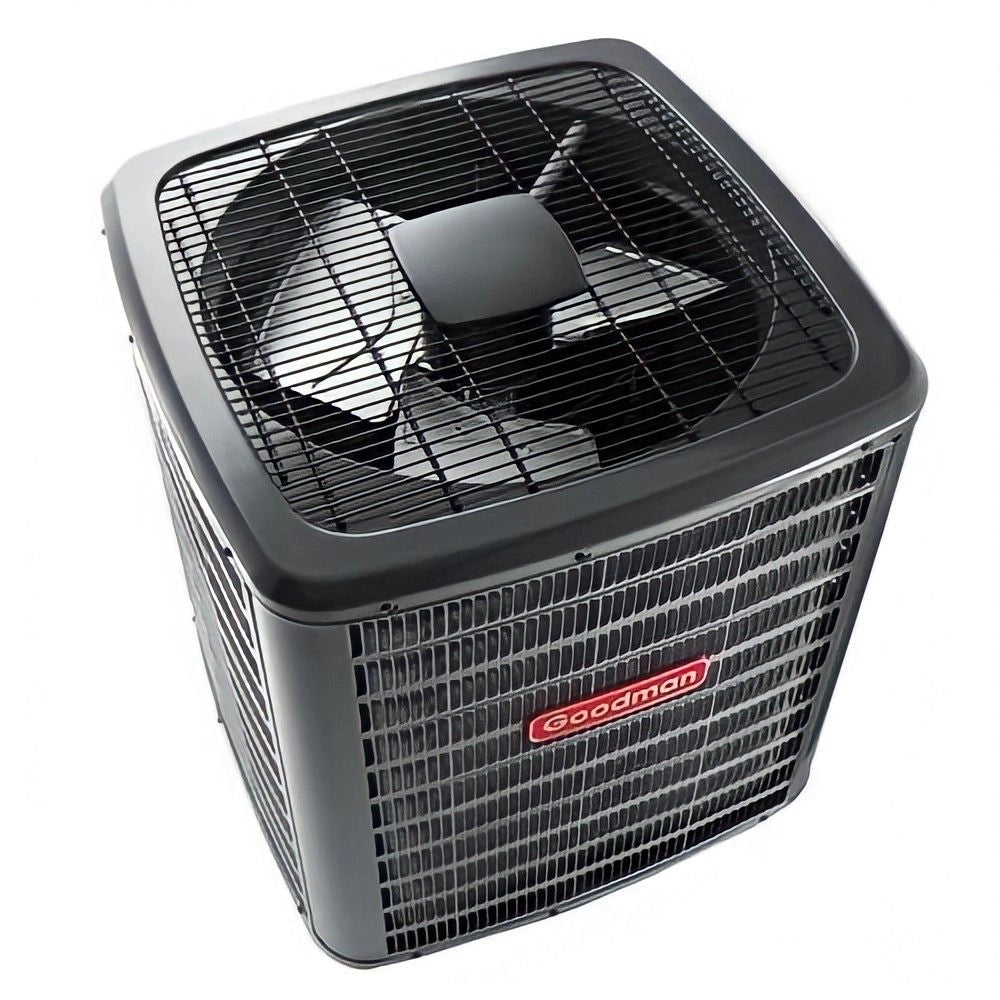
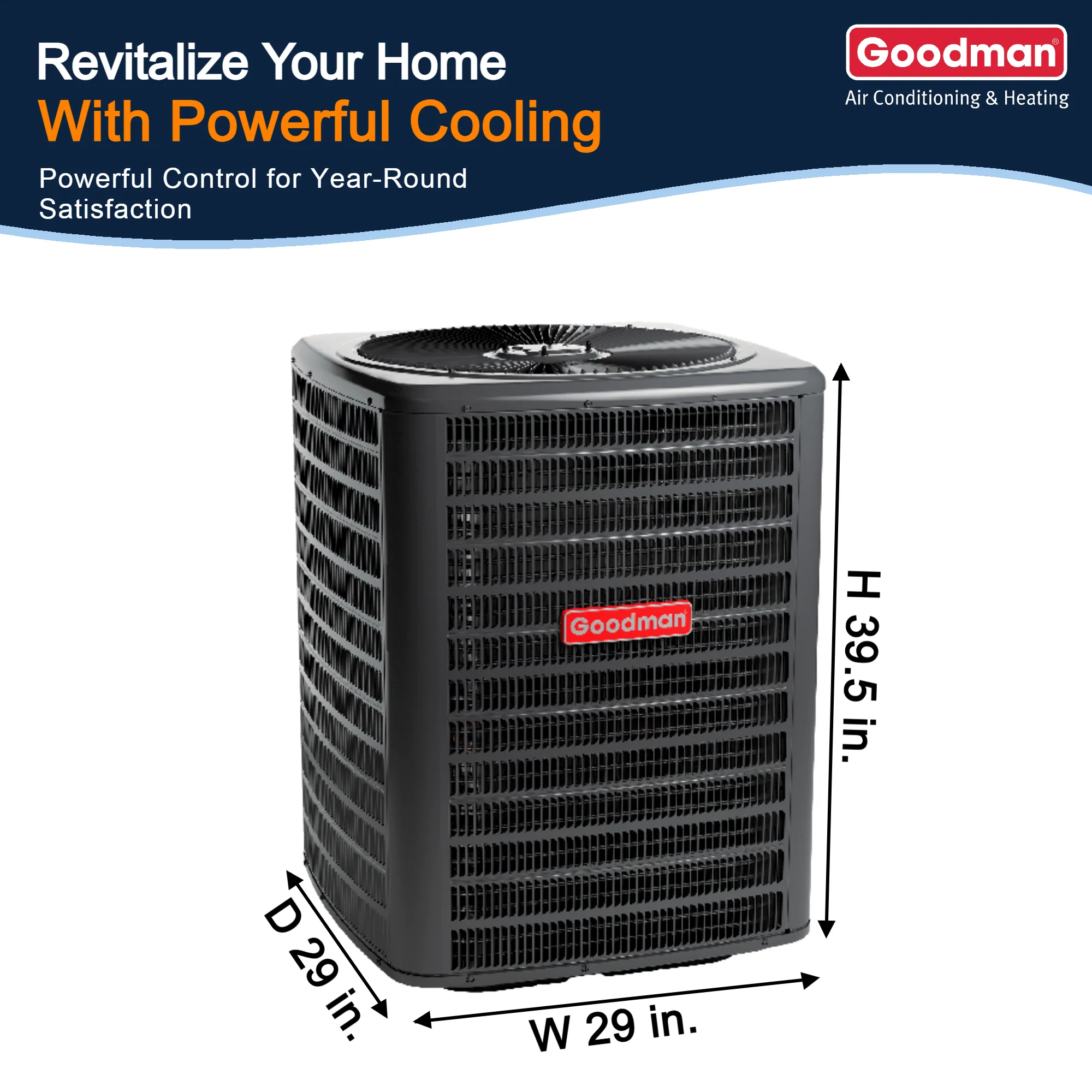
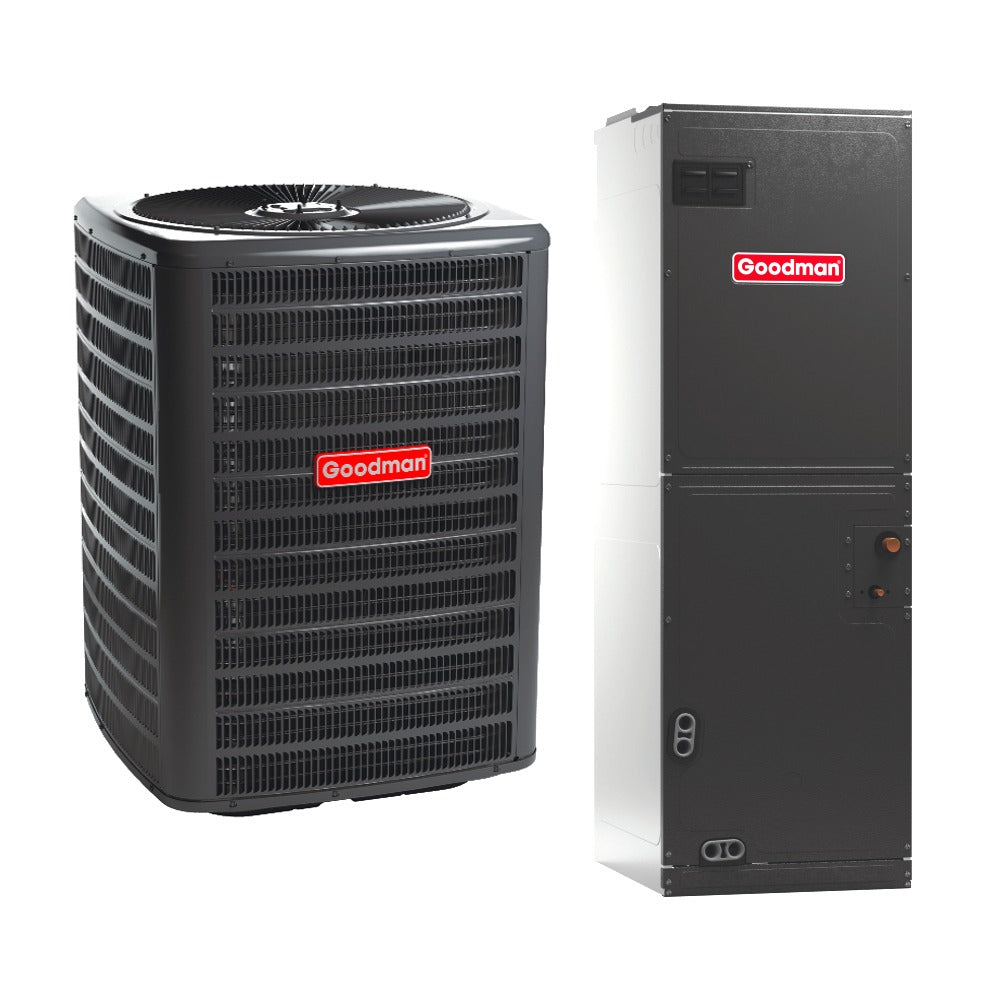
Before we dive into Carrier pricing, let’s ground ourselves in the Goodman bundle you’re looking at from The Furnace Outlet. In simple terms: this is a 3-ton (≈36,000 BTU/h) outdoor condenser matched with an indoor air-handler/coil (as specified by the product page) using modern R-32 refrigerant, rated at 14.5 SEER2. It’s positioned as a value system: modern refrigerant, decent efficiency, a trusted brand, and matched components.
Why that matters:
-
A properly sized system (3-ton for many mid-sized homes) will deliver comfort and efficiency better than just oversizing “because bigger is better.”
-
R-32 refrigerant is forward-looking (lower global warming potential) which means fewer future surprises.
-
Efficiency (14.5 SEER2) isn’t ultra premium, but it hits a sweet spot of value vs performance.
-
Because it’s a bundle, you often avoid mismatches (indoor/outdoor units that aren’t paired) which can cost you in lifespan or efficiency.
So if your home fits the size and layout for a 3-ton system (we’ll talk about what that means in terms of square footage later), this Goodman bundle is a smart baseline. The question then becomes: how does that baseline compare to what you’ll pay for a Carrier system (and, by extension, how much premium do you pay for the “Carrier name” or higher efficiency)?
“Carrier” pricing: what you’ll see and what those numbers mean
Now let’s get into the heart of the matter: you asked for a lot of keywords: carrier air conditioner cost price, carrier 3 ton ac unit price, carrier condenser 3T price, cost of carrier 3 ton air conditioner, carrier ac for sale, carrier 2 ton ac unit prices, where to buy carrier ac unit, carrier infinity price, carrier 24SCA5 price, carrier infinity cost, carrier air conditioner brands, cost of carrier infinity air conditioner, price of carrier infinity air conditioner, carrier 24SCA4 cost, puron ac units prices, 3 ton carrier condensing unit, aire acondicionado carrier 4 toneladas precio, carrier infinity system cost, carrier comfort 15 price, cost of new carrier furnace and air conditioner, 4 ton carrier condenser, carrier infinity 26 price. Lots of ground to cover—but I’ll pull out the patterns and help translate them.
What the published guides are saying
-
According to the manufacturer’s site for Carrier, central air conditioner installed costs typically range between $3,000 – $15,000 or more, depending on size, efficiency, extras, etc. (Carrier)
-
A breakdown by size from HomeGuide: a 3-ton Carrier AC (installed) runs around $5,000–$6,000 for many homes. (HomeGuide)
-
2-ton model: ~$3,500–$5,300
-
4-ton model: ~$6,000–$9,000
-
5-ton: $7,500–$15,000+ depending on efficiency.
-
-
Another guide: Carrier AC units (unit cost alone, not necessarily full install) quoted at ~$4,600–$8,000 for typical 3-4-ton size, with higher end for premium series. (Today's Homeowner)
-
A breakdown of cost by size/brand from Modernize: For a 2-ton Carrier system about $3,500–$6,000; for 3-ton about $6,000–$8,000; for 5-ton $8,500–$15,000+. (Modernize)
What “series” and “efficiency level” do to price
Carrier offers multiple product lines (Comfort, Performance, Infinity). The higher the series, the higher the price. For example:
-
The Comfort series (entry to mid tier) will cost less but have fewer advanced features.
-
The Infinity series (premium) uses variable-speed compressors, advanced controls, ultra-quiet operation → you pay more. HomeGuide shows Infinity models can cost $8,000+ installed for a standard size home.
So when you see keywords like “carrier infinity price” or “carrier 24SCA5 price” or “carrier 24SCA4 cost”
-
24SCA4 and 24SCA5 are model numbers in the Comfort/Performance line of Carrier outdoor units. The quoted internal average for a 3-ton of that line is ~$4,600–$5,600 for the unit alone.
-
If the system is a full install (outdoor + indoor + labor + permits + maybe ductwork) you’re likely in the $5,000–$8,000 range for a 3-ton occupant home in average conditions.
-
For premium Infinity variants (e.g., Infinity 26) you might see $8,000+ (unit alone) or potentially $10,000+ installed, depending on region and complexity.
What you actually pay depends on these variables
-
Tonnage (2-ton vs 3-ton vs 4-ton) → larger = higher cost
-
Efficiency (SEER/SEER2 rating) → higher = higher cost
-
Indoor unit quality + matching components → complete system cost higher
-
Region/labor cost/installation complexity → big swing
-
Condition of existing ductwork, whether you’re replacing ductwork, accessibility, etc.
-
Manufacturer brand + premium features → elevating cost
What to expect when you see “carrier 3 ton ac unit price” or “carrier condenser 3T price”
If a contractor is quoting you just the outside condenser (3-ton) and ignoring indoor unit/replacement coil/air handler/labor/ductwork, you may see a price in the ballpark of $4,000-$6,000 for the unit itself (depending on line and region), but full install will likely be more. Always ask: what is included.
What “carrier ac for sale” / “where to buy carrier ac unit” mean in practice
Carrier systems are sold through authorized dealers/installers—not simply big-box with DIY install (unless you have separate qualified contractor). You’ll find listings in places like big-box stores but they’ll still require professional install.
What about “cost of new carrier furnace and air conditioner”
If you’re replacing the whole heating & cooling system (furnace + AC outdoor + indoor coil/handler + labor + ducts), that total cost will be significantly higher than just the AC alone. Though I don’t have a specific national average for Carrier full furnace + AC combo, you should think in the $8,000–$15,000+ range for many homes depending on size & efficiency.
Putting it in context: the Goodman bundle vs what you might pay for Carrier
Let’s compare the Goodman value bundle you’re looking at vs what you might expect to pay for a Carrier system—and see where you land.
Scenario: Home size & system size
Assume you have a home in the 1,800–2,200 sq ft range, moderate insulation, typical ductwork (not terrible, not perfect). A 3-ton system (which the Goodman bundle is) is likely appropriate (though you always want a load calculation).
Cost for the Goodman bundle
Because it’s positioned as a “value” system, you’d expect upfront cost to be somewhat less than premium brands. If you get a quote with install + indoor unit + duct check + labor + permits, you might be in the range of, say, $8,000–$12,000 depending on region and job challenges. (This is illustrative—actual quotes vary.)
Cost for a comparable Carrier 3-ton system
Based on the published data:
-
Unit alone: maybe ~$4,600–$6,000 for “standard” line (Comfort series) for 3-ton size.
-
Installed fully (unit + indoor + labor + basic setup): ~$5,000–$6,000 is listed for some homes for a 3-ton Carrier.
-
Premium Infinity line for 3-ton size: $8,000+ (unit alone) or maybe $9,000–$10,000+ installed depending on region.
So you can see: the Carrier system costs more (especially if you go for premium series) than what you’d expect for a value bundle like Goodman’s.
What you’re paying extra for (or should expect) with Carrier
-
Brand premium: Carrier has a strong reputation, which can command higher pricing (for some homeowners worth it; for others maybe overkill).
-
Higher efficiency models (variable speed compressors, quieter operation) → higher price.
-
Longer warranties or better performance expectations in some cases.
-
Dealer support or installer network.
What Goodman gives you
-
A cost-effective system: good brand, modern refrigerant, acceptable efficiency.
-
Potentially lower upfront cost → better ROI in many scenarios if installation is solid.
-
Reliable performance if properly installed (and you handle ductwork/maintenance).
My verdict comparing the two for many homeowners
If your home fits the size (3-ton appropriate), your ducts are in decent shape, you’re focused on solid value rather than premium features, and you’re buying from a reputable installer, the Goodman 3-Ton 14.5 SEER2 R-32 bundle is a very strong choice.
If you seek the “Cadillac” features (whisper-quiet, ultra high efficiency, longest warranties) and you understand that you’re paying more, a Carrier Infinity line (or comparable) is worth considering. But you should ask: are those extra dollars adding commensurate value for your home, climate, utility rates, and how much time you plan to stay in the home?
How to evaluate your quote (so you don’t over-pay)
When you get a quote for either Goodman or Carrier (or any brand), here are the questions I always advise homeowners to ask.
1. What exactly is included?
-
Is the outdoor condenser unit included?
-
Is the indoor unit (air handler or coil + blower) included?
-
Are matching components being used (manufacturer says matched pairs)?
-
Does the pricing include removal/disposal of the old system?
-
Are permits/inspections included?
-
Is ductwork checked / modified / sealed? (If your ducts are old or compromised, that’s a major cost driver.)
2. What series/model am I getting?
-
For Carrier: is it Comfort, Performance, or Infinity line? What model number?
-
For Goodman: what exact model and specs?
-
What is the SEER/SEER2 rating? What refrigerant is used (R-32 vs older)?
Knowing this tells you if you’re comparing apples to apples. Two “3-ton” systems are not equal if one is 16 SEER and one is 24 SEER.
3. What is the breakdown cost per ton or per square foot?
-
Ask: for a 3-ton system, what is the cost per ton (cost ÷ 3)?
-
Or cost per square foot of home covered (if known).
This helps compare across quotes and brand differences.
4. What is the condition of my duct system and what’s the extra cost for ductwork?
Old, leaky, undersized, or poorly laid ducts add considerable cost and reduce system efficiency. If your ducts need major work, that can shift your cost from moderate to high.
5. Are the installer’s credentials and warranties solid?
-
Are they authorized for the brand (Carrier or Goodman) they’re selling?
-
What are the parts and compressor warranties?
-
Is annual maintenance recommended and priced?
6. What are the long-term operating cost/efficiency implications?
-
A less efficient (lower SEER) system may cost less upfront, but higher utility bills.
-
A higher efficiency system costs more upfront, but may save money over time.
Ask: given my climate and utility rate, how long will it take to recoup the extra cost in energy savings?
My step-by-step decision guide (Mark Callahan style)
Here’s how I’d walk you through deciding between Goodman bundle vs Carrier (or another premium brand) if I were standing in your living room with clipboard in hand.
-
Calculate your home’s cooling/heating load: Don’t just assume 3-ton fits. Get or ask for a Manual J (or equivalent) load estimate to determine what size your home really requires. If that number comes out ~3-ton, fine—makes the Goodman bundle fit nicely. If it says you need 2.5-ton or 4-ton, adjust accordingly.
-
Inspect duct condition: If your ducts are old/leaky/undersized, that’s first order cost. If you need major ductwork, the installer may quote you higher cost which changes your value equation.
-
Get detailed quotes for both options:
-
Quote A: Goodman 3-Ton 14.5 SEER2 R-32 bundle + install + duct check.
-
Quote B: Carrier brand (choose a model: e.g., Comfort 24SCA4/24SCA5 line or higher Performance/Infinity line) + install + same duct check.
For each, ask for full breakdown: equipment cost, labor/permit cost, duct upgrade cost, disposal cost.
-
-
Compare cost per ton and cost per square foot: Divide each quote’s total cost by tonnage (e.g., cost ÷ 3) and by square footage (if you know how many sq ft the system will serve). This helps you compare quotes side-by-side.
-
Evaluate the efficiency/feature premium: If the Carrier quote is significantly higher, ask: what am I getting for that premium? Quietness, variable-speed compressor, longer warranty, ultra high SEER? Will I use those benefits? If you live in a moderate climate and don’t care about ultra-quiet or variable speed, maybe the Goodman bundle already gives excellent value.
-
Consider long-term operating cost: If the Carrier system is say $2,000 more upfront, how much will you save each year in utility bills? If savings are $150/year, payback is ~13 years—not great if you move in 5–7 years. If savings are $300/year or more, payback may be acceptable.
-
Ask about rebates/incentives: Do local utilities or tax credits apply if you install a high-efficiency Carrier or alternate refrigerant system? That can shift your cost-equation.
-
Decide based on your priorities and horizon: If your priority is maximum comfort, lowest noise, highest efficiency and you plan to stay long term, the Carrier may be worth it. If your priority is value, good reliability, modern refrigerant, solid efficiency but modest upfront cost, the Goodman bundle may be the smarter financial play.
What I would tell you if I were doing this job (and you asked me)
As your trusted tech (Mark Callahan voice here):
-
“Don’t pay extra for brand if the extra features won’t matter to you. A well-installed Goodman system will keep you comfortable for years.
-
But also: don’t go cheap on install or ductwork. Brand means nearly nothing if your install is sloppy or your ducts leak like a sieve.
-
When you get your two quotes (Goodman vs Carrier), insist they show you exactly what you’re getting and exactly what you’re paying. If the Carrier quote is $2,000 more, ask: what am I getting for that $2,000?
-
Remember: your real cost is not just what you pay upfront—it’s what you’ll live with for 10-15 years (comfort, reliability, utility bills, repairs).
-
If I were you, and your ducts are decent, your home size fits a 3-ton system, and you’re not in extreme climate, I’d probably lean toward the Goodman 3-Ton 14.5 SEER2 R-32 bundle and use the savings to maybe schedule annual maintenance or set aside a “future upgrade” fund. But if you’ve got the extra budget, love ultra quiet/variable speed, and plan to stay long term, the Carrier premium could be justified.
-
One final piece: ask your installer what warranty is being offered and what conditions apply (registration, maintenance schedule, etc.). And always check: “Is the system truly matched? Indoor & outdoor.” Don’t let mismatched parts sneak in because that can bite you long term.
Frequently asked questions (FAQ)
Q: What exactly is “carrier 3 ton ac unit price”?
A: It depends on model series, efficiency, region, labor etc. According to HomeGuide the installed cost for a 3-ton Carrier AC is about $5,000–$6,000 in typical conditions. If you’re buying just the unit (not including install) the price might be lower—but you must account for indoor unit, labor, disposal, permits.
Q: What about “carrier condenser 3T price”?
A: That refers specifically to the outdoor condensing unit of a 3-ton system, likely not including indoor unit, coils, labor. A rough ballpark (unit only) may be $4,000-$6,000 for a standard model, depending on series. But you’ll need to ask your installer for that breakdown.
Q: What’s “carrier infinity price” or “carrier infinity 26 price”?
A: These refer to Carrier’s premium series (Infinity). According to one cost guide, Infinity models (24 SEER2 and up) can cost ~$8,000 unit alone for a mid-size home, and maybe $9,000+ installed.
Q: What’s “carrier comfort 15 price”?
A: That’s a model in Carrier’s more budget-friendly Comfort series. Guide says a 3-ton unit in that line might cost ~$4,600 unit alone.
Q: What is “carrier air conditioner brands” or “cost of carrier infinity air conditioner”?
A: Carrier is one of the major HVAC brands (alongside Trane, Lennox, Goodman, etc). Its pricing tends to run higher than budget brands like Goodman, but lower or comparable to the very highest tier premium brands depending on model. According to HomeGuide: Carrier’s range is ~$3,000–$15,000 installed across models.
Q: How should I compare a Carrier quote to the Goodman bundle?
A: Use the same sizing (3-ton or whatever your load calls for), ask for full breakdown (unit, indoor, labor, ductwork), and compare installed costs. Don’t just compare “brand name vs brand name” without checking what’s included.
Final word (and recommendation)
If I wrap all of this up in one piece of advice: make your decision based on value, not brand name alone. A brand like Carrier will cost more—perhaps significantly more—than a value bundle like the Goodman 3-Ton 14.5 SEER2 R-32 system. But that extra cost may or may not be justified by your home size, usage, climate, how long you plan to stay, how good your ducts are, and your noise/feature expectations.
For many homeowners, the Goodman bundle is a very good choice: modern refrigerant, decent efficiency, matched components, and excellent value. If I were asking myself: “Mark, what would you do for your 2,000 sq ft home with good ducts in a moderate climate?” I’d probably go Goodman, save some money upfront, ensure a high-quality install, and invest the difference in maintenance and maybe a better thermostat or zoning later.
If, on the other hand, I had a larger home, I lived in an extreme climate, wanted ultra quiet, highest efficiency, and planned to stay 20+ years, then paying the Carrier premium might make sense.
In either case: get multiple quotes, ask the right questions, demand full breakdowns, and don’t let “Carrier” or “Goodman” alone drive your decision. It’s the system installed right that delivers comfort, efficiency, and long-term value.