
When it comes to home comfort, the HVAC system is the heart of your living environment. But for homeowners looking to balance performance, reliability, and cost, the challenge is finding the best price HVAC system — one that delivers both comfort and efficiency without breaking the bank. In this guide, we’ll explore what makes an HVAC system affordable, the factors that influence pricing, and strategies to find the most affordable HVAC system that still meets modern standards.
Why Price Alone Doesn’t Define the Best HVAC System
Many homeowners begin their search focusing solely on cost. While a low price tag is attractive, an HVAC system’s true value is measured over years of operation. The “best price” is not necessarily the cheapest upfront — it’s the combination of initial cost, energy efficiency, durability, and maintenance.
Key factors affecting HVAC value:
-
System Efficiency: Measured by SEER (Seasonal Energy Efficiency Ratio) for cooling and AFUE or HSPF for heating. Higher efficiency may cost more upfront but saves money on energy bills.
-
Installation Quality: Even the most affordable HVAC system will underperform if poorly installed. Proper sizing, ductwork, and refrigerant charge are essential.
-
Maintenance Requirements: Systems that require frequent service may have lower upfront costs but higher lifetime costs.
-
Warranty and Brand Reputation: Affordable systems from reputable brands often come with warranties that protect your investment.
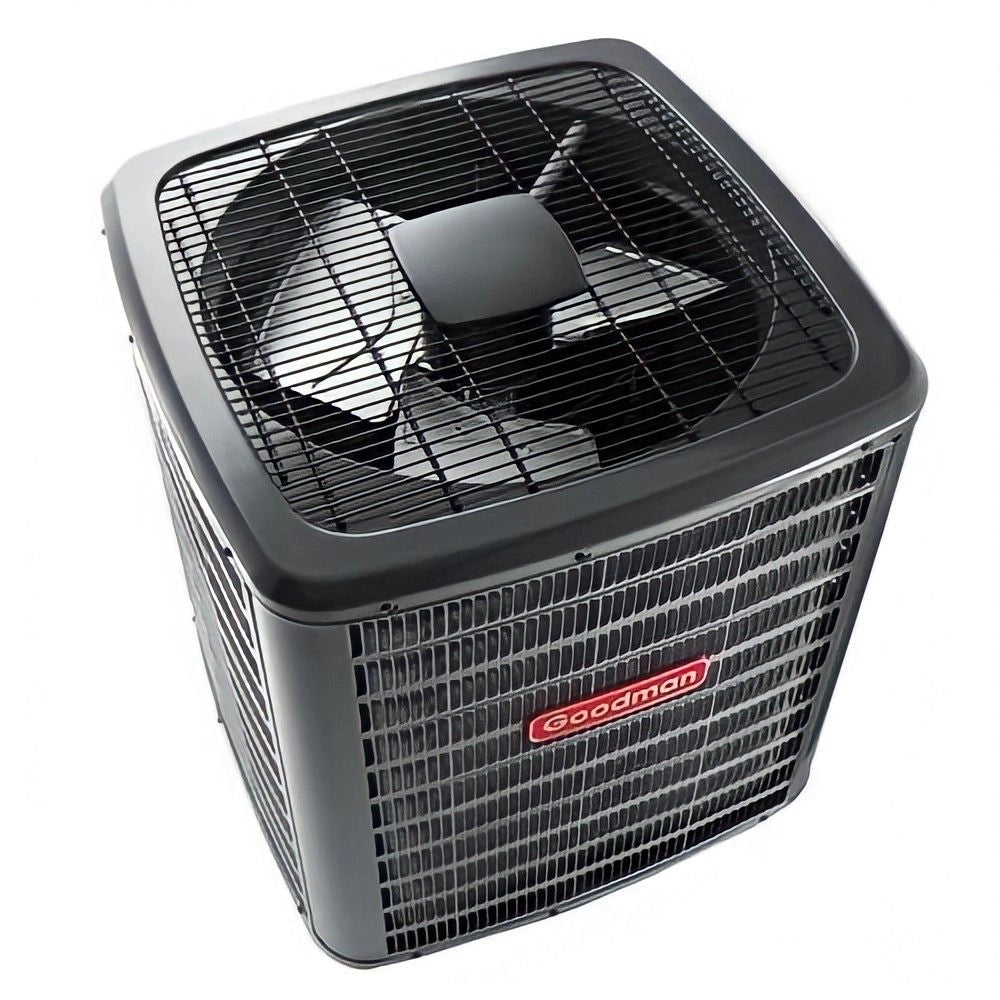
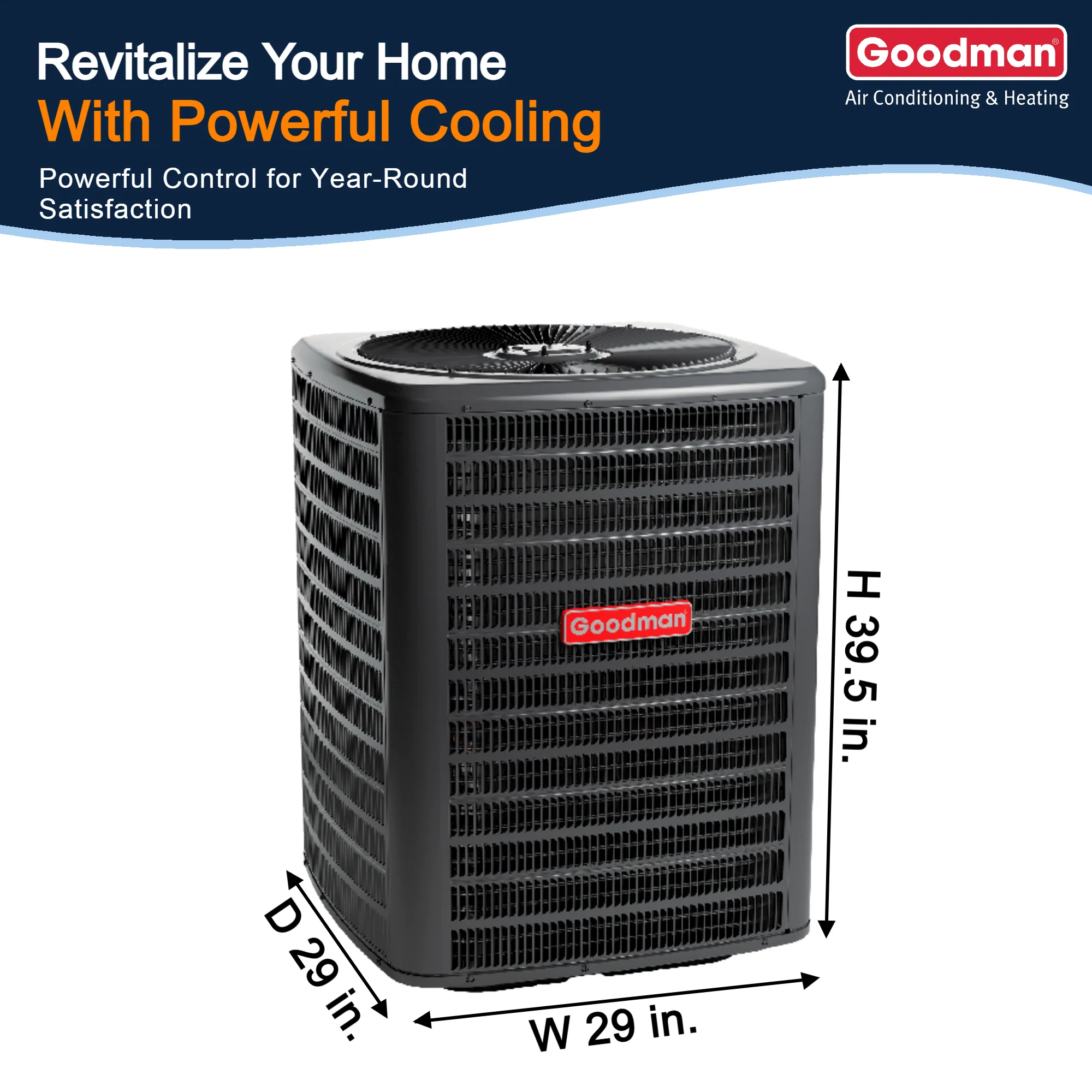
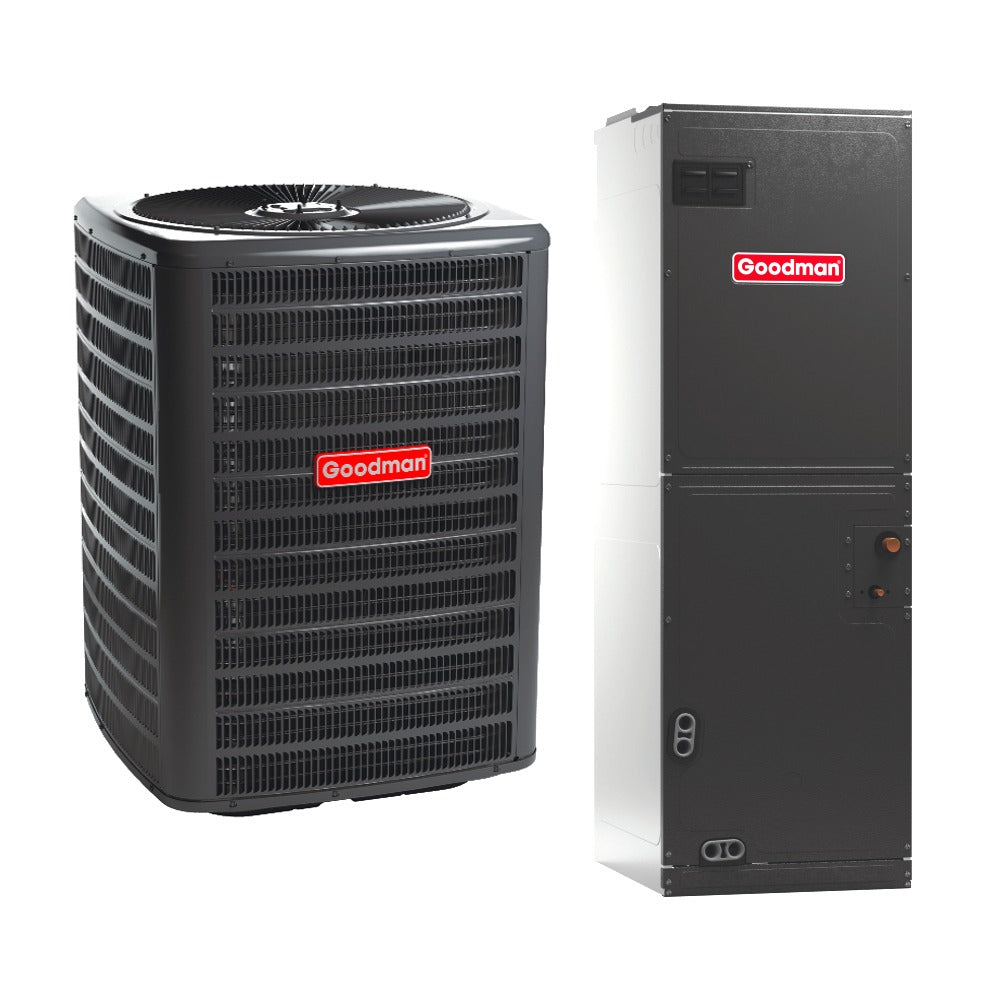
The Goodman 3-Ton 14.5 SEER2 R32 bundle on our pillar page is a great example of a system that balances affordable pricing with modern efficiency, giving homeowners confidence in both performance and value.
Understanding the Costs of an HVAC System
When evaluating the best price HVAC, it’s essential to understand the total cost components:
-
Equipment Cost: The upfront price of the unit itself. Central systems, heat pumps, and mini-splits vary widely.
-
Installation Cost: Labor, ductwork, refrigerant lines, and other materials can be as much as 50–70% of the total project.
-
Operating Costs: Energy consumption, maintenance, and potential repairs. Systems with higher SEER ratings generally have lower monthly costs.
-
Long-Term Value: Longevity, reliability, and warranty coverage factor into the true cost of ownership.
A system like the Goodman 3-Ton bundle is often cited as a best value HVAC system because it provides a balance between upfront affordability and long-term efficiency.
For a breakdown of HVAC costs and energy efficiency benefits, the Department of Energy provides detailed guidance on system selection.
👉 (Source: DOE – Energy Efficient HVAC)
Tips for Finding the Most Affordable HVAC System
1. Prioritize Proper Sizing
A common mistake in HVAC selection is oversizing. Larger units don’t cool faster; they short-cycle, reducing efficiency and comfort while increasing energy bills. Proper sizing, often determined by a Manual J load calculation, ensures the system operates efficiently.
2. Compare SEER Ratings for Value
SEER ratings indicate cooling efficiency. While higher SEER units cost more upfront, they deliver substantial energy savings over time. For homeowners seeking the best price HVAC, balancing SEER with cost is key. A mid-range SEER (14–16) often provides the most affordable combination of purchase price and operational savings.
3. Look for Rebates and Incentives
Utility companies and local governments often provide incentives for installing high-efficiency systems. These programs can reduce the effective cost of the most affordable HVAC system, making energy-efficient options more accessible.
4. Choose Reliable Brands
Investing in a reputable brand can save money in the long run. Reliable systems require fewer repairs, have longer lifespans, and often come with better warranties. Goodman, for instance, is known for producing high-quality HVAC units at competitive prices, making them a go-to for homeowners seeking the best value.
Modern HVAC Systems: Affordable Doesn’t Mean Outdated
Many homeowners associate affordability with outdated technology, but modern HVAC systems combine efficiency, smart controls, and reliability at competitive prices.
Features often included in cost-effective modern HVAC systems:
-
High-efficiency compressors: Improve energy use without raising the upfront cost significantly.
-
Variable-speed blower motors: Provide consistent temperatures and improved comfort.
-
Smart thermostats compatibility: Optimize energy usage and allow remote control.
-
Environmentally friendly refrigerants: Modern systems like the Goodman bundle use R32, reducing environmental impact.
By investing in a modern AC unit or heat pump with these features, homeowners get long-term savings and comfort without paying premium prices for luxury models.
For an overview of modern, energy-efficient HVAC technology, the Air-Conditioning, Heating, and Refrigeration Institute (AHRI) provides detailed guidance.
👉 (Source: AHRI – HVAC Technology)
Evaluating Central Air, Heat Pumps, and Bundled Systems
1. Central Air Conditioning
Central AC units provide consistent, whole-house cooling. For homeowners looking for the most affordable HVAC system, central systems often provide the best cost per square foot when cooling larger homes.
-
Pros: Whole-house coverage, quieter operation, long lifespan.
-
Cons: Requires ductwork, higher installation costs.
2. Heat Pumps
Heat pumps offer both heating and cooling in one system, providing year-round value. They are especially attractive for homeowners seeking best price HVAC solutions in moderate climates.
-
Pros: Dual function, high efficiency, reduced energy bills.
-
Cons: Less effective in extreme cold without supplemental heating.
3. Bundled Systems
Bundles like the Goodman 3-Ton 14.5 SEER2 R32 system combine condenser and coil into a single package. These bundles simplify installation and often reduce cost, making them a practical choice for homeowners prioritizing both affordability and reliability.
How to Compare the Best Price HVAC Systems
When evaluating options, consider:
-
Initial Cost vs. Long-Term Savings: Don’t focus solely on purchase price; consider energy costs, maintenance, and expected lifespan.
-
Efficiency Ratings (SEER, HSPF, EER): Higher efficiency can reduce operating costs.
-
Warranty Coverage: Longer warranties indicate manufacturer confidence and reduce future expenses.
-
Installation Quality: Professional installation is crucial for efficiency, performance, and longevity.
DIY vs. Professional Installation: What You Need to Know
While DIY projects can save money, installing an HVAC system is highly technical. Mistakes in refrigerant handling, ductwork installation, or system calibration can reduce efficiency and lead to costly repairs. For the most affordable HVAC system, professional installation ensures the system operates as intended, maximizing both comfort and savings.
Maintenance for Long-Term Affordability
Even the best price HVAC system requires proper maintenance to remain efficient:
-
Regular Filter Changes: Prevent airflow restrictions and maintain efficiency.
-
Annual Professional Tune-Ups: Check refrigerant levels, clean coils, and inspect electrical components.
-
Duct Cleaning and Sealing: Reduce energy loss and improve system performance.
Routine maintenance can prevent costly breakdowns, ensuring your most affordable HVAC system remains a long-term investment.
Common Myths About Affordable HVAC Systems
Myth 1: Low-cost means low-quality.
Fact: Many reputable manufacturers, including Goodman, offer high-quality, affordable HVAC systems with solid warranties and modern efficiency.
Myth 2: The highest SEER is always the best value.
Fact: For many homeowners, mid-range SEER (14–16) balances efficiency and cost. Higher SEER units are best for large homes or hot climates.
Myth 3: You can skip professional installation to save money.
Fact: Improper installation can negate efficiency gains and reduce lifespan, increasing total costs over time.
Case Study: Choosing the Most Affordable HVAC System
Consider a mid-sized home of 2,000 square feet in a moderate climate:
-
Option 1: Basic central AC with SEER 13. Low upfront cost but higher energy bills and shorter lifespan.
-
Option 2: Goodman 3-Ton 14.5 SEER2 bundle. Moderate upfront cost, modern refrigerant, reliable brand, long-term efficiency.
-
Option 3: Premium 18 SEER system. Higher upfront cost, best efficiency, but may take over 10 years to recoup additional expense in energy savings.
Recommendation: Option 2 represents the best balance of affordability, efficiency, and long-term value, making it a practical choice for most homeowners.
Tips for Securing the Best Price HVAC
-
Shop During Seasonal Sales: HVAC units often have discounts in spring or fall.
-
Request Multiple Quotes: Compare equipment, labor, and warranty options from reputable contractors.
-
Consider Bundled Systems: Bundles reduce installation complexity and may lower cost.
-
Check Local Incentives: Rebates for high-efficiency systems can reduce net cost.
-
Evaluate Total Cost of Ownership: Consider long-term energy savings and maintenance in addition to purchase price.
Conclusion
Finding the best price HVAC doesn’t mean settling for substandard comfort. By focusing on efficiency, proper sizing, installation quality, and long-term reliability, homeowners can secure the most affordable HVAC system that still delivers modern performance and energy savings.
The Goodman 3-Ton 14.5 SEER2 R32 bundle illustrates how a carefully chosen, well-installed system can provide excellent value, combining modern features with a competitive price point.
With informed research, professional guidance, and a focus on both initial cost and lifetime performance, you can enjoy reliable home comfort without compromising your budget.