
For homeowners looking to cool their spaces efficiently without paying high installation fees, DIY AC systems have become an increasingly popular solution. From DIY mini split air conditioner setups to air conditioner DIY kits, these systems allow you to take control of your home cooling while saving money. In this guide, we’ll explore everything you need to know about mini split kits, DIY central air conditioning kits, and DIY split AC units, including installation tips, cost considerations, and system performance.
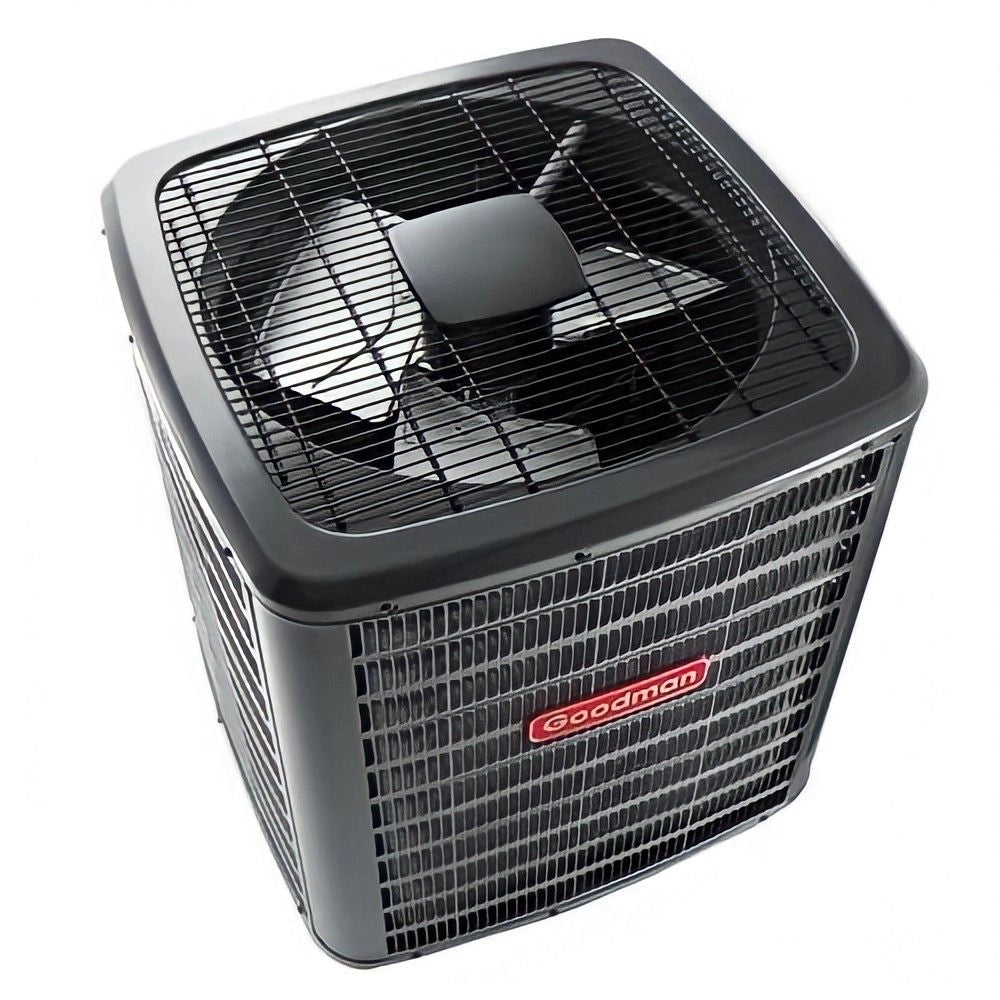
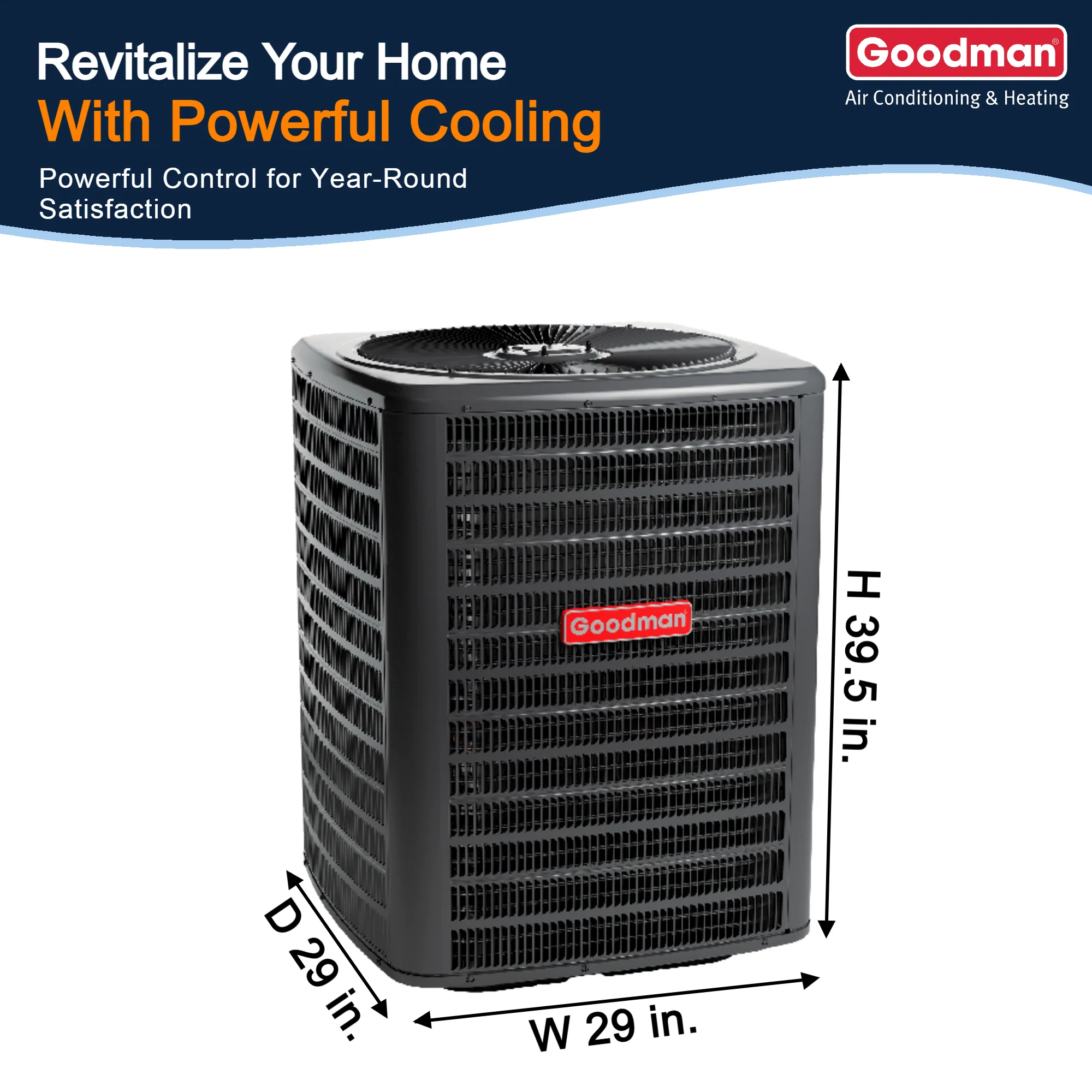
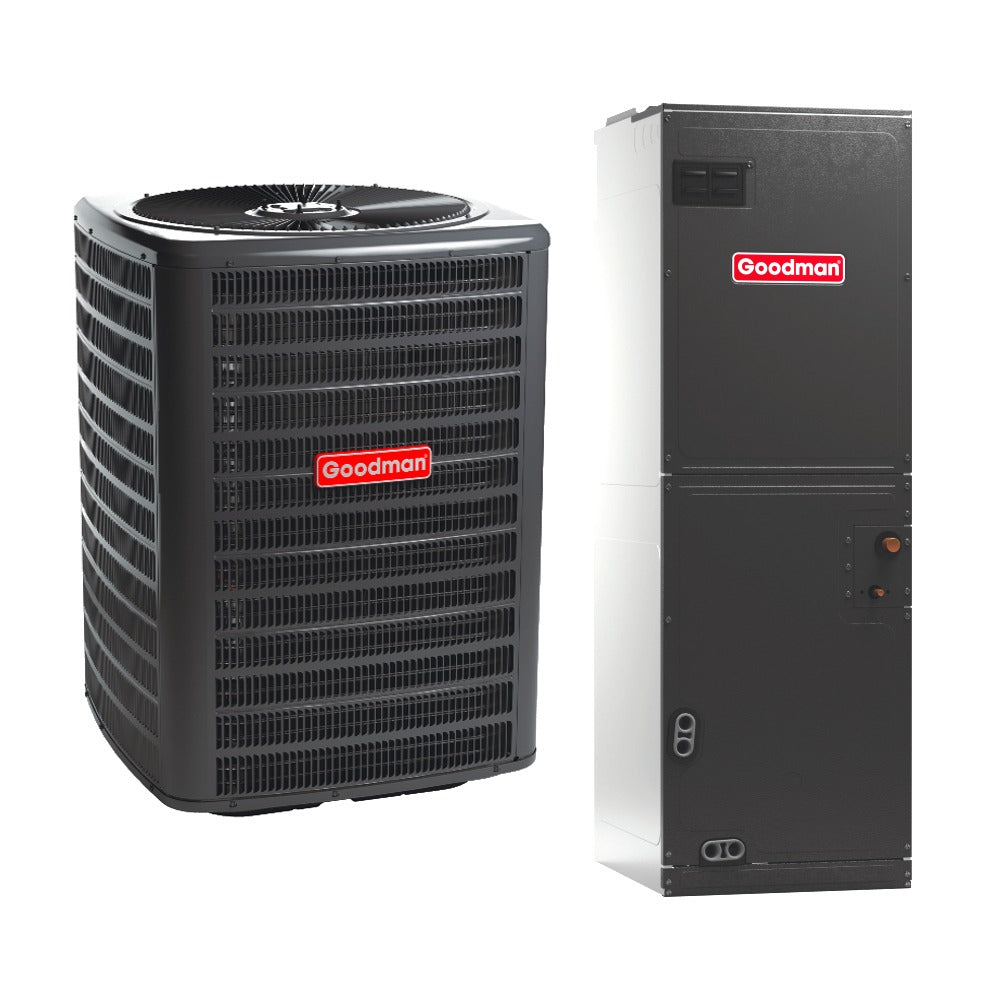
The Goodman 3 Ton 14.5 SEER2 R32 bundle is a high-performance system ideal for those seeking efficient cooling for larger spaces. For product details and purchasing options, explore the Goodman 3 Ton bundle here.
Why Choose DIY AC Systems?
DIY AC systems provide flexibility, cost savings, and customization. Here’s why they’re becoming a go-to solution:
-
Cost Efficiency: Avoid paying professional labor costs while still installing high-quality units.
-
Customization: Mini splits and DIY kits can be tailored to specific rooms or zones.
-
Energy Savings: Many DIY units are energy-efficient, helping reduce monthly utility bills.
-
Ease of Installation: Modern DIY mini split kits are designed with user-friendly instructions, making installation feasible for experienced homeowners.
For professional insights on energy-efficient systems, visit Energy.gov.
Types of DIY AC Systems
1. DIY Mini Split Air Conditioners
Mini split kits consist of an indoor air handler, an outdoor condenser, and connecting refrigerant lines. They are ideal for homes without ductwork or for adding cooling to specific zones. Key benefits include:
-
No Ductwork Required: Perfect for retrofitting older homes.
-
Flexible Zoning: Cool multiple areas independently.
-
High Efficiency: Most mini splits use inverter technology for energy savings.
2. DIY Split AC Units
Split AC systems separate the indoor and outdoor units. With a DIY split AC unit, you can achieve the same efficiency as professional installations but with hands-on involvement. Features often include:
-
Easy installation brackets
-
Pre-charged refrigerant lines
-
Remote control operation
-
Compatibility with multiple indoor units
For guidance on selecting and installing split AC units, see HVAC.com.
3. DIY Central Air Conditioning Kits
For whole-home cooling, DIY central air conditioning kits allow homeowners to integrate new cooling into existing ductwork. Benefits include:
-
Uniform temperature across rooms
-
Compatibility with existing heating systems
-
Energy efficiency with modern SEER-rated units
Some kits are designed for homeowners with moderate DIY experience, while larger installations may require professional certification for refrigerant handling.
Choosing the Cheapest DIY Mini Split
When selecting the cheapest DIY mini split, consider:
-
System Size: Match BTU rating to room size.
-
Energy Efficiency: Higher SEER ratings may cost more upfront but reduce operating costs.
-
Ease of Installation: Pre-charged line sets and clear instructions reduce installation challenges.
-
Brand Reputation: Choose brands with good reviews for reliability and support.
For reviews and comparisons of mini split systems, check HomeAdvisor.
Step-by-Step Guide to Installing a DIY Mini Split
Step 1: Plan Your Installation
-
Choose the ideal location for the indoor unit (typically high on a wall).
-
Ensure outdoor unit placement has clearance for airflow and maintenance.
-
Measure refrigerant line lengths to avoid bending or kinking.
Step 2: Mount the Indoor Unit
-
Install the mounting plate securely on the wall.
-
Drill a hole for refrigerant lines, electrical wiring, and condensate drainage.
-
Attach the indoor unit to the mounting plate.
Step 3: Install the Outdoor Unit
-
Place the condenser on a level, stable platform.
-
Ensure it’s away from debris and has adequate airflow clearance.
-
Connect refrigerant lines, power supply, and communication cables.
Step 4: Connect Refrigerant Lines
-
Most DIY kits come pre-charged; follow the instructions to connect lines without releasing refrigerant.
-
Insulate lines to prevent energy loss and condensation.
-
Ensure proper slope for condensate drainage.
Step 5: Electrical Connections and Testing
-
Connect the indoor and outdoor units to the power supply.
-
Test system operation, including cooling performance and remote control functionality.
-
Adjust settings for optimal comfort.
Tips for Successful DIY Installation
-
Read All Instructions Carefully: Follow manufacturer guidance to prevent damage.
-
Check Local Codes: Some jurisdictions require professional refrigerant handling.
-
Measure Twice, Drill Once: Ensure precise placement for indoor and outdoor units.
-
Keep Line Sets Short: Longer refrigerant lines can reduce efficiency.
For additional DIY resources and tutorials, visit Energy.gov.
Maintenance for DIY AC Systems
Proper maintenance keeps your DIY mini split or central air kit running efficiently:
-
Clean filters every 1–3 months
-
Inspect refrigerant lines for leaks
-
Clear debris from outdoor condenser coils
-
Schedule annual professional checkup if required for refrigerant handling
Regular upkeep extends system life and maintains optimal energy efficiency.
Common Questions About DIY AC Systems
Q: Can anyone install a DIY mini split?
A: Homeowners with basic mechanical skills can install most kits, but handling refrigerant may require certification.
Q: What size mini split do I need?
A: Calculate the room’s square footage and choose a BTU rating accordingly.
Q: Are DIY central air conditioning kits cost-effective?
A: Yes, especially when compared to professional installation, though larger systems may still require professional involvement.
Q: How does a DIY split AC unit compare to professional installation?
A: Performance is similar if installation is done correctly, but warranty compliance and refrigerant handling may be restricted.
Final Thoughts
DIY AC systems, including mini split kits, split AC units, and DIY central air conditioning kits, offer homeowners flexibility, cost savings, and energy efficiency. Whether you’re looking for the cheapest DIY mini split or a full home cooling solution, modern kits make installation feasible and rewarding.
For product details, purchase options, and specifications, explore the Goodman 3 Ton 14.5 SEER2 R32 bundle here. For DIY tips, tutorials, and guidance, check HVAC.com, HomeAdvisor, and Energy.gov.
By investing time in learning, planning, and following proper instructions, you can enjoy reliable, efficient, and customizable home cooling with a DIY AC system.