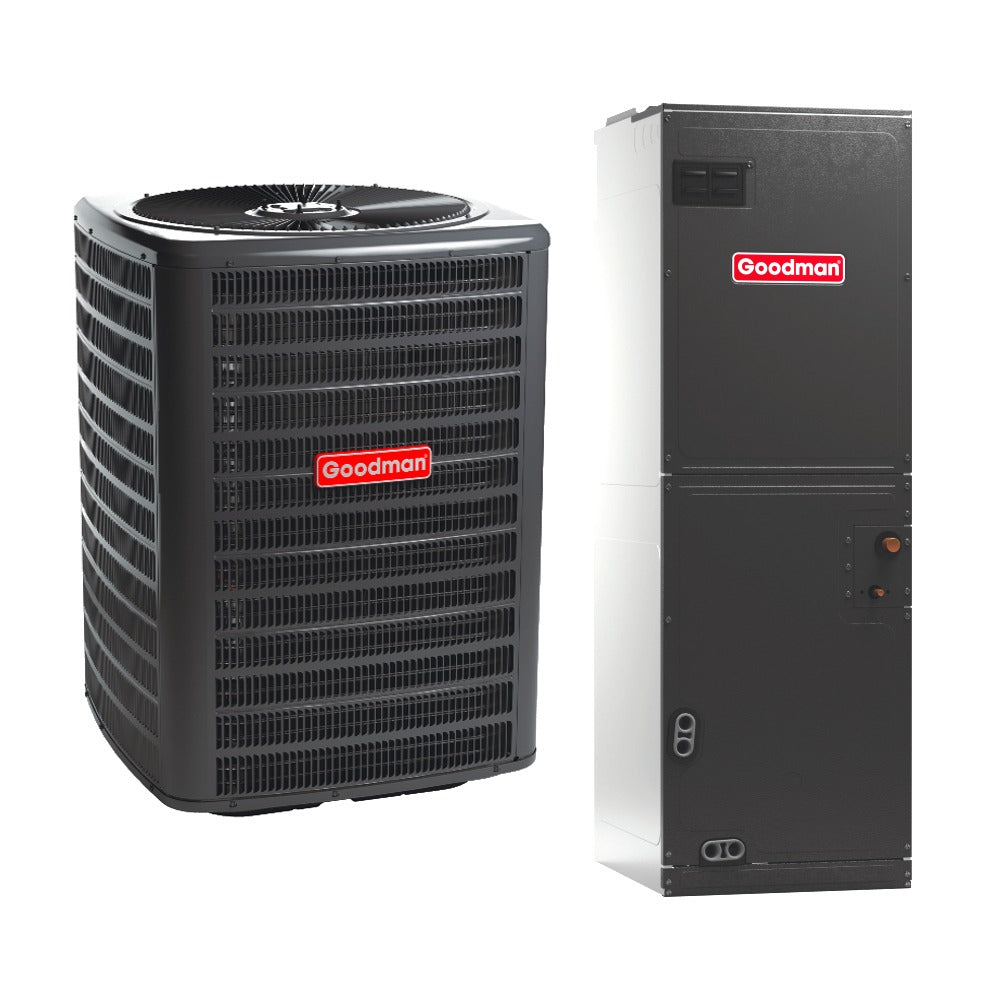

If you’ve ever searched for “mobile home Intertherm electric furnace wiring diagram,” “Nordyne wiring diagram for mobile home furnace,” or “Intertherm furnace manual,” you probably know that wiring diagrams can be confusing, especially when working with compact mobile home systems. Electric furnaces like the Goodman MBVK are reliable heating solutions, but understanding wiring, sequencers, and schematics is essential for troubleshooting, repairs, or safe installation.
I’m Savvy Mavi, and today we’ll explore mobile home electric furnace wiring from top to bottom. We’ll cover Intertherm electric furnace wiring diagrams, Nordyne wiring diagrams, sequencer wiring, schematics, and how all of this applies to your Goodman MBVK electric furnace. By the end, you’ll have a clear framework for reading diagrams, identifying components, and understanding the logic behind electric furnace wiring.
Understanding the Basics of Mobile Home Electric Furnace Wiring
Mobile home furnaces are typically compact and designed to fit tight spaces. The wiring layout reflects this efficiency but introduces unique considerations:
-
Fewer breakers and circuits than residential full-size systems
-
Integrated sequencers to stage heating elements safely
-
Simplified blower control wiring
-
Smaller thermostats with fewer terminals
Key terms you may encounter in wiring diagrams:
-
Sequencer: Controls power to heating elements in stages
-
Blower motor wiring: Ensures airflow is synchronized with heating
-
Limit switch: Prevents overheating
-
Transformer wiring: Steps down voltage for controls
Understanding these elements is critical before attempting any diagnostics or adjustments.
Intertherm Electric Furnace Wiring Diagrams
Intertherm mobile home furnaces are common, especially in older homes or pre-fabricated units. A typical Intertherm electric furnace wiring diagram shows:
-
Power input from main breakers
-
Sequencer connections to heating elements
-
Thermostat interface (heat calls)
-
Blower motor and high-limit switch wiring
-
Indicator lights or diagnostic outputs
Diagrams like the E2EB 015HA wiring diagram or E2EB 012HA wiring diagram often accompany manuals and schematics to help technicians or homeowners trace circuits safely.
If you want a full schematic for reference, official Intertherm manuals include these diagrams .
Nordyne Mobile Home Furnace Wiring Diagrams
Nordyne furnaces, another widely used brand, have similar layout logic but different labeling conventions:
-
Power connections labeled L1/L2 or Line 1/Line 2
-
Sequencer terminals labeled for heating stages (H1, H2, H3)
-
Blower motor wires often color-coded
-
High-limit switches in series with sequencer or transformer
The Nordyne wiring diagram for mobile home furnace and Nordyne electric furnace wiring diagram provide a roadmap for troubleshooting power or heating issues without guessing.
Official Nordyne wiring resources offer complete schematics and safety guidelines .
Goodman MBVK Wiring: How It Compares
While the Goodman MBVK is often used in standard residential installations, the wiring logic is surprisingly similar to mobile home electric furnaces:
-
Thermostat signal initiates heating call
-
Sequenced electric elements energize based on demand
-
Blower motor engages after delay to prevent overheating
-
Limit switches protect against unsafe temperatures
This means knowledge from Intertherm furnace wiring schematic or Intertherm heat sequencer wiring diagram is transferable in understanding electric furnace operation in general.
Reading Mobile Home Furnace Wiring Diagrams
Reading a wiring diagram is like reading a map—you need to understand symbols and conventions:
-
Lines represent wires connecting components
-
Boxes or rectangles represent components (sequencers, transformers, thermostats)
-
Switch symbols indicate open/closed conditions
-
Terminal labels identify connection points
-
Arrows may indicate current flow direction or airflow sequence
A properly labeled diagram, like the Intertherm mobile home furnace wiring diagram, helps identify where power enters, how it flows through heating stages, and where safety devices interrupt circuits if needed.
Common Components Highlighted in Wiring Diagrams
-
Heating Elements
Shown in series or parallel depending on voltage and staging -
Sequencer
Often connected to both elements and blower motor; controls staged heating -
Thermostat Connections
W, R, C, G terminals signal heat call and fan operation -
Blower Motor
Controlled by a relay or sequencer to ensure airflow matches heating demand -
High-Limit Switch
In series with heating elements; cuts power if furnace overheats
Understanding these elements is key for electric furnace troubleshooting, especially when elements fail or safety switches trip.
Troubleshooting Using Wiring Diagrams
If your electric furnace not turning on or electric heater not blowing hot air in house, a wiring diagram allows you to:
-
Trace power from breakers to sequencer
-
Confirm thermostat calls reach the control board
-
Check continuity across heating elements
-
Verify blower motor receives correct voltage
-
Inspect limit switches for open or shorted conditions
Using diagrams like the Intertherm furnace wiring schematic or Nordyne furnace wiring diagram, you can isolate the exact circuit causing failure without guesswork.
Sequencer-Specific Wiring
A common troubleshooting point is the Intertherm heat sequencer wiring diagram:
-
Stage 1 energizes first set of heating elements
-
Stage 2 energizes additional elements as needed
-
Blower interlock ensures fan only runs after heating starts
-
Safety features cut power if temperatures exceed limits
Proper sequencing prevents uneven heat, blown breakers, or premature element failure. The E2EB 015HA wiring diagram and E2EB 012HA wiring diagram are valuable references for identifying terminal numbers and wire colors.
Safety Considerations
Mobile home furnaces are compact, and improper wiring can cause hazards:
-
High-voltage components require professional handling
-
Never bypass sequencers or limit switches
-
Always verify power is off at breakers before testing
-
Use diagrams to ensure correct reconnections
-
Only use OEM parts for replacement elements or control boards
Safety-first troubleshooting reduces risk and ensures long-term furnace performance.
Manuals and Schematics
The Intertherm furnace manual is your most trusted resource:
-
Step-by-step installation guides
-
Wiring diagrams and schematics
-
Troubleshooting tips
-
Maintenance instructions
Even if you’re working on a Goodman MBVK, reading Intertherm or Nordyne manuals helps you understand fundamental electric furnace principles.
Official manuals provide schematics like Intertherm furnace wiring schematic and guidance for mobile home installations .
Integrating Diagrams with Diagnostics
Using wiring diagrams for electric furnace troubleshooting involves:
-
Identifying symptoms: e.g., electric heater not turning on, furnace not blowing warm air
-
Mapping symptom to circuit: use diagram to locate heating elements, sequencer, or limit switch
-
Testing components: multimeter checks for continuity or voltage
-
Confirming fan operation: ensure blower receives proper signal
-
Making safe replacements: refer to diagram for correct wire reconnections
This structured approach avoids trial-and-error and preserves system safety.
Conclusion
Mobile home electric furnaces—whether Intertherm, Nordyne, or Goodman MBVK—may seem complex due to compact wiring, sequencers, and safety interlocks. However, understanding wiring diagrams, schematics, and manuals makes troubleshooting systematic and safe.
Key takeaways:
-
Familiarize yourself with wiring diagrams before attempting diagnostics
-
Learn component function: sequencer, heating elements, blower, high-limit switches
-
Use official Intertherm furnace manual or Nordyne wiring diagram as reference
-
Verify power, continuity, and thermostat calls in an organized sequence
-
Respect electrical safety and call professionals when necessary
By reading diagrams carefully and understanding the logic behind the system, you can troubleshoot electric heater problems, resolve electric furnace not turning on, and maintain reliable home comfort in mobile homes with electric heating systems like the Goodman MBVK.