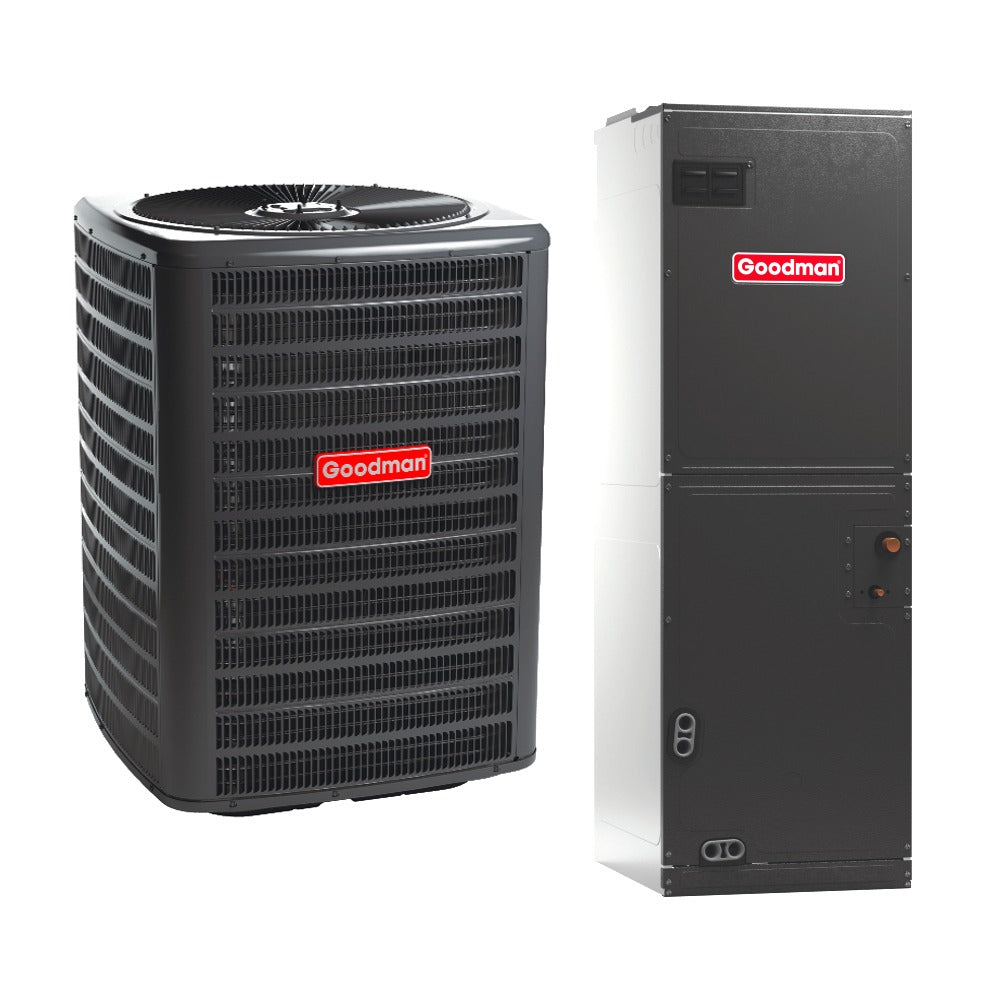

Okay — you might already know that when you shop HVAC systems or components, the compressor is the heart of the outdoor unit. It’s what moves refrigerant, drives cooling, and ultimately dictates many costs, lifespan and performance. When you hear “trane 3 ton compressor” you’re referencing the component sized around 3 tons of cooling capacity (which corresponds roughly to a system sized for perhaps ~1,500‑2,000 sq ft home, depending on climate and load).
Here’s why comparing a Trane compressor (and its prices) to the Goodman bundle matters:
-
If you’re evaluating the Goodman 3‑ton, 14.5 SEER2 R‑32 bundle, you should know what the comparable premium brand (Trane) is charging — for the compressor, full system, etc.
-
If you ever need a replacement compressor (not the whole system), you’ll want to know “what does a Trane 3‑ton compressor cost” so you don’t overpay.
-
If you’re weighing “Is it worth going premium (Trane) versus value (Goodman)?” you want to know the cost differential, performance differential, risk differential.
So in this article we’ll break down: Trane compressor pricing, what influences the price, how it compares to the Goodman bundle, when a replacement makes sense, and how to talk to your contractor intelligently.
Understanding “Trane 3 Ton Compressor” & What That Means
When someone says “Trane 3‑ton compressor”, a few things need clarifying:
-
Brand: Trane is a well‑known premium HVAC brand, known for higher reliability, higher cost, strong dealer network, good warranties.
-
Size: "3‑ton" refers to cooling capacity (~36,000 BTUs/hr). That means the compressor is sized to handle a 3‑ton outdoor unit (and matched indoor coil/handler) for a typical residential load.
-
Component vs System: The compressor is one part of the outdoor unit. The outdoor unit also has condenser coil, fan, controls, refrigerant line set. Replacing only the compressor is a repair; replacing the whole outdoor unit is a system upgrade or replacement.
-
Efficiency / Features: Modern compressors come in single‑stage, two‑stage, variable‑speed; higher efficiency (higher SEER/SEER2) units cost more. Trane’s premium systems will have premium compressors.
Knowing this, when you ask “trane compressors prices” or “trane 3‑ton compressor price”, you need to know whether you’re talking: (a) compressor only (repair), (b) full outdoor unit only (replacement), (c) full system replacement (outdoor+indoor+ductwork). The cost ranges differ widely.
What Are Trane Compressor Prices Looking Like Right Now?
Here’s what I found digging into current pricing for Trane compressors and systems, so you can benchmark.
Compressor‑Only / Replacement
-
According to Trane’s own resources: “If it’s not under warranty the compressor replacement can cost anywhere between $900‑$2,900.” (Trane)
-
On the site “Just Answer” an HVAC expert said: for a burned‑out Trane compressor, replacement might be in the $1,400‑$1,600 range (compressor + labor) for smaller systems. (JustAnswer)
-
On used‑or‑discount component marketplaces, I saw new and surplus Trane compressors for dramatically reduced rates (e.g., $549 for a large unit) but those are niche deals. (Used AC Depot)
So if you are replacing just the compressor in a 3‑ton Trane outdoor unit, plan on $1,000‑$3,000, depending on job difficulty, warranty status, region, etc.
Full Outdoor Unit or System Replacement
-
A Trane AC unit (outdoor + install) for a residential size typically ranges from $4,600‑$12,000 depending on model, home size, etc. (Today's Homeowner)
-
While not strictly compressor only, this gives you the sense of the premium brand cost bracket.
-
On component vendor pricing: for example a 3‑ton Trane scroll compressor listed at ~$1,362.20.
Key Takeaway on Pricing
-
If you’re replacing just the compressor: ~$1K‑$3K is realistic for a 3‑ton Trane unit in many cases.
-
If you’re replacing a full 3‑ton outdoor unit from Trane (with install): budget significantly more — as part of full system cost.
-
If you’re comparing to a value brand like Goodman, expect a sizable premium for the Trane brand (premium features, dealer support, brand reputation).
How This Compares to the Goodman 3‑Ton 14.5 SEER2 R‑32 Bundle
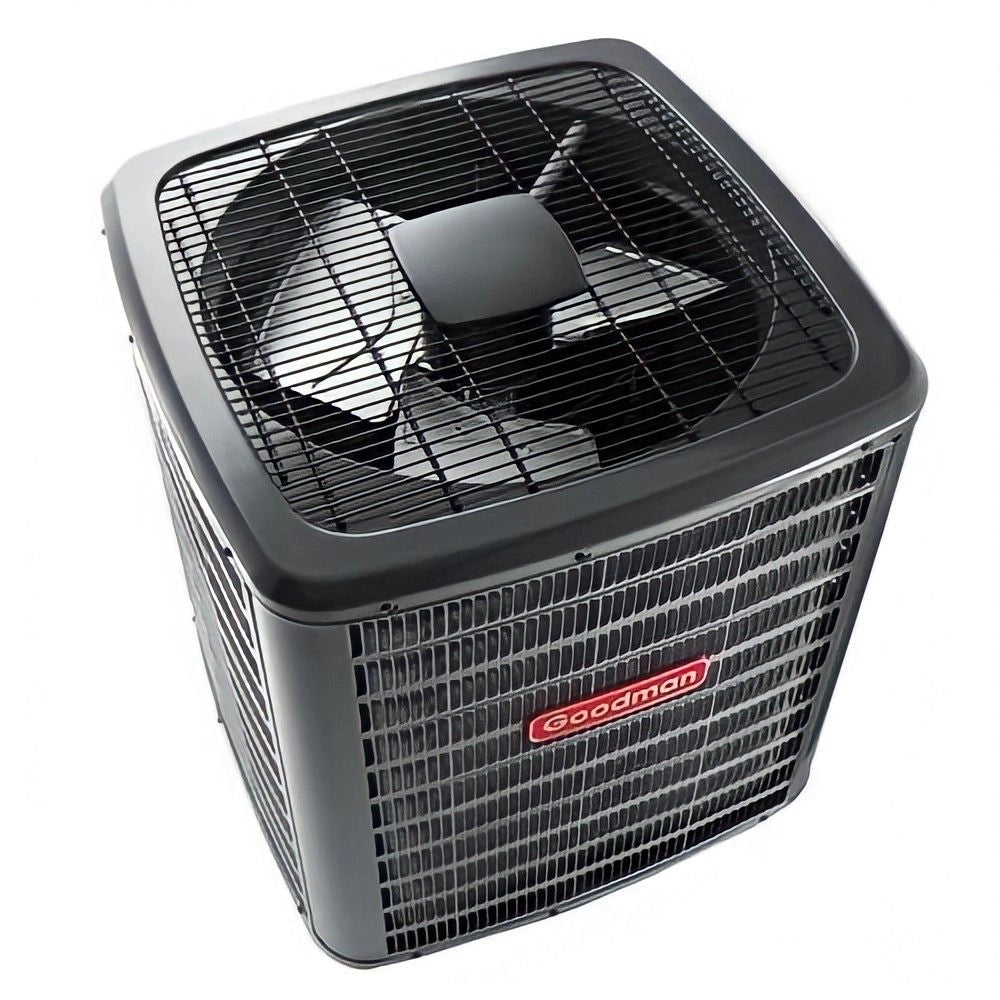
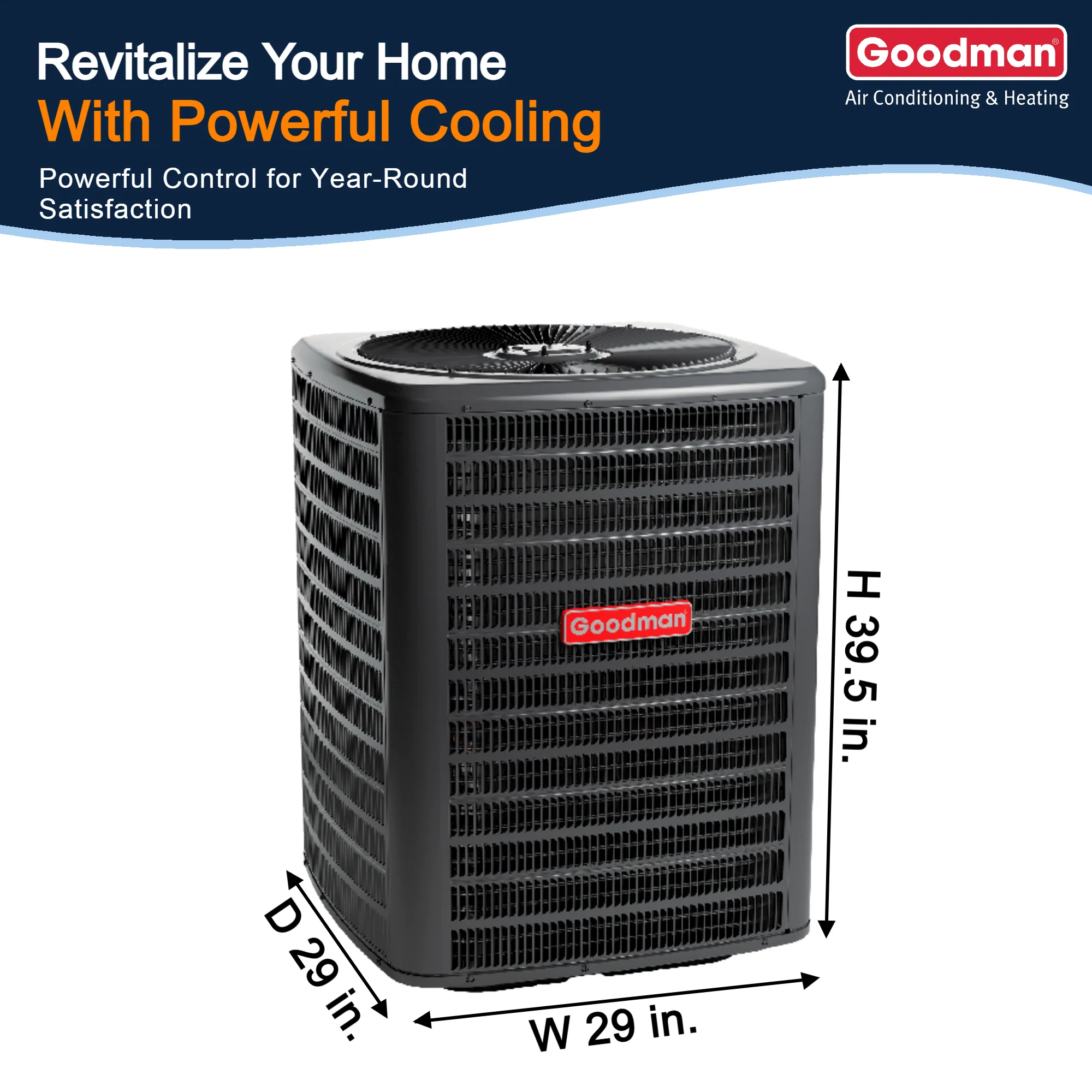
Now let’s bring the Goodman bundle into the picture. The pillar page you referenced is for a Goodman 3‑ton, 14.5 SEER2 R‑32 bundle (outdoor + indoor matched unit). Here’s how I advise you to interpret the comparison:
Upfront Cost
-
The Goodman bundle is positioned as a value package: correct tonnage, modern refrigerant (R‑32), moderate efficiency (14.5 SEER2) — fewer frills, lower price.
-
The Trane cost (for compressor or full outdoor unit) is significantly higher in many cases. So you’re paying a premium for brand/efficiency/features.
-
If you replaced a compressor only in a comparable sized Goodman system, cost might be lower (parts less expensive, brand lower cost) than Trane.
Value vs Premium
-
If you go with the Trane compressor (premium brand), you get: better warranty, possibly better durability, maybe more refined features (two‑stage, variable speed, quieter operation) depending on the model.
-
But you’ll pay for it — both in upfront cost and potentially in maintenance/parts cost down the road.
-
With the Goodman bundle, you’re optimizing for value: properly sized for your home, modern refrigerant, decent efficiency — maybe you’ll compromise on features or brand prestige, but many homeowners will not miss the premium features if size and installation are correct.
When the Trane Premium Makes Sense (and When It Doesn’t)
-
Makes sense if: your home is large, your cooling load is heavy, you plan to stay 15‑20 years, you value ultra‑quiet, you already have premium indoor equipment and ductwork is excellent.
-
Doesn’t make sense if: your home is moderate size, your usage is moderate, you’re budget‑conscious, you might move in a few years — then a value system like Goodman might provide better ROI.
What to Ask When Evaluating “Trane 3 Ton Compressor Price” or a Replacement
When you talk to HVAC contractors about replacing a Trane compressor (or comparing to the Goodman bundle), here are the questions to ask — things Jake Lawson thinks you should absolutely cover:
-
What’s the model of the compressor/outdoor unit?
A Trane “3‑ton” compressor could refer to different models, efficiencies, features. Make sure you’re comparing apples to apples. -
What’s the unit cost vs labor cost?
If you’re quoted, say, $2,500 to replace just the compressor, ask: how much is parts? How much is labor? What’s included (refrigerant, lineset, matching to indoor unit)? -
Is the indoor coil/air handler compatible?
If you only replace the outdoor compressor but the indoor unit is mismatched, you could lose efficiency, warranty coverage, or create issues. -
What’s the refrigerant type?
New systems may use R‑32 or R‑454B; older units might use R‑22 (which is costly to service). Be aware if the Trane compressor is for an older refrigerant — that may complicate cost and future service. -
What are the warranty terms?
Premium brands often provide robust warranties, but only if installed by certified dealers. Don’t assume full warranty applies to a repair job unless conditions are met. -
What are the long‑term operational differences?
If the Trane compressor is variable‑speed or part of a high‑SEER system, your electricity bills might go down — but will the savings justify the higher upfront cost? Always ask for estimates. -
What’s the installation site condition?
Complexity matters: if access is tight, you need new pad, line changes, special refrigerant, or the unit is in an attic/hard‑to‑reach spot, labour cost goes up. A “standard” job is cheaper. -
If you’re comparing to a value bundle (Goodman) — what are you giving up?
Example: with the Goodman 3‑ton 14.5 SEER2 bundle you may have a single‑stage compressor, standard blower, fewer comfort features. That may be fine for many homes. But if you go premium Trane you may get two‑stage or variable speed, better noise control, tighter tolerances — ask if you’ll actually benefit from those.
Sample Cost Scenarios: Trane 3‑Ton Compressor vs Goodman Bundle
Let’s walk through some hypothetical numbers (rounded and region‑dependent) so you can see how this might play out.
Scenario A: Home ~1,800 sq ft, existing outdoor unit failing
-
Option 1 (Trane compressor only replacement): Compressor unit cost ~$1,300‑$2,500 (parts) + labour ~$700‑$1,500 ⇒ total roughly $2,000‑$4,000.
-
Option 2 (Go full bundle upgrade with Goodman 3‑ton 14.5 SEER2 R‑32): Suppose the bundle installed is ~$4,000‑$6,000 depending on region and indoor equipment condition.
-
In this case, you must weigh: “If I only replace compressor, how many years left on the rest of the system? Will efficiency suffer? Do I want premium brand or value brand?”
Scenario B: Home ~2,000 sq ft, looking for long‑term comfort
-
Option 1 (Trane full outdoor + indoor replace, premium model): Could cost upwards of $8,000‑$10,000 depending on features, labor, upgrades.
-
Option 2 (Goodman 3‑ton value bundle, installed now): Maybe ~$4,000‑$6,000. You save thousands up‑front; your efficiency is moderate but fine for many homes.
-
If you’ll stay in the home 10‑15 years and want ultra‑quiet/humidity control, maybe the premium pays off. If you’ll move in 5 years, maybe the value bundle is smarter.
Scenario C: Pure Compressor Replacement on a Trane
-
Home: 1,600 sq ft, Trane 3‑ton outdoor unit but compressor failed, rest of system is aged ~12 years, indoor coil okay.
-
Quote: $2,500 to replace compressor & labour.
-
As a homeowner you should ask: “If I replace the compressor only, how many more years of life do I expect? What about the indoor unit? What about the refrigerant if old? What’s the warranty on this repair?” If you find your whole system is near end‑of‑life, maybe replace the full system instead.
My “Jake Lawson” Bottom Line — What You Should Do
Here’s my verdict and recommendations for you, broken down in straight‑talk:
-
If you’re considering the Goodman 3‑ton, 14.5 SEER2 R‑32 bundle — good choice for value. You’ve got correct capacity, modern refrigerant, moderate efficiency.
-
If you also have considered “trane 3 ton compressor” pricing and premium brands, understand you’ll pay a premium for brand, for higher efficiency and extra features. That premium may pay off, but only if your home/usage justify it.
-
If your outdoor condenser/compressor fails and the rest of the system is in good shape, replacing just the compressor (Trane or comparable) is a viable path — expect ~$1,000‑$3,000 for just the compressor job if conditions are favorable.
-
If your system is old, indoor equipment is aged, or you want to upgrade comfort/efficiency/humidity/noise — you may choose full replacement (Goodman value bundle) and skip the premium brand cost.
-
Always get multiple quotes, question what’s included, and compare “features you’ll use” vs “features you’ll pay for but never notice”.
-
Don’t assume premium brand is always “better worth the cost”. A well‑installed value system (Goodman) may outperform a premium brand installed poorly.
-
If you decide to go premium (Trane), make sure the investment aligns with your usage (hours/year), climate severity, how long you’ll stay, and the condition of your indoor/duct components.
Final Thoughts
When it comes to “trane compressors prices” and “trane 3 ton compressor price”, you’re looking at a wide range depending on scope (compressor only vs full unit vs full system), location, brand features, efficiency, and installation conditions. But your best anchor is knowing the ballpark: compressor replacement ~$1,000‑$3,000 for many residential 3‑ton systems; full premium system ~$5,000+ up to $10,000+; value bundles (like the Goodman 3‑ton 14.5 SEER2 R‑32) may bring that down significantly.
My advice: Use the Goodman bundle as your value benchmark. Then ask: “If I go Trane premium, what am I paying extra for, and will I benefit from it enough to justify that cost?” If yes, proceed with premium. If no, get the value system and invest the savings in good installation, good ductwork, maintenance — because those are the things that ultimately deliver comfort and longevity.