
Let’s be honest. When someone types “best ductless window air conditioner,” or “ductless ac window unit,” what they’re usually hunting for is convenient, efficient cooling — ideally something cheaper and easier to install than a full-blown central air system. Maybe they rent. Maybe they live in an older house with no ducts. Maybe they just want to cool a bedroom, attic office, or a small addition.
But that phrase is fuzzy. “Ductless window air conditioning” could mean:
-
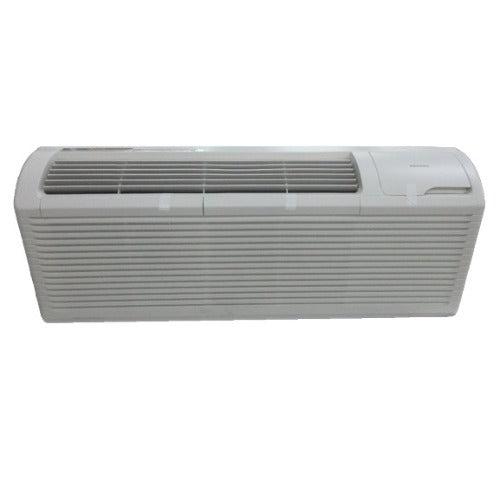
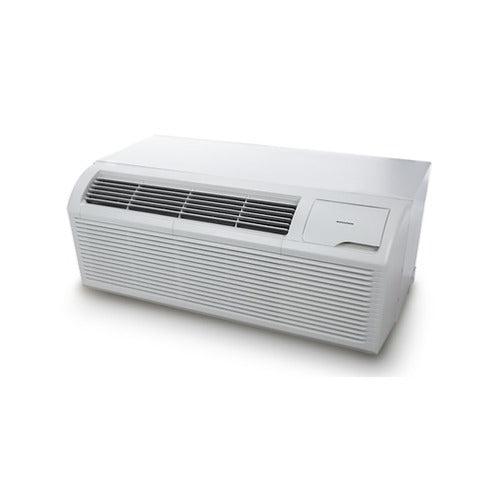
A traditional window‑mounted AC.
-
A “mini‑split” with small wall‑mounted heads and an outdoor compressor.
-
A compact ductless system designed for a room or two — sometimes billed as a “window alternative.”
Then there’s “split ac best,” “split window air conditioner,” “mini split window ac” — more jargon.
Here’s the thing: sometimes folks hunting those keywords are better served by a split/central-style system — especially if they want whole‑home (or multi-room) comfort, reliability, energy savings, and longevity.
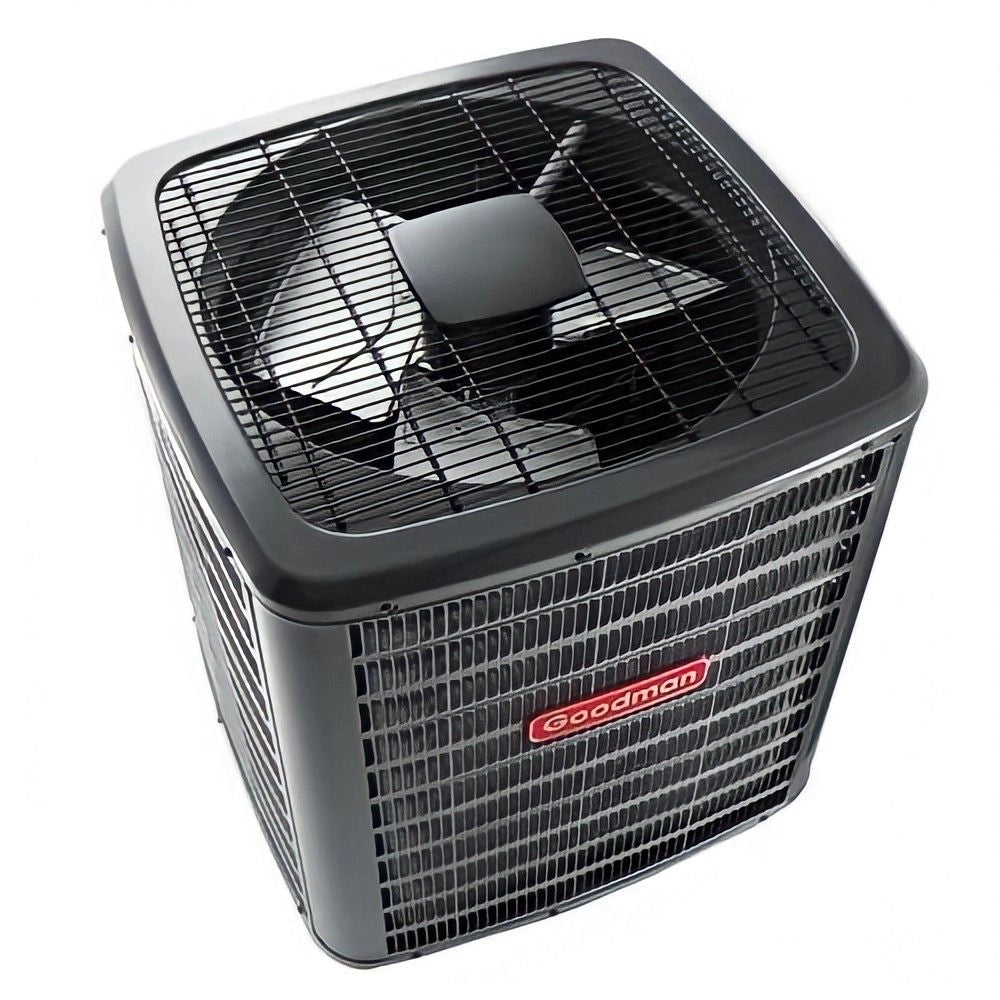
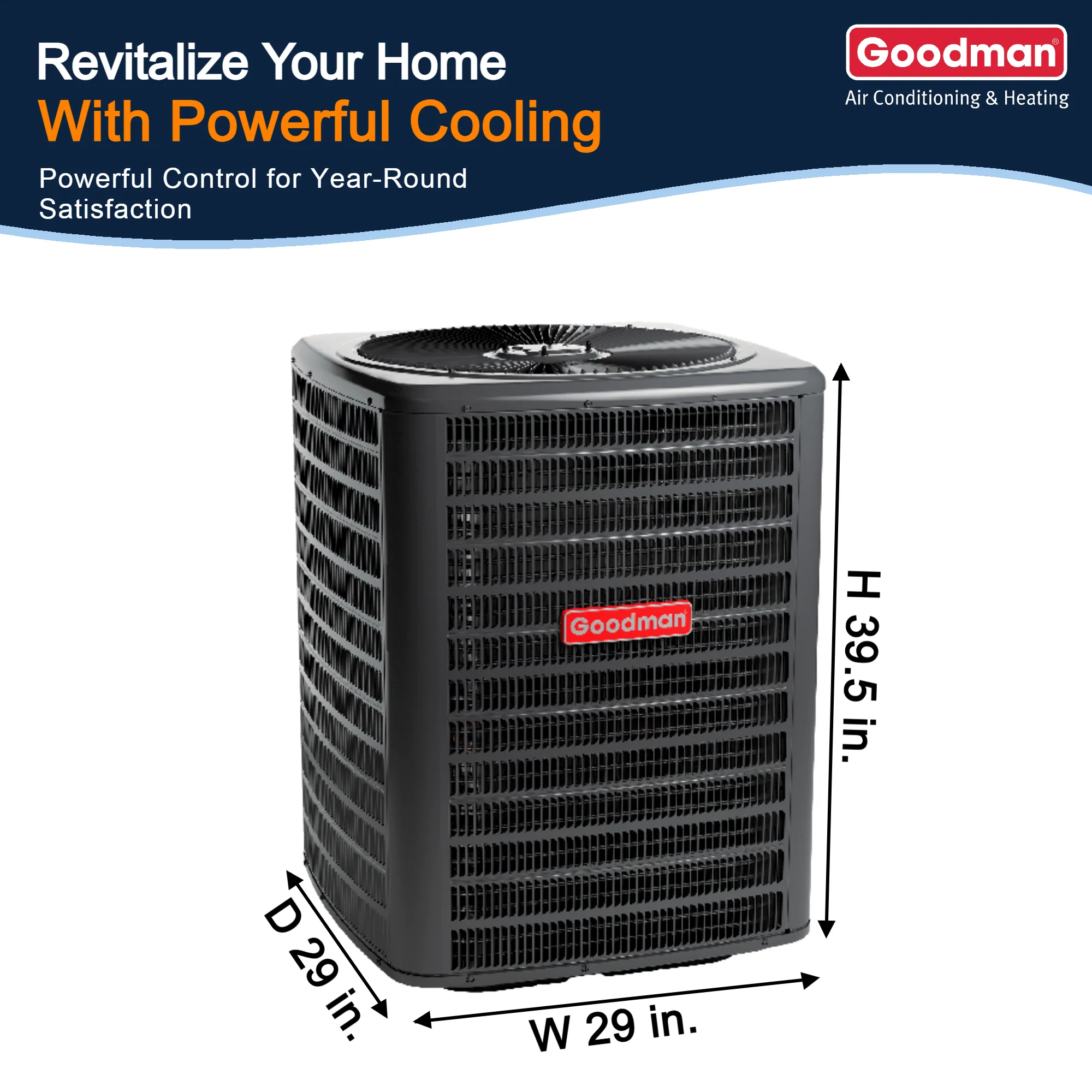
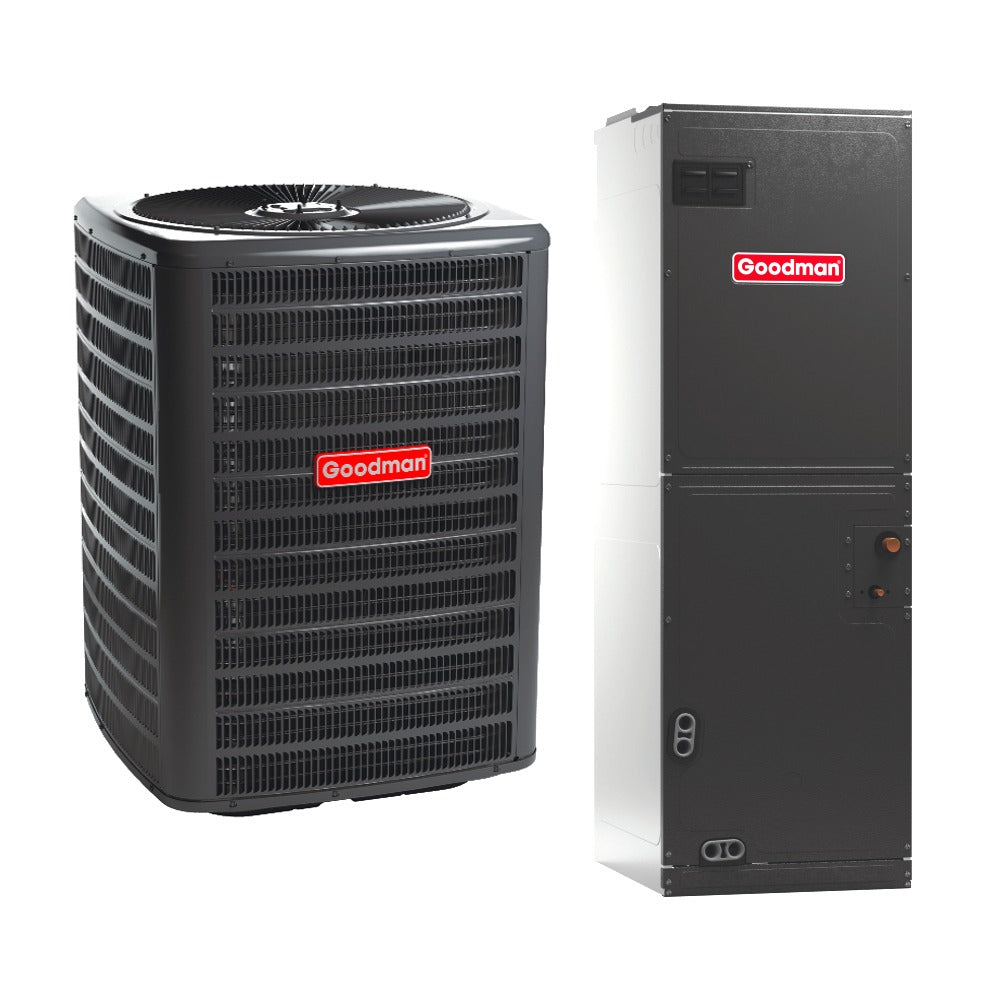
Which is why I turned the spotlight on the Goodman 3‑Ton 14.5 SEER2 R‑32 system. It’s not a window unit. It’s not strictly a mini‑split (well, it can be configured as a split/duct system). But it hits many of the same goals: comfort, efficiency, modern refrigerant, and long-term value.
So if your search includes “best ductless window air conditioning,”? Maybe — just maybe — you want something like this instead.
In this extended blog, I’m going to argue why — unpacking the tradeoffs, the reality behind marketing-speak, and who actually wins depending on what you need.
Let’s go.
What the Goodman 3‑Ton R‑32 System Is — And What It’s Not
First things first: the Goodman 3‑Ton 14.5 SEER2 R‑32 bundle is not a ductless window unit. It is a split AC system — typically meaning an outdoor condenser paired with an indoor air handler (or air handler + ductwork).
-
That means it’s designed to deliver cooling (and possibly heating, depending on configuration) to large spaces, whole houses, or large zones — not to chill just a single bedroom or office via a window or wall.
-
You won’t be “plugging it into a window” or sliding a heavy box into a sash. Instead, you integrate it into your home’s structure (ductwork or ductless handler).
In other words: if you want a “ductless air conditioner window unit” in the literal sense — this isn’t it.
But if you care more about efficiency, power, long-term performance, comfort across multiple rooms, then this Goodman split system becomes a very interesting contender — sometimes more so than multiple ductless units.
Why I Think This Goodman Split System is Worth Considering — Even When You Were Initially Searching “Ductless / Window / Mini‑Split”
✅ Modern Refrigerant: R‑32 — Efficiency & Sustainability Built In
One of the strongest selling points for this Goodman system is its use of R‑32 refrigerant. That’s not just marketing fluff. R‑32 is increasingly favored across the HVAC world for a few good reasons:
-
It has about one‑third the global warming potential (GWP) of older refrigerants like R‑410A — which helps reduce environmental impact. (WInsen Refrigerant Sensor Solution)
-
R‑32 offers higher thermal efficiency and better heat transfer per unit of refrigerant, which can translate into lower electricity consumption and smaller system size without sacrificing comfort.
-
Because it’s a single‑component refrigerant, it’s easier to service, reclaim, and handle compared with blended or complex refrigerant mixes — making long-term maintenance simpler. (Daikin)
Bottom line: this isn’t your grandpa’s old window AC — it’s a modern, more environmentally conscious system.
📈 Efficiency Meets Capacity — Whole‑Home (or Large-Zone) Comfort
Many people search “best mini split window ac” because they want efficient cooling for a room or two. But what if you want comfort across multiple rooms, or even the whole house?
A 3‑ton system like Goodman’s can deliver roughly 36,000 BTU (or similar capacity), depending on configuration — that’s enough for large homes, open floor plans, or multiple zones.
Compare that to most traditional “window ac ductless” or “ductless air conditioner window unit” systems: usually sized for single rooms or small areas, often not powerful enough to consistently cool an entire home.
With a split/ducted system, you get:
-
Consistent temperature across rooms.
-
Centralized controls (or zoned if set up well).
-
No need to juggle multiple window units or wall heads.
-
More stable performance (less overheating or overload risk).
It’s a bigger upfront investment — but often pays off in comfort, convenience, and long‑term resilience.
🛠️ Longevity, Maintenance, Real‑World Usability
Because this setup is more permanent (vs. portable or window units), it tends to be:
-
More durable — fewer parts exposed to weather or constant installation/removal.
-
Easier to integrate into a home’s infrastructure (ductwork, electrical, thermostat, filters).
-
Better maintained — less chance of amateur installation or DIY mistakes that plague some window/portables.
If you care about “set it and forget it” comfort for years (not months), a properly installed split system makes sense.
And because of R‑32 and modern engineering, it’s not just “old school furnace + condenser,” it’s “modern HVAC.”
Why Ductless / Mini‑Split / Window‑Type Units Still Have Serious Value — And Why People Keep Searching for Them
Let’s be clear: I’m not trashing ductless mini‑splits, wall-mounted ductless heads, or window‑compatible AC units. For many homes and lifestyles, they remain the right tool for the job.
Here’s why:
-
Minimal Installation, No Ductwork Required
-
Traditional window units often just “plug and play” — slide them in a window or slightly modify a wall.
-
Mini-splits require only a small hole (for refrigerant lines, power, condensate drain) instead of full ductwork. (HVAC.com)
-
That means for apartments, older houses, garages, product-additions, or just a spare room — huge savings on complexity.
-
-
Zoned/Room-by-Room Control
-
With ductless heads, you can cool only the rooms you need. Occupying the living room? Cool that. Bedrooms? Cool them. Basement? Cool. Doesn’t matter.
-
Saves energy because you're not running an entire home’s AC when you only care about one zone.
-
-
Energy Efficiency & Quiet Operation
-
Many ductless mini‑splits consume significantly less power than window units or central AC, thanks to inverter compressors and efficient refrigerants. (Air Dynamics HVAC)
-
Indoor units are often whisper‑quiet because the noisy compressor sits outside. Great for bedrooms, offices, and quiet living spaces. (Total Comfort Heating & Cooling)
-
-
Flexibility & Lower Upfront Cost (for Small Spaces)
-
For small homes, apartments, or homes with few rooms — a single ductless unit is much cheaper than installing a ducted system.
-
For renters or people who move often, ductless or window units make sense because they avoid permanent installation.
-
-
Best for “Single Room”, “Small Addition”, or Budget-Conscious Cooling
-
If you’re cooling a small space — say a 200–400 sq ft bedroom or home office — a ductless mini‑split or window‑type unit typically does the job perfectly.
-
Many people searching for “best 12000 BTU mini split”, “best budget mini split”, “mini split window ac” are exactly in this scenario.
-
So the persistent popularity of “ductless window air conditioner,” “split ac best,” “mini split window ac,” “ductless window air conditioners,” etc., makes total sense.
You get convenience, flexibility, and energy savings — often with minimal disruption.
Where the Tradeoffs Are — Because Nothing’s Perfect
But make no mistake: ductless and mini‑splits come with tradeoffs. Depending on how big your home is, what kind of lifestyle you have, and how you use space, those tradeoffs can be deal‑breakers.
⚠️ Upfront Cost (if you need multiple units)
-
If you want to cool multiple rooms, each zone may need its own indoor head — which means more hardware, more lines, more installation fees.
-
In some cases, trying to “mini-split” an entire large house ends up costing more than a properly sized central/ducted system. (Fire & Ice)
🧰 Visibility & Aesthetics
-
Indoor heads — whether wall-mounted or ceiling — are visible. Some homeowners don’t like the look.
-
Window units block windows, obstruct views, and reduce natural light. Not ideal if you care about aesthetics or view.
🔧 Maintenance & Air Quality Limitations
-
Many mini‑splits have basic air filters that may not filter dust, pollen, allergens as well as central‑air filtration systems do.
-
If you use multiple ductless heads, you may end up maintaining several filters (versus a single central filter). That is more chores.
🔥 Limits in Coverage — Not Ideal for Whole-House Cooling (Unless You Build Multi‑Zone)
-
A single ductless unit (especially at 9,000–12,000 BTU) might cool a bedroom or office — but won’t cut it for a whole house.
-
Trying to use many small units to mimic central AC can be inefficient or expensive.
So Where Does Goodman (and “ducted split”) Fit in — Even for People Searching “Ductless / Window / Mini‑Split”?
Here’s where I want you to pause and ask: What are you really trying to achieve?
Because if your answer is:
-
I want reliable cooling for several rooms or a big home.
-
I care about long-term efficiency and energy savings.
-
I don’t want to juggle a dozen small units or block all my windows.
-
I’m ok with professional installation, ductwork (or already have ducts), and slightly more upfront investment.
Then a 3‑ton split system like the Goodman 14.5 SEER2 R‑32 bundle becomes very attractive.
✔️ What You Get
-
Whole‑home or large-zone comfort, not just a single room.
-
Modern refrigerant (R‑32) — efficient, environmentally friendlier, and future-proof.
-
Durability and long lifespan — better long‑term value than window/portable units.
-
Efficient operation — likely lower energy bills per ton compared to older systems, especially when ducts are well-insulated or new.
-
Simplicity in daily life — one thermostat, one filter, one system to maintain.
🔄 What You Trade Off
-
You lose the plug‑and‑play convenience of a “ductless window air conditioning” or “mini split window ac.”
-
Installation cost and complexity are higher — but that can be mitigated if you already have ducts.
-
For small homes or apartments, this system might be overkill (and more expensive) than a simple ductless unit.
In other words: it’s a different class of cooling solution. But for many households, it’s a more sensible and future‑proof one.
Who Should Strongly Consider This — And Who Should Stick with Ductless / Window / Mini‑Split
👇 Great Candidates for Goodman‑Style Split Systems (or Similar Full‑Home Split ACs)
-
Homeowners with mid‑size to large homes — 1,500+ sq ft.
-
Houses with existing ductwork, or where ductwork installation is reasonable.
-
People seeking whole‑house comfort without juggling multiple units.
-
Those who value efficiency, longevity, less clutter, simplicity over low upfront cost.
-
Folks wanting to avoid blocked windows, visible heads in every room, and the hassle of multiple systems.
🏠 Best Served by Ductless / Mini‑Split / Window Units
-
Renters, apartments, condos, or small houses where installing ducts or a central system doesn’t make sense.
-
People cooling single rooms, offices, attics, garages, basements, additions.
-
Budget-conscious folks who want minimal installation fuss and lower upfront cost.
-
Owners who value zoned control, flexibility, and scalability over whole-house coverage.
My Take (Jake Lawson Style): There’s No Single “Best AC” — But There Is a Smart Choice for Your Needs
If someone asked me for a one‑size-fits-all “best ductless window air conditioner,” I’d shrug and say: there’s no such thing.
What I will tell them is this:
-
If you want easy, affordable, room‑by‑room cooling, go ductless or mini‑split — but size the unit correctly (12,000 BTU is often that “sweet spot” for a single living room or medium‑size bedroom) to avoid over- or under‑shooting. This matches all those searches for “best 12000 BTU mini split,” “best budget mini split,” “split window air conditioner,” and “ductless ac window unit.”
-
If you want whole-home comfort, long-term efficiency, and a clean, “invisible once installed” solution, then a properly sized split system — like the Goodman 3‑Ton 14.5 SEER2 R‑32 — is often the smarter long‑term investment.
In short: the “best” depends on the goal.
I lean toward split systems like Goodman’s not because they’re glam, but because they work — hard, reliably, and quietly — behind the walls.
But I get it if someone just wants to cool a spare bedroom for summer or a garage workshop. In those cases, ductless or window units still win.
Addressing the Keyword Soup: “Best Ductless Window Air Conditioning,” “Split AC Best,” “Mini Split Window AC,” etc. — And What They Really Mean
I know a lot of homeowners and renters out there are typing in searches like:
-
“best ductless window air conditioners”
-
“window ac ductless”
-
“ductless air conditioner window unit”
-
“ductless window air conditioning”
-
“mini split window ac”
-
“best 12000 BTU mini split”
-
“best budget mini split”
-
“best split air conditioner”
-
“split ac best”
-
“which brand of mini split is good”
—all hoping to find that perfect balance of cool air, low cost, easy install, and reliability. But often, the language is more confusing than clarifying.
Here’s how I translate that keyword-soup into meaningful questions — and what I recommend depending on your answer.
| What you really want or need | What to look for |
|---|---|
| Cooling a single room, spare bedroom, small office, or apartment | A ductless mini‑split or window / wall-mounted AC — ideally 9,000–12,000 BTU range. |
| Minimal installation, no ducts, flexibility (renters, older homes, small spaces) | A ductless air conditioner window unit or mini split window AC, sometimes portable, wall-mounted or through-the-wall. |
| Low upfront cost, decent comfort, budget-conscious cooling | A budget mini split or basic window AC with modest BTU and no need for major installation. |
| Whole-house comfort, stable temperature, central control, long-term reliability | A split AC system (ducted or high‑capacity ductless split) — e.g. a 3-ton 14.5 SEER2 R‑32 system. |
| Energy efficiency and long-term value, even if upfront cost is higher | A modern split system using efficient refrigerant (e.g. R‑32), with properly sized capacity and sealed ductwork (if ducted). |
| Zoned control — different temps in different rooms, occasional use rooms, variable occupancy | A multi-zone mini‑split setup (if small home) or a zoned ducted split system (if whole-house). |
So when you search for “best mini split window ac” — pause for a second. Ask yourself: “Am I cooling one room, or a whole house?” That answer changes everything.
Why I Think More People Should Expand Their Definition of “Best Split Air Conditioner”
Here’s a confession: a few years ago, if I heard “ductless” or “mini‑split,” I pictured:
-
A wall‑mounted head in a spare bedroom.
-
A bulky outdoor unit with complicated pipes.
-
Something expensive.
But after reading up, talking with HVAC techs, and seeing real-world installations — especially with modern refrigerants like R‑32 — I realized that a split system (ducted or properly configured ductless) often delivers the comfort, efficiency, and longevity that window or small ductless units simply can’t match.
The traditional view — “window units are for small rooms, central AC is for the whole house” — overlooks a middle ground that’s often the sweet spot for many homeowners: modern split systems.
With the right sizing, proper installation, and efficient refrigerant, you get a system that:
-
Runs quietly.
-
Cools (or heats) efficiently.
-
Lasts for decades.
-
Requires only routine maintenance (filter changes, annual checkups).
That’s why I think more folks searching for “window ac ductless” or “best ductless window air conditioners” might actually be better served by considering a split AC — especially if their spaces or comfort goals are bigger than a single room.
When Ductless / Mini‑Split / Window Units Are Still the Right Call — And I’d Actually Recommend Them
Okay — let’s not swing to the extreme and say “everyone should get a split AC.” There are still real, valid, and common scenarios where ductless mini‑splits or window‑type ductless units are absolutely the smart play.
🎯 Best Scenarios for Ductless / Mini‑Split / Window Units
-
You live in an apartment, condo, or small house with no ductwork, and you don’t want or can’t afford to install ducts.
-
You need to cool or heat one room or a couple of rooms (bedroom, home office, garage workshop, attic, basement, sun‑room).
-
You move often or rent — don’t want a permanent HVAC commitment.
-
You care about zoned comfort — maybe bedrooms stay cool, living room stays warmer; you only use AC occasionally.
-
You want low upfront cost, or just want cooling for a short period (e.g. summer or occasional use).
-
You want quiet operation, remote control, and flexibility. A wall-mounted or through-wall mini-split is often quieter and more efficient than a window box, and still easier than installing ducts.
I’d lean toward recommending a 12,000 BTU mini‑split (or thereabouts) for these use-cases — balanced size vs efficiency vs cost. That seems to hit the sweet spot for many living rooms, bedrooms, or small offices.
So — My Verdict: It Depends on What “Best” Means to You
If you want a neat one‑size-fits-all answer, here it is (Jake Lawson style):
“There’s no single ‘best’ ductless or split AC for everyone — but there is a best AC for your home and lifestyle.”
-
For single rooms, apartments, renters, small spaces → go with a mini‑split / ductless / window-style unit. Affordable, flexible, efficient, and what you need.
-
For whole-house comfort, multi-room cooling, long-term value, quiet reliability → strongly consider a split AC system like the 3‑ton 14.5 SEER2 R‑32.
In many ways, that split system becomes the “best split air conditioner,” even if it doesn’t match the literal phrase “ductless window air conditioning.”
So if I were you — and I lived in a mid‑size to large house — I’d absolutely be leaning heavy toward a modern split system.
If I lived in a small apartment or just want to cool a home office or spare bedroom — a mini‑split or window‑style ductless AC still wins.
One Last Thought: Before You Buy — Ask Yourself These Questions
Before you click “buy,” or call an installer, I’d have you think through these:
-
What’s the square footage (or number of rooms) you want to cool (or heat)? — small? large? whole house?
-
Do you have ductwork already? Or is your house built in a way that implantation would be messy/costly?
-
What’s your budget — upfront vs long-term operating cost? Sometimes spending more now pays off over ten years.
-
Do you care about aesthetics, window light, unobstructed views? Window units are often eyesores — wall‑mounted mini‑splits less so; central/ducted systems are invisible once installed.
-
Do you want zoning (different temps in different rooms)? Mini‑splits excel at that; central/ducted systems less so unless you install dampers.
-
How long do you plan to stay in the property? If it’s a short-term rental or a few years, a simpler ductless setup might make more sense. If longer, a split or central system becomes more worthwhile.
Answer those honestly — and I promise you, you’ll narrow “best” down pretty quickly.
Final Word: Expand What You Mean by “Best Ductless / Mini‑Split / Split AC” — And You Might End Up with Smarter Comfort
When I started digging into this space — I thought of “ductless” as synonymous with “window‑type,” quick install, cheap, maybe noisy, definitely temporary.
But the more I learned — about refrigerants like R‑32, modern engineering, ducted vs ductless, whole‑house systems vs zone systems — I realized how limited that view is.
If you only care about a room or two — ductless units are still phenomenal. But if you care about real, lasting comfort, energy efficiency, and fewer headaches over the decades — then a properly sized split AC system, even if it uses ducts, can be a far smarter and more elegant solution.
That’s why I’m putting a stake in the ground: don’t dismiss split systems just because your search says “ductless” or “window unit.” Sometimes the “best split air conditioner” hides behind those keywords — and delivers more than what most “mini-split window AC” boxes ever will.