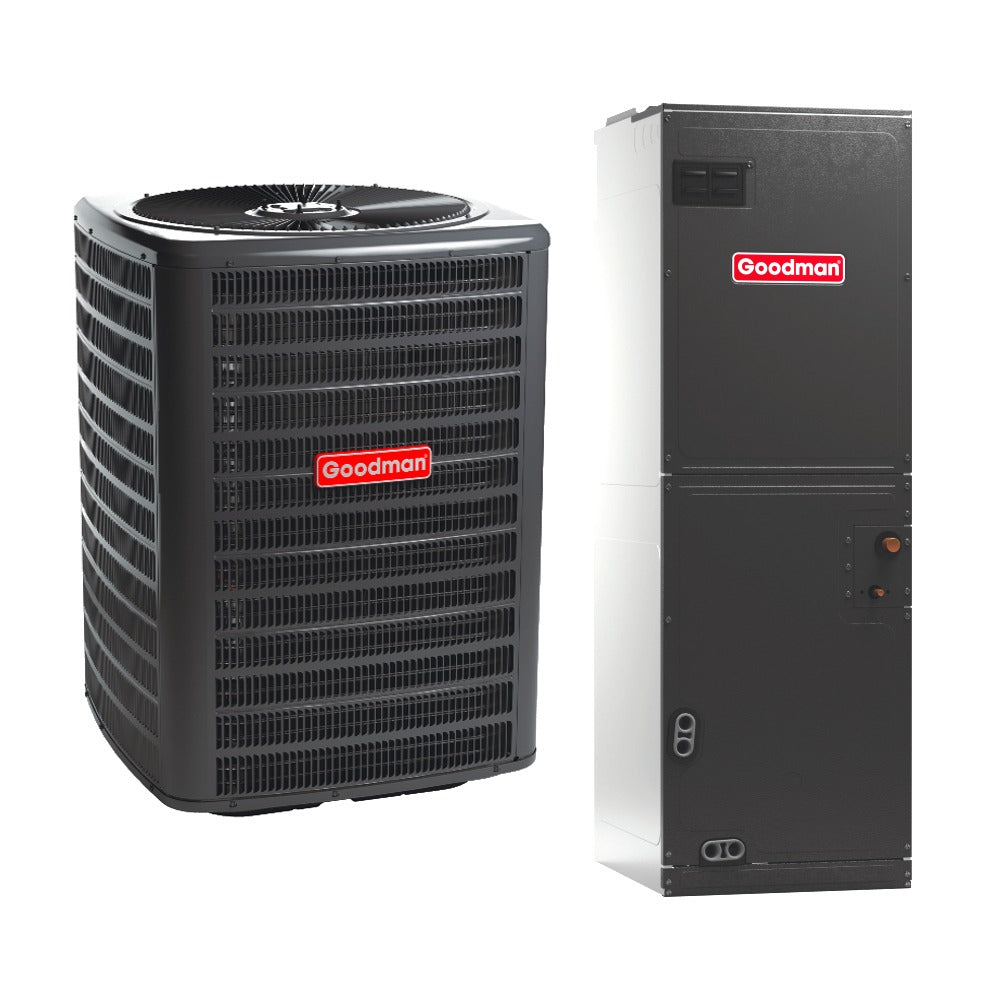

Homeowners rarely think about their air conditioning system until it stops working, starts underperforming, or costs more to operate than expected. Among the many components that make up a modern split-system air conditioner, the AC condenser is arguably one of the most critical. Knowing when to pursue AC condenser replacement, how to replace air conditioning condenser components, and understanding why matched systems like the Goodman 3‑Ton 14.5 SEER2 R‑32 bundle matter can save you time, money, and frustration.
In this comprehensive guide, we’ll explore the role of the condenser, the practical steps for replace air conditioner condenser, the performance implications of a properly maintained system, and why choosing a high-quality matched bundle is a smart decision for long-term comfort.
Understanding the AC Condenser
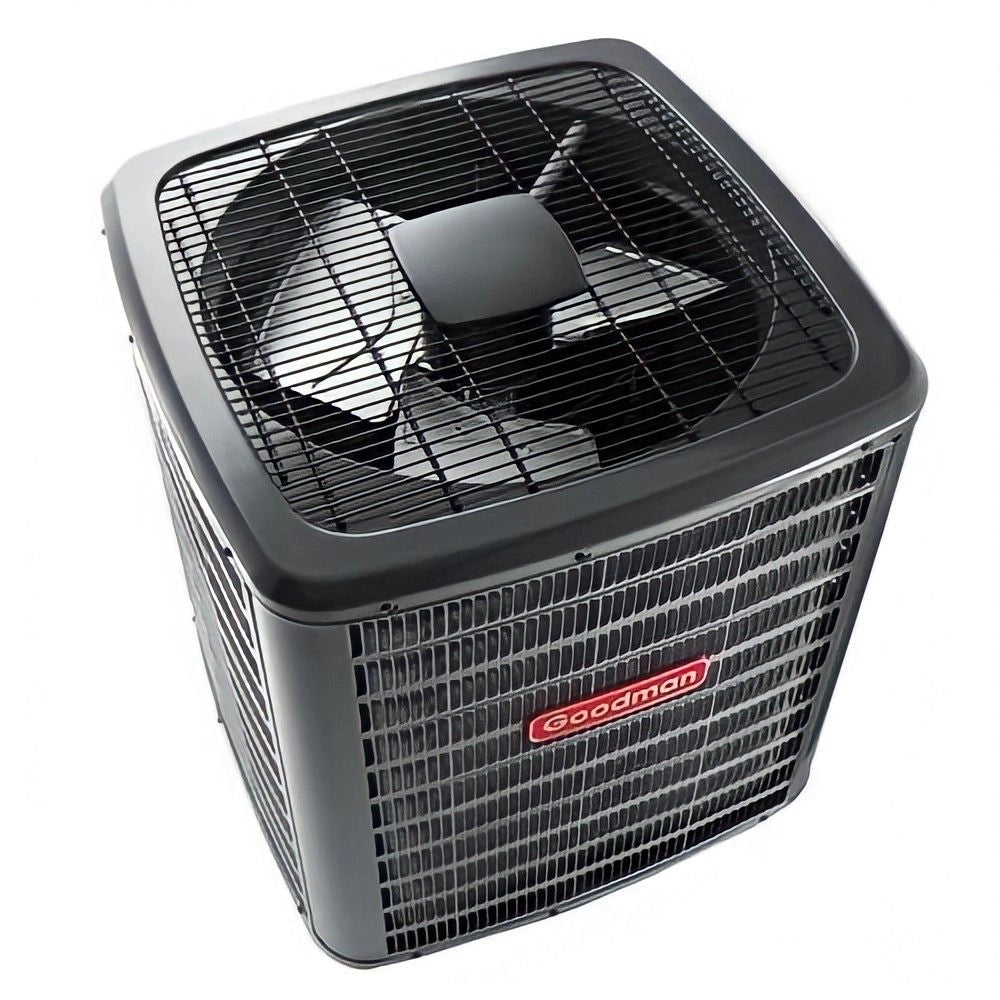
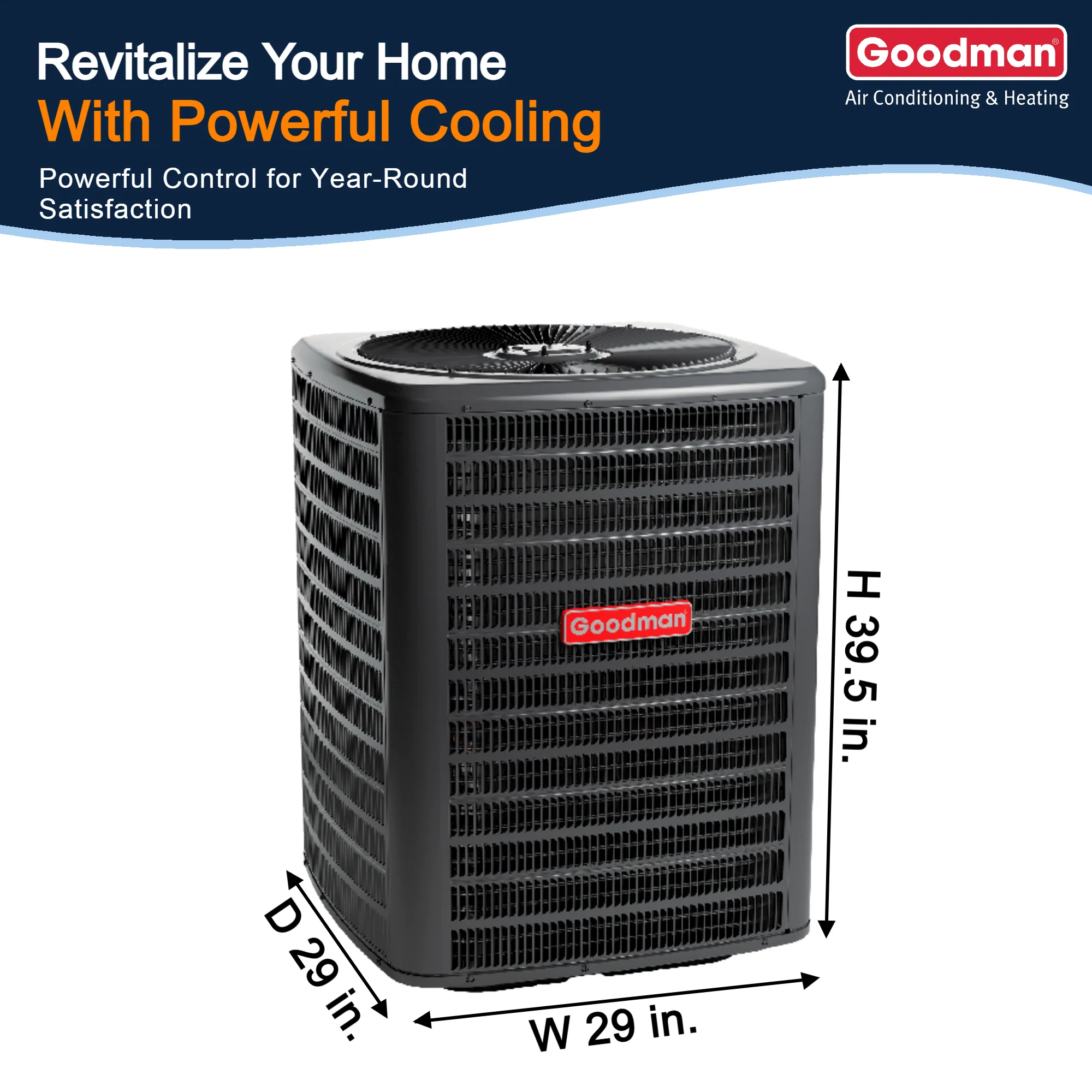
An AC condenser is the outdoor component of a central air conditioning system that dissipates heat absorbed from your home. It works in tandem with your indoor coil and air handler, forming a system that moves refrigerant in a continuous loop. When your AC is running, the condenser compresses refrigerant, expelling heat into the atmosphere and allowing the indoor coil to absorb warmth effectively.
Without a properly functioning condenser, your system struggles to maintain temperature, efficiency drops, and other components — like the compressor and air handler — are subjected to added stress. A failing condenser often presents symptoms such as:
-
Warm air blowing from vents
-
Frequent system cycling
-
Strange noises from the outdoor unit
-
Higher-than-expected energy bills
Recognizing these warning signs early is critical to prevent cascading failures that can require condenser replacement and additional component repairs.
Why You Might Need AC Condenser Replacement
AC condensers are durable, but they are exposed to weather, debris, and wear over time. Reasons for replace air conditioning condenser scenarios include:
-
Physical damage: Storms, falling debris, or accidental impacts can harm the condenser fins, coils, or housing.
-
Corrosion: Outdoor exposure, especially in humid or coastal climates, leads to rust and reduced efficiency.
-
Refrigerant leaks: Old or damaged condensers may develop leaks, compromising cooling capacity.
-
Electrical or compressor failure: While not always directly caused by the condenser, failing components can necessitate a full condenser swap.
-
Aging systems: Units older than 10-15 years may be inefficient or prone to failure, making replacement more cost-effective than repair.
When replacement becomes necessary, you face several options: repair the existing unit, replace the condenser only, or install a complete matched system. The Goodman 3‑Ton 14.5 SEER2 R‑32 bundle represents the latter option, combining the outdoor condenser and indoor coil into a single, high-efficiency package.
When to Replace an Air Conditioner Condenser
Deciding whether to replace air conditioner condenser or attempt repair is not always straightforward. Consider the following:
-
Age of the unit: Older condensers may be inefficient and incompatible with modern refrigerants, even if they are still operational.
-
Repair frequency: If service calls are frequent and costs add up, a replacement often offers better long-term value.
-
Efficiency gains: Replacing an older condenser with a modern, high-efficiency model can reduce energy consumption and utility costs.
-
Matched system benefits: Installing a standalone condenser might create mismatches in refrigerant charge or airflow if it’s not properly paired with the indoor coil.
A matched bundle, like the Goodman 3‑Ton 14.5 SEER2 R‑32 system, ensures that the outdoor condenser, indoor coil, and air handler are engineered to work together. This alignment optimizes cooling, improves reliability, and can extend the life of your system.
Benefits of the Goodman 3‑Ton 14.5 SEER2 R‑32 Condenser
When considering a condenser replacement, the quality of the new unit directly impacts efficiency, reliability, and comfort. The Goodman 3‑Ton 14.5 SEER2 R‑32 condenser offers several advantages:
-
Modern R‑32 Refrigerant: Lower global warming potential and higher efficiency than older refrigerants.
-
14.5 SEER2 Rating: Provides consistent, energy-efficient performance without overcomplicating installation or maintenance.
-
Durable Construction: Designed to resist corrosion, with robust housing and condenser coils.
-
Matched Design: Engineered to work seamlessly with the paired indoor coil, reducing risk of refrigerant imbalance or airflow issues.
-
Service-Friendly Layout: Technicians can access key components quickly, simplifying routine maintenance and repairs.
This combination of features ensures that homeowners enjoy reliable cooling, lower energy bills, and reduced long-term maintenance costs.
How to Approach AC Condenser Replacement
Replacing a condenser is not a simple DIY task. It requires technical expertise, proper tools, and adherence to HVAC regulations. A professional installer will:
-
Verify correct condenser sizing based on the home’s cooling load (Manual J calculation)
-
Disconnect refrigerant and safely handle any refrigerant recovery
-
Remove the old condenser and prepare the installation site
-
Connect electrical wiring, refrigerant lines, and ensure proper airflow
-
Charge the system with the correct refrigerant type and amount
-
Test performance to ensure efficiency and cooling capacity meet specifications
Professional installation minimizes the risk of leaks, system imbalance, or other issues that can shorten equipment life. (This Old House)
Common Mistakes to Avoid During Condenser Replacement
Even when working with high-quality equipment like the Goodman bundle, homeowners and contractors can make mistakes that compromise performance:
-
Mismatched indoor and outdoor components: Installing a new condenser with an old indoor coil can cause refrigerant imbalance.
-
Incorrect refrigerant charge: Too much or too little refrigerant reduces cooling efficiency and risks compressor damage.
-
Improper electrical connections: Can lead to unit failure or safety hazards.
-
Poor placement or airflow restriction: Condensers need clearance for proper heat dissipation. Crowding can reduce efficiency and shorten lifespan.
Following manufacturer guidelines and engaging a qualified technician reduces the likelihood of these mistakes.
Lifecycle Considerations and Maintenance
A well-maintained condenser will last for over a decade, but regular attention improves reliability and efficiency. Recommended practices include:
-
Annual inspections: Check electrical connections, refrigerant levels, and condenser coils.
-
Cleaning the condenser coil: Remove debris and dirt to maintain heat transfer efficiency.
-
Checking airflow and drainage: Ensure vents are unobstructed and condensate is draining correctly.
-
Monitoring refrigerant charge: Low refrigerant can indicate leaks and reduce cooling capacity.
Routine maintenance not only extends the life of the condenser but also protects the matched system’s overall performance, ensuring the indoor coil and air handler operate optimally.
Choosing Between Replacement and Repair
Homeowners often face a dilemma: repair the existing condenser or invest in replacement. Here’s how to evaluate:
-
Repair: Suitable for minor damage, leaks, or electrical issues on a relatively new system. Lower upfront cost but may not improve efficiency.
-
Replacement: Recommended for older units, repeated failures, or when upgrading to a more efficient system. Offers long-term savings, improved comfort, and compatibility with modern refrigerants.
The Goodman 3‑Ton 14.5 SEER2 R‑32 bundle provides a full replacement solution that addresses both efficiency and reliability in a single investment. (thefurnaceoutlet.com)
Conclusion: Why a Matched Bundle Matters
In the end, condenser replacement is about more than swapping out a failing unit. It’s about ensuring system balance, optimizing energy efficiency, and protecting the lifespan of your HVAC system. A standalone condenser may address immediate issues, but a matched system like the Goodman 3‑Ton 14.5 SEER2 R‑32 bundle provides long-term value, predictable performance, and fewer maintenance headaches.
By choosing a high-quality condenser and pairing it with a compatible indoor coil and air handler, homeowners achieve:
-
Consistent temperature control
-
Reduced energy consumption
-
Lower long-term repair costs
-
Compliance with modern refrigerant standards
Whether you are facing a failing condenser or planning a system upgrade, prioritizing AC condenser replacement through a professional, matched solution ensures comfort, reliability, and peace of mind for years to come.