
When you’re choosing or maintaining a home heating system, the deeper you understand how it works, the more confident you’ll be with diagnostics, service, and performance optimization. In this extended guide, we explore one of the unsung stalwarts of residential electric heating: the Goodman MBVK electric furnace. We’ll go beyond surface‑level specs, diving into why understanding a furnace schematic diagram matters, how to interpret the wiring and airflow logic, and how this model compares to both legacy designs and modern expectations.
Think of this as your complete furnace handbook—where practical experience meets the diagrams and schematics that make sense of what’s under the metal access panels.
1. What Is the Goodman MBVK Electric Furnace?
Before you can read a diagram furnace or interpret a furnace schematic, you have to understand what you’re looking at.
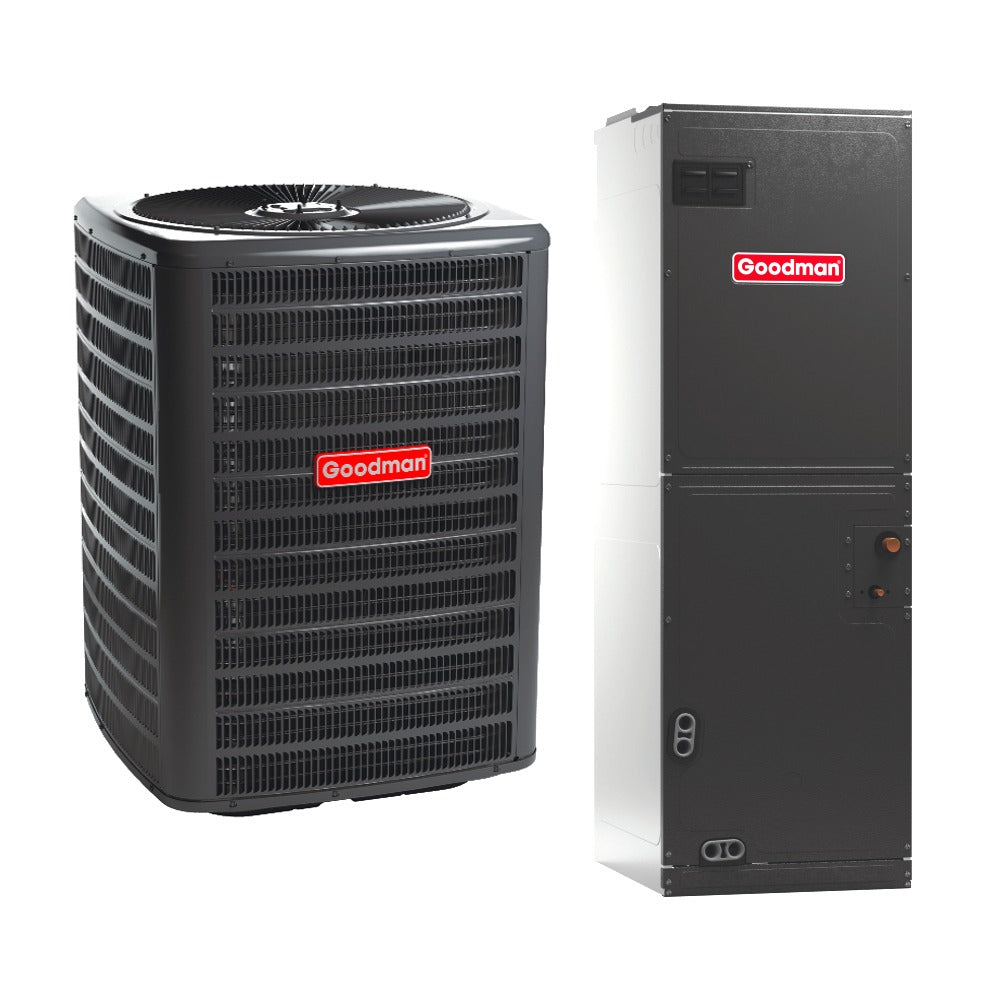
The Goodman MBVK series is an electric furnace blower module designed to provide forced‑air heating without combustion. Instead of burning fuel, this unit uses electric resistance heat strips to warm air that’s circulated through your home’s ductwork.
Key elements include:
-
A variable‑speed ECM blower motor for smooth airflow and improved efficiency.
-
A modular layout that allows installation in horizontal, upflow, or downflow orientations depending on your mechanical room or attic layout.
-
A control board capable of storing fault history and interfacing with modern thermostats including smart models.
-
Electric heat kit options sized in kilowatts (kW) that determine how much heat the system can produce.
This furnace is fundamentally different from combustion‑based systems like gas furnaces. The absence of burners and a flue simplifies both mechanical design and the related furnace schematic diagram.
2. Why a Furnace Schematic Diagram Matters
You might be asking, “I just want my home warm—why do I need to know about diagrams?” The answer is simple: a diagram empowers you to make sense of what’s happening when something goes wrong, when you’re planning maintenance, or when you’re communicating with an HVAC technician.
The MBVK itself follows a clear architectural principle:
-
Line voltage (high voltage) powers the heating elements and blower motor.
-
Low voltage (control circuits) handle thermostat calls and safety logic.
-
Safety features interrupt operation if thresholds are exceeded.
Modern electric furnace wiring, including a Goodman MBVK furnace schematic, typically separates these power domains clearly. If you’re familiar with schematic conventions, you instantly recognize where electricity enters the unit, how it flows through protective devices, and how the control board interprets thermostat signals. For example, a well‑layed out diagram furnace will show:
-
Power from the circuit breaker going to the furnace disconnect.
-
Transformers stepping down voltage to feed control circuitry.
-
Control board terminals labeled for thermostat inputs like R, C, W, and G.
-
Connections to the blower motor, safety switches, and heating elements. (Central Air Systems)
If you’re interested in studying actual wiring and control logic beyond the narrative here, the official MBVK specification sheet and wiring diagrams are invaluable. You can view factory diagrams that show terminal labels and connection flows in detail through this authoritative Goodman MBVK wiring resource. (embedded link)
3. Reading the MBVK Diagram Furnace
Let’s translate what you see in a wiring diagram into plain language.
High Voltage Path
In electric furnaces like the MBVK:
-
The first critical path begins at the main power supply—typically a dedicated 208/230 VAC line.
-
From there, circuit breakers and disconnects ensure safe access and isolation.
-
The wiring then splits: one branch feeds the blower motor, another feeds the electric heat kits (the resistance coils).
These resistance coils generate heat when energized, much like your toaster or a baseboard heater elements do.
Low Voltage Path
Low voltage wiring (often 24 VAC) is used for control signals:
-
The thermostat sends a “call for heat” via the W terminal.
-
The control board assesses whether conditions are safe and then enables relays/sequencers to energize heat kits and control the blower.
-
The G terminal from the thermostat activates the blower when needed.
-
C and R provide the power reference for the low voltage circuit.
This separation—line voltage for power, low voltage for control—is what keeps the control logic understandable and safe, which is one of the reasons many technicians find electric furnace diagrams less intimidating than gas furnace schematics.
4. How Understanding the Furnace Schematic Diagram Helps with Troubleshooting
Imagine this: your thermostat calls for heat, the blower runs, but no heat is produced. That’s a common complaint but the symptom alone doesn’t tell you what’s wrong.
When you refer to a furnace schematic diagram, you start thinking in terms of paths:
-
Is the thermostat call getting to the control board?
-
Is the heat kit relay or sequencer being energized?
-
Are the high‑current heating elements drawing power?
-
Are safety limits or airflow sensors shutting things down?
Even if you don’t open the furnace yourself, knowing where power should go, and what the diagram says about it, helps you describe the failure accurately to a professional. HVAC pros don’t just look at symptoms—they trace signals back through the schematic.
For example, a furnace that “seems powered but won’t heat” might indicate:
-
A tripped breaker on the heat kit line.
-
A high‑limit safety trip because of restricted air flow (dirty filter or blocked vent).
-
A faulty sequencer or control board not sending power to the heat strips.
That kind of reasoned approach—rooted in understanding how the furnace schematic routes power and commands—is what separates guessing from informed action.
5. How the MBVK Diagram Furnace Compares to Other Systems
Many people come to the Goodman MBVK after dealing with older or alternate furnace types—like gas units or smaller mobile home electric furnaces.
Key differences in the MBVK’s approach include:
-
No combustion components: no flame sensors, gas valves, or burners.
-
Separate line and low voltage circuits: fewer mixed signals.
-
Modular design: separate blower and heat kits that snap together cleanly.
-
Modern control board: integrated logic replaces some relay stacks seen in older models.
For technicians trained on schematic reading, this means:
-
The furnace schematic diagram is easier to follow.
-
There are fewer hidden interlocks and mechanical dependencies.
-
Safety logic is primarily electrical rather than mechanical or pneumatic.
That simplicity does not mean it’s “basic” or “unsophisticated”—it just means the logic is clearly presented, which is a hallmark of good engineering.
6. Typical MBVK Maintenance and What the Diagrams Reveal
Routine maintenance on any furnace often starts by referencing the schematic. Why? Because the diagram tells you what every wire and component is responsible for.
Here’s how that translates into practical checks:
Air Filters and Airflow
While not part of the schematic itself, restricted airflow directly affects control logic. The furnace’s safety limits will shut off heat if air can’t carry it away. That’s something you see reflected in the diagram furnace as safety switch placements.
Blower and Motor Path
In the diagram, the blower motor has its own fuse or protection device. If the blower runs erratically or not at all, tracing that circuit on the diagram tells you which components the control board should be energizing, and where to test.
Heat Kits and Sequencers
The heating elements are individual coils. On the furnace schematic diagram, you see each one fed through sequencers or relays. If an element fails, the diagram tells you:
-
Which relay should energize it.
-
What upstream safety device might interrupt it.
-
How the thermostat’s call intersects with the control signals.
That’s why technicians often say you aren’t troubleshooting wires—you are troubleshooting power paths and control logic.
7. Upgrading Controls and Smart Thermostats
One advantage of understanding the MBVK’s diagram furnace architecture is recognizing how modern thermostats interact with it. While the furnace itself doesn’t require advanced thermostat features, compatibility with smart or communicating thermostats lets you:
-
Program heat staging (if multiple kits are installed).
-
Diagnose call patterns more precisely.
-
Integrate HVAC scheduling into broader home automation tasks.
Again, from a wiring perspective, the thermostat still uses standard terminals (R, W, G, C, etc.). The furnace schematic diagram doesn’t fundamentally change—it just shows where those thermostat connections land on the control board.
8. Safety First: Interpreting Diagrams Responsibly
A final word on diagram furnace use: these schematics are tools, not manuals of modification. Understanding how to read them improves safety and comprehension, but you should always:
-
Disconnect power before accessing furnace internals.
-
Respect line voltage circuits (they can be lethal).
-
Reserve high‑voltage work for licensed professionals.
-
Use diagrams for diagnosis, not guesswork.
The good news is that even a high‑level understanding of an electric furnace’s schematic enhances your ability to communicate about issues effectively and avoid costly mistakes.
9. Conclusion: Mastery Through Understanding
The Goodman MBVK electric furnace is an excellent example of how modern HVAC design blends performance with clarity in control logic. Whether you’re a homeowner looking to understand routine issues or a technician referencing a furnace schematic diagram to troubleshoot a complex problem, mastering these diagrams provides confidence and precision.
From identifying where the thermostat call enters the system to tracing how heat is controlled and delivered, the MBVK’s architecture rewards thoughtful study. If you adopt the approach of every wire and component having a distinct reason for existing—clearly shown in the furnace schematic—you’ll find HVAC conversations are less mystifying and more empowering.
For people ready to dive deeper into wiring and installation specifics, the Goodman MBVK diagrams and manuals provide the factual foundation that backs everything discussed here. (embedded link)
Your next step? Look at the diagram and follow the current. Once you’re seeing how electricity flows from breaker to blower and heat kits, you’ll appreciate why diagrams aren’t just lines on paper—they’re the logic map of your furnace’s operational heart.