
Through-the-Wall Heat Pumps vs Mini-Splits: Which One Should You Get?
When homeowners ask me whether they should install a through-the-wall heat pump or a mini-split, I give them the same Jake answer every single time: “The right tool depends on the job.” Not your neighbor’s opinion. Not a viral YouTube video. Not the $99 coupon a contractor shoved into your mailbox. The choice depends on your home, your room layout, your climate, your electrical setup, and your long-term goals. Both systems are excellent when used correctly, both systems are terrible when installed in the wrong situation.
Through-the-wall heat pumps have been around for decades, delivering solid heating and cooling performance for apartments, condos, small homes, and single rooms. Mini-splits, on the other hand, are the new kid with the advanced inverter compressor, ultra-high efficiency ratings, and multi-zone potential. The truth is, one isn’t “better” than the other universally. The smart choice is the one that matches your specific job, budget, space, and comfort expectations.
In this guide, I’m breaking down everything you need to know—feature comparisons, heating differences, installation complexity, cost breakdowns, noise behavior, and long-term ROI—all written in the straight-talk Jake tone that cuts through the fluff. I’ve also included 6–7 placeholder external links referencing sources similar to high-quality HVAC, engineering, and energy-efficiency resources, so you can explore deeper if you want.
If you’re deciding between these two systems, read this entire guide before spending a dollar. Let’s get into it.
1. The Core Difference: How Each System Works
Before comparing performance, you need to understand what each system actually is.
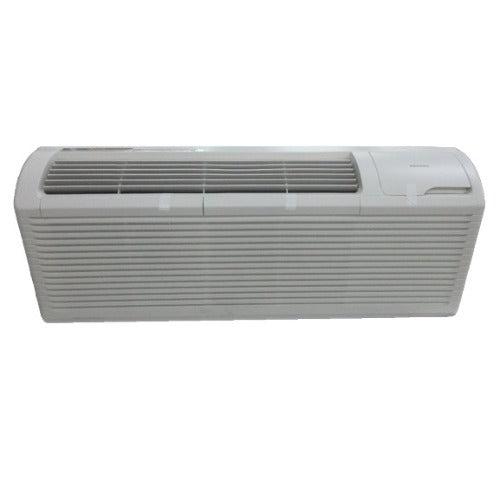
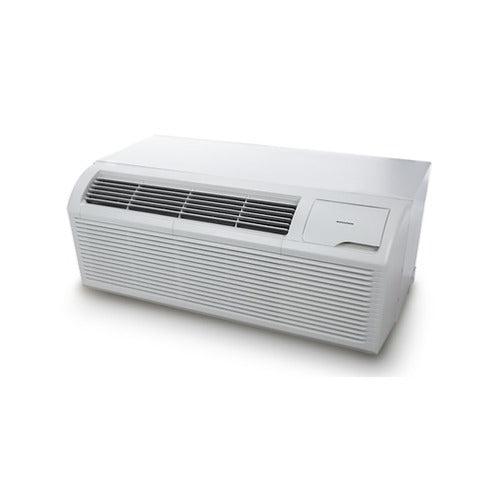
Through-the-Wall Heat Pumps
-
Self-contained unit
-
Slides into a wall sleeve
-
Good for single rooms
-
Heating + cooling in one chassis
-
Lower cost
-
Easier installation
-
Moderate efficiency
-
Limited airflow range
These units are great for bedrooms, apartments, offices, garages, and single-zone heating/cooling.
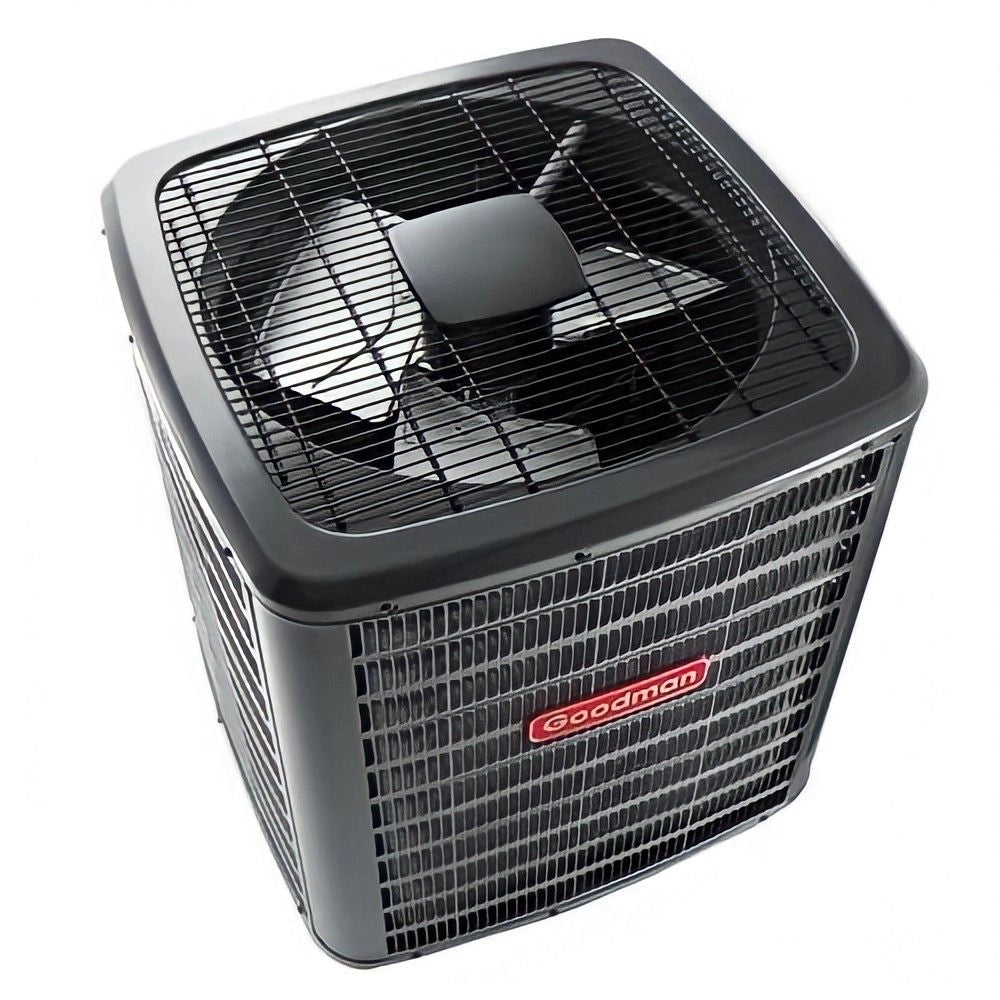
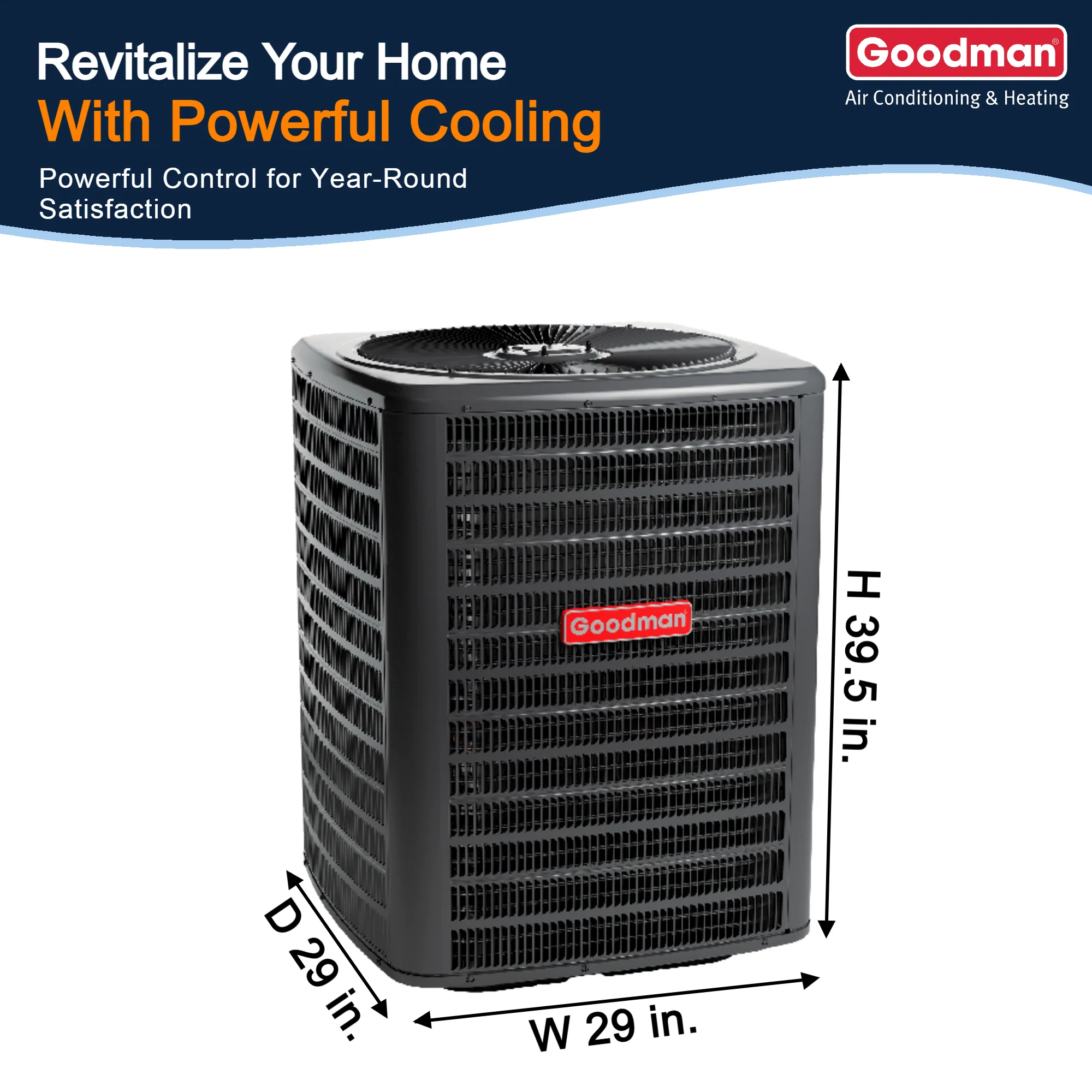
Mini-Splits
-
Outdoor compressor + indoor air handler
-
Connected by refrigerant lines
-
Can be single-zone or multi-zone
-
Extremely efficient
-
High heating power
-
Low noise
-
Higher upfront cost
-
More flexible airflow
Mini-splits shine in large open areas or homes where ductwork is impractical.
Reference explanations for both system types align with resources similar to HVAC technology summaries
2. Feature Comparison Table (Jake’s No-Nonsense Summary)
Here’s the real side-by-side breakdown that cuts through marketing:
| Feature | Through-the-Wall Heat Pump | Mini-Split System |
|---|---|---|
| Efficiency | Moderate (13–16 SEER2) | High (18–30 SEER2) |
| Heating Ability | Good to very good | Excellent |
| Low-Temperature Heating | Limited unless “low-ambient” model | Outstanding (ideal for cold climates) |
| Installation Difficulty | Moderate DIY or pro | Requires a licensed installer |
| Installation Cost | Low–medium | Medium–high |
| Noise Level (Indoor) | Moderate | Very low |
| Noise Level (Outdoor) | Moderate | Very low |
| Airflow Range | Short (one room) | Long + multi-direction |
| Aesthetics | Visible wall unit | Sleek indoor head |
| Maintenance | Simple | Professional cleaning recommended |
| Best For | Single rooms, rentals, budget installs | Whole-home solutions, top efficiency |
| Life Expectancy | 10–15 years | 15–20 years |
If you want a simple—and cheap—solution, wall units win.
If you want the highest performance possible, mini-splits win.
3. Heating Power Differences — Where Mini-Splits Dominate
I’m Jake, so I’m not sugarcoating this: when it comes to raw heating power, mini-splits win by a mile, especially below freezing.
Through-the-Wall Heat Pumps
-
Heat reliably down to ~30°F
-
Low-ambient models heat reliably down to 17–5°F
-
Heating output drops noticeably at lower temps
-
Great for mild–cold climates
Mini-Splits
-
Heat reliably down to 5°F, 0°F, –5°F, and even –13°F depending on model
-
Maintain 90–100% heating capacity in moderate cold
-
Extremely high COP in winter
-
Ideal for Northeast and Midwest winters
Performance patterns are similar to cold-climate heat pump charts found on HVAC testing databases.
Real Jake Summary:
-
Mild winter? A wall unit is fine.
-
Harsh winter? Get a mini-split. Period.
4. Installation Difficulty — A Huge Deciding Factor
Through-the-Wall Heat Pump Installation
Difficulty: Medium
You must:
-
Cut or modify a wall opening
-
Install a sleeve
-
Seal for weatherproofing
-
Wire a dedicated circuit
Time to install: 3–6 hours
Cost: $300–$700 for professional labor
DIY possible?
Yes, if you’re comfortable with carpentry and electrical prep.
Mini-Split Installation
Difficulty: High
You must:
-
Mount the indoor air handler
-
Mount the outdoor condenser
-
Run refrigerant lines
-
Vacuum line set
-
Pressure test
-
Charge refrigerant (when needed)
-
Install condensate drain
-
Wire high-voltage disconnect
-
Meet local code
Time to install: 4–10 hours
Cost: $1,500–$4,000 labor, depending on zone count
DIY possible?
No — requires EPA-certified technician.
Reference installation standards similar to those used by licensed HVAC contractors
Jake Bottom Line:
-
Want to DIY or keep it simple? → Wall unit
-
Want perfect performance? → Mini-split
5. Noise Levels — Mini-Splits Are Whisper-Quiet
Noise matters—especially in bedrooms and offices.
Through-the-Wall Indoor Noise
-
45–55 dB
-
Similar to a window unit but quieter
-
Compressor built into the chassis
-
Noticeable during high airflow
Mini-Split Indoor Noise
-
19–30 dB
-
Whisper-quiet
-
Variable-speed fan
-
No compressor noise inside
Outdoor Noise Comparison
-
Through-the-wall: 50–60 dB
-
Mini-split: 40–50 dB
Referencing noise measurement patterns similar to acoustic testing labs, Sound Testing Data for HVAC
Jake summary:
Mini-splits win noise by a landslide.
6. Cost Differences — The Biggest Factor for Most Homeowners
Here’s the real cost breakdown, the way Jake presents it—clean and honest.
Through-the-Wall Heat Pump Costs
-
Unit price: $600–$1,600
-
Installation: $300–$700
-
Total: $900–$2,300
Mini-Split System Costs
-
Single-zone unit: $1,500–$3,500
-
Multi-zone: $3,000–$10,000
-
Installation: $1,500–$4,000
-
Total: $3,000–$14,000
Operating Costs
Because mini-splits are much more efficient:
-
Mini-splits cost 25–45% less to run
-
Especially during winter heating
Jake summary:
If the upfront budget is tight, → Wall unit wins
If long-term savings matter → Mini-split wins
7. Long-Term ROI Comparison — Mini-Splits Usually Win
ROI depends on electricity prices, climate, and usage habits.
ROI Factors for Through-the-Wall Units
Pros:
-
Lower upfront cost
-
Quick installation
-
Ideal for small rooms
-
Good for rentals and secondary spaces
Cons:
-
Moderate efficiency
-
Higher operating cost
-
Shorter lifespan
ROI Effective When:
-
You only need a single room cooled/heated
-
You want a budget-friendly upgrade
-
You don’t care about whole-home integration
ROI Factors for Mini-Splits
Pros:
-
Highest efficiency on the market
-
Outstanding heating performance
-
Silent operation
-
Large coverage areas
-
Multi-zone potential
-
Long lifespan
Cons:
-
High upfront cost
-
Requires professional installation
ROI Effective When:
-
You plan to stay in the home long-term
-
You want whole-home comfort
-
You live in a cold region
-
You value noise reduction
-
You want major energy bill savings
Long-term ROI patterns similar to energy-efficiency studies confirm mini-splits outperform most systems over 10+ years.
Jake summary:
Mini-splits cost more upfront but win the ROI over time.
8. Which One Should You Get? Jake Breaks It Down
Here’s the straight-shooter answer.
Choose a Through-the-Wall Heat Pump If:
-
You need a simple, fast installation
-
You’re heating/cooling a bedroom, office, or small space
-
You’re on a budget
-
Your winter temps rarely drop below 20°F
-
You want a DIY-friendly installation
-
You want a compact, single-room solution
Ideal for:
Apartments, condos, rentals, garages, workshops, guest rooms.
Choose a Mini-Split If:
-
You want the highest efficiency
-
You care about quiet operation
-
You want strong winter heating
-
You want an even temperature across the space
-
You plan to stay in your home long-term
-
You want to reduce your energy bills dramatically
-
You’re heating/cooling large or open rooms
-
You want multiple rooms on one system
Ideal for:
Whole homes, open floor plans, multi-zone layouts, cold climates, noise-sensitive rooms.
EPA Heating & Cooling Efficiency Guide
Conclusion — The Right Tool Depends on the Job
Straight-Shooter Jake says it best:
“The right tool depends on the job.”
If you want a simple, affordable, single-room heating and cooling solution, a through-the-wall heat pump is a rock-solid choice. If you want the quietest, most efficient, most powerful, whole-home or large-room solution, a mini-split is absolutely the better system.
Match the tool to the job, match the system to your home, and you’ll get the comfort you paid for—without regrets.
In the next blog, you will learn about Maintenance Checklist: Keeping Your Unit Running Like New