
PTAC vs Mini-Split vs Window AC: What Makes 9k PTACs Unique?
By Jake — the guy who actually installs PTACs, mini-splits, and window units in real buildings where real people live, sleep, and complain about noise or comfort the second something feels off. If you’re tired of vague comparisons, marketing fluff, and HVAC “advice” from people who haven’t touched a manometer since dial-up internet, buckle up. This guide is the real field-engineered comparison between 9k PTAC units, 9k mini-splits, and 9k window ACs — what they actually do, how they install, how much they cost, how they heat and cool, and where each one belongs.
If you’re a property manager, hotel owner, rehab contractor, landlord, or DIYer trying to choose the right 9k BTU cooling option, this is the no-BS analysis you’ve been waiting for. I’m breaking down:
-
Cooling efficiency differences
-
Heating capability comparison
-
Installation cost breakdown
-
Best use cases for each
-
What 9k PTACs actually do better than anything else
-
When a mini-split annihilates both in performance
-
When a window AC is the “good enough” choice
1. Why Compare 9k PTACs, Mini-Splits & Window ACs?
A 9k BTU cooling capacity hits the sweet spot for:
-
Hotel rooms
-
Small offices
-
Bedrooms
-
Studio apartments
-
Guest suites
-
Garage conversions
But while they share a BTU rating, the way each system delivers cooling and heating is completely different. BTUs may be equal, but performance, cost, noise, and efficiency are not.
Here’s the core difference:
-
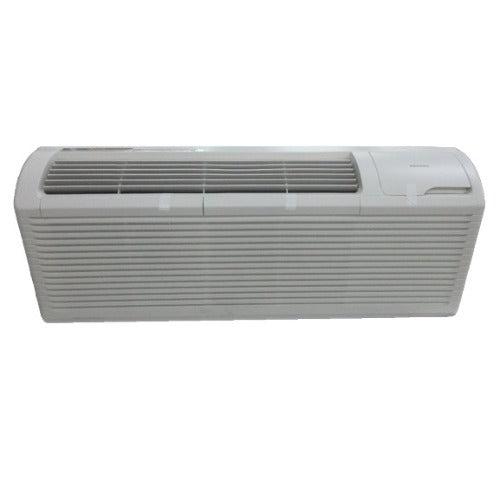
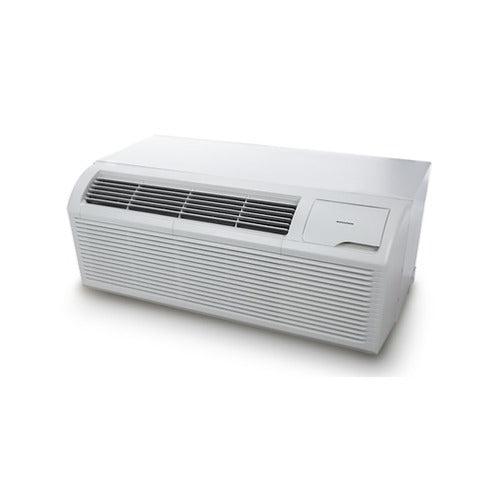
PTACs are self-contained heating/cooling appliances used in commercial environments, through-the-wall installations, and high-turnover spaces.
-
Mini-splits are the performance kings, delivering the best efficiency, quietest operation, and best comfort — at the highest install cost.
-
Window ACs are the budget option: cheap, disposable, and “good enough” in the right rooms.
To make this comparison factual and grounded, you can reference the U.S. Department of Energy’s efficiency standards here:
Energy.gov Cooling Equipment Efficiency Basics – https://www.energy.gov/energysaver/room-air-conditioners
Now, let’s break these systems down piece by piece.
2. Cooling Efficiency Comparison (EER, SEER, CEER — Jake’s Real-World Breakdown)
Cooling efficiency determines how much comfort you get per watt of electricity. This is where most people misunderstand the PTAC vs mini-split vs window AC comparison.
Here’s the truth:
Mini-splits are the most efficient.
Window ACs are in the middle.
PTACs are the least efficient — but still the best choice in many applications.
Let’s break the numbers down.
2.1 Mini-Split Cooling Efficiency (The Champ)
Typical 9k mini-split cooling efficiency:
-
SEER2: 18–25
-
EER2: 9.5–12
-
CEER: Not rated (room units only)
Mini-splits use inverter compressors, meaning they throttle up or down to match demand instead of turning on/off at full blast.
This cuts energy use dramatically.
You can verify inverter efficiency on Energy Star’s documentation:
Energy Star Ductless Mini-Split Guide – https://www.energystar.gov/products/heating_cooling/ductless_heating_cooling
Real-world cooling cost for a 9k mini-split:
$0.10–$0.18 per hour
2.2 Window AC Efficiency (Middle of the Pack)
Typical 9k window AC efficiency:
-
CEER: 11–14
These units have improved a lot, especially Energy Star models.
However, they:
-
Leak air around the edges
-
Have smaller evaporator/condenser coils
-
Run at fixed speed
-
Are louder
Real-world cooling cost:
$0.20–$0.35 per hour
2.3 PTAC Cooling Efficiency (Workhorse Performance)
Typical 9k PTAC efficiency:
-
EER: 9–11 (older models sometimes 8.5–10)
-
SEER: Not applicable
-
CEER: Not rated
PTACs aren’t designed for maximum efficiency. They’re designed for:
-
Durability
-
Serviceability
-
Heavy-duty operation
-
Continuous runtime
-
Guest turnover
They prioritize reliability over peak efficiency.
Real-world cooling cost:
$0.28–$0.45 per hour
If you want to confirm PTAC efficiency standards, you can use Amana’s performance listings here:
Amana HVAC PTAC Specifications – https://www.amana-hac.com/products
3. Heating Capability Comparison (Heat Pumps vs Electric Heat Strips)
Heating performance is where the gap between these systems explodes. Cooling is surprisingly similar, but heating is wildly different.
Let’s break down the heating side of the equation.
3.1 Mini-Split Heating (Clear Winner)
Most 9k mini-splits use heat pump heating with:
-
HSPF2: 9–12
-
Heating performance down to 5°F or even lower
-
Inverter compressor maintaining stable heat output
-
Extremely low heating cost
Mini-splits are the undisputed heating efficiency champions in the 9k BTU world.
Heating cost:
$0.10–$0.20 per hour
You can verify heat pump heating efficiency on Energy.gov:
Energy.gov Heat Pump Systems – https://www.energy.gov/energysaver/heat-pump-systems
3.2 PTAC Heating (Two Flavors)
PTACs heat using one of two methods:
Option A: Heat Pump PTAC
Decent heating down to 30–35°F
Efficiency far better than strip heat
Heating cost: $0.20–$0.35/hr
Option B: Electric Heat Strip PTAC
100% electric resistance heating
Heating cost depends on heat strip size:
-
2 kW strip → $0.30/hr
-
3.5 kW strip → $0.53/hr
-
5 kW strip → $0.75/hr
Electric heat = most expensive heating type.
Jake’s rule:
PTAC heat pumps are great for mild winters.
Electric strip units are space heaters disguised as wall appliances — expensive but necessary in some regions.
3.3 Window AC Heating (Spoiler: It’s Bad or Nonexistent)
Most 9k window units:
-
Don’t offer heating at all
-
Offer only electric resistance heat
-
Offer extremely poor heat pump performance (if included)
They are NOT reliable heat sources.
Heating cost (if they have heat strips):
$0.40–$0.75/hr
4. Installation Cost Differences (Real Labor, Real Costs, No Guessing)
Manufacturers love to say their installations are “easy.” Let me clear that up with real numbers.
4.1 PTAC Installation Cost (Medium Cost, Heavy-Duty Work)
A proper PTAC installation involves:
-
Wall sleeve
-
Exterior grille
-
Dedicated electrical circuit
-
Wall cut (if not already there)
-
Structural support
-
Caulking and sealing
-
Chassis installation
Typical install cost ranges:
-
Sleeve already exists: $350–$600
-
New installation: $1,100–$1,900
PTACs sit perfectly between mini-splits and window ACs in install price.
You can read NEC electrical code requirements referenced for PTAC circuits here:
NFPA NEC Electrical Code – https://www.nfpa.org/NEC
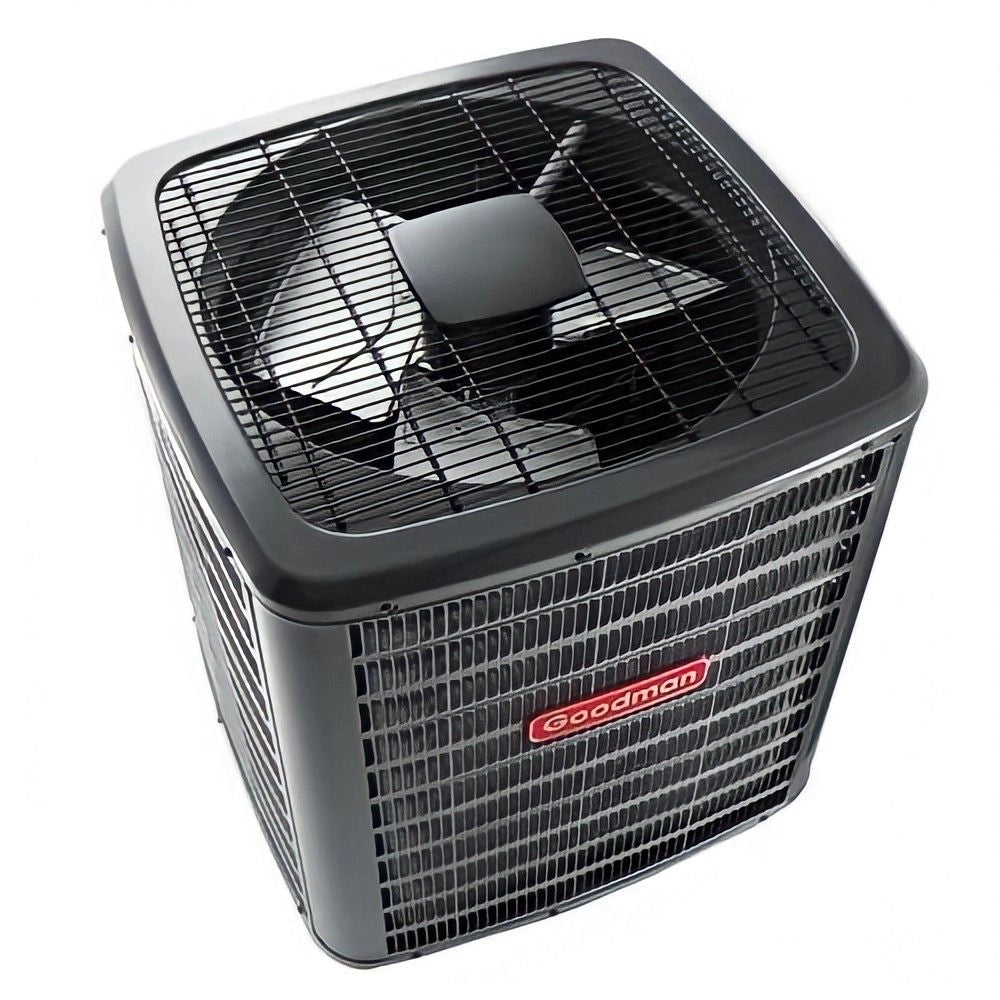
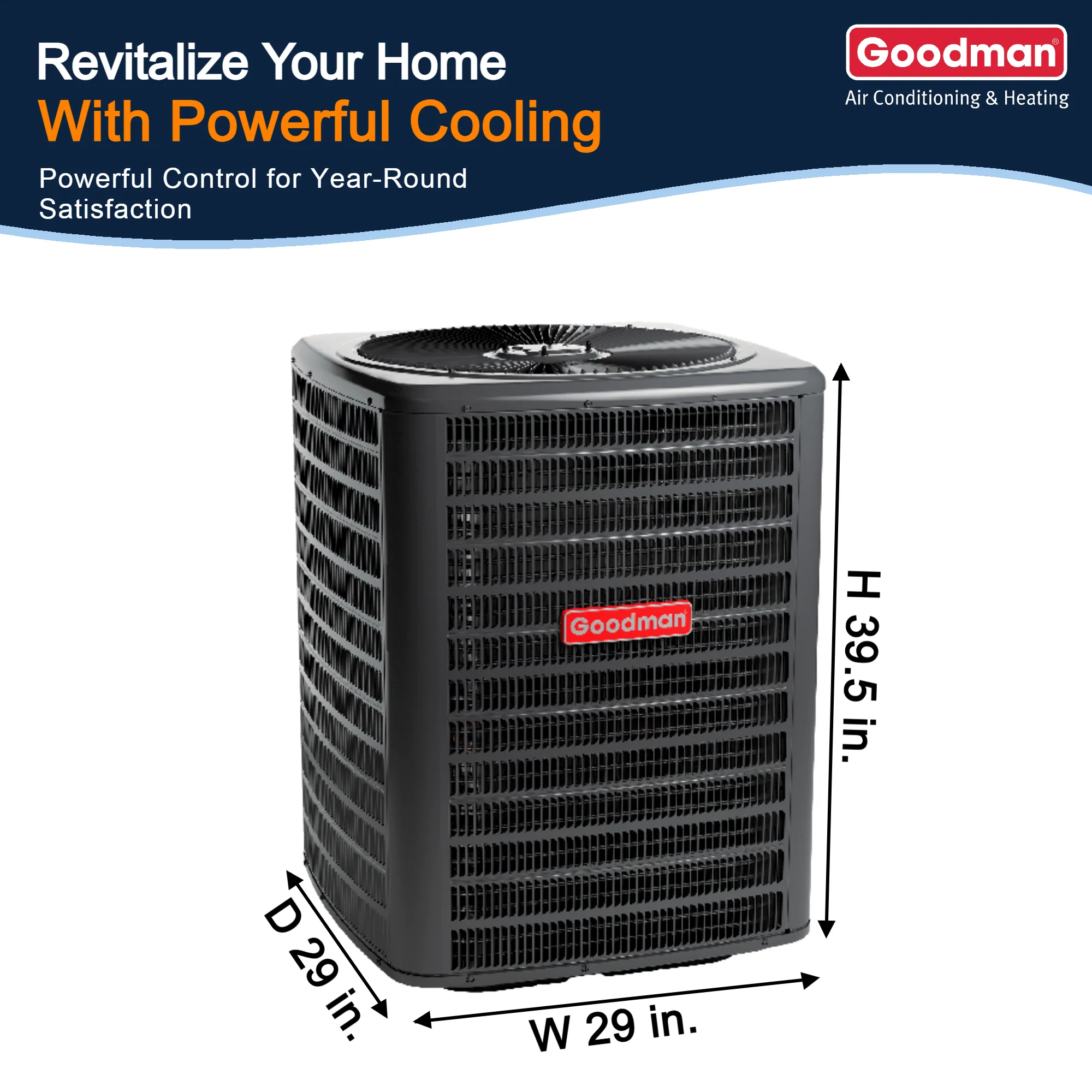
4.2 Mini-Split Installation Cost (Highest but Best Performance)
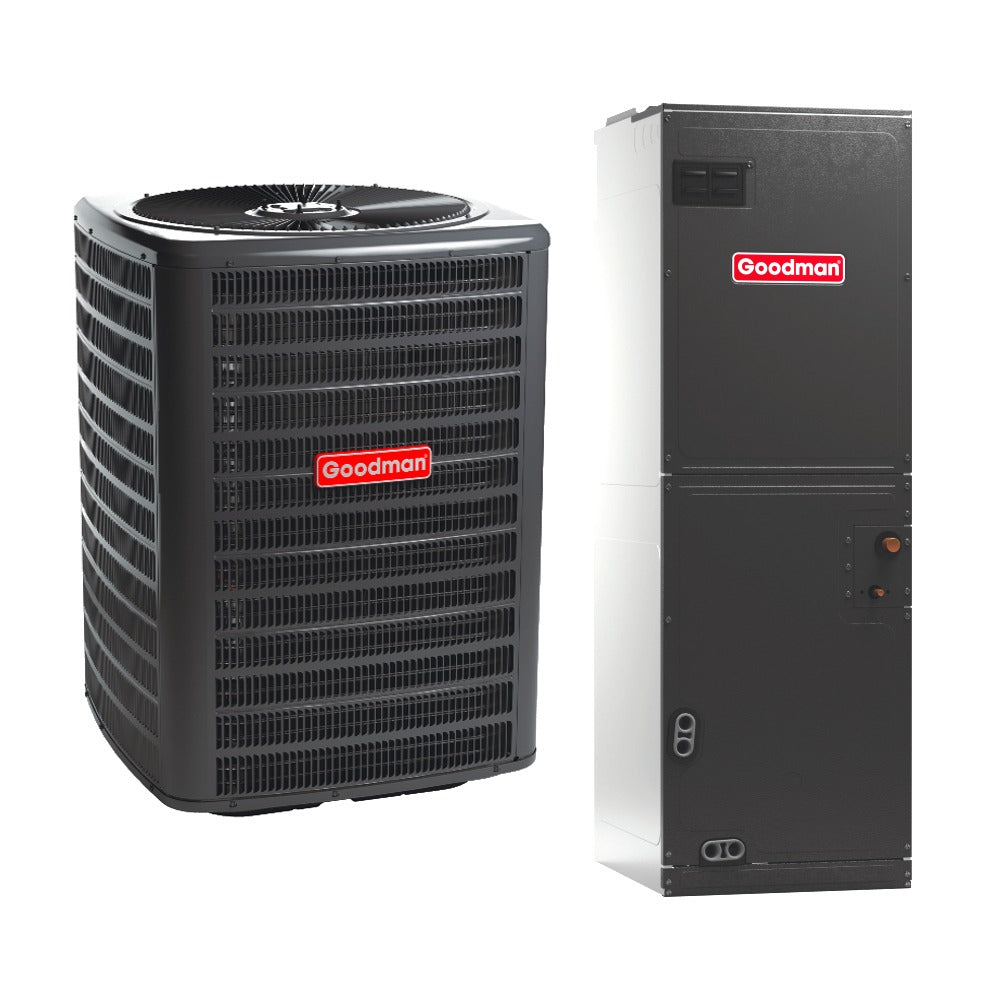
Mini-splits require:
-
Outdoor condenser
-
Indoor air handler
-
Refrigerant lines
-
Vacuum pump setup
-
Flare fittings
-
Communication wiring
-
Drain line
-
Wall bracket or pad
Typical install cost:
-
Single-zone 9k mini-split: $2,800–$5,500
They’re pricey — but unmatched in comfort.
4.3 Window AC Installation Cost (Cheapest)
Window units are affordable because:
-
No electrician required
-
No wall cutting
-
No refrigerant work
-
Minimal labor
Typical cost:
-
$50–$100 installation
-
Many people install them themselves
They win the “cheap and fast” category every time.
5. Best-Use Cases (Where Each System Actually Belongs)
This is where most buyers make mistakes — they choose a system based on price or efficiency alone, not application.
Let’s fix that.
5.1 Best Uses for 9k PTAC Units
PTACs win in:
-
Hotels & hospitality
-
Senior living
-
Student housing
-
Commercial buildings
-
High-turnover environments
-
Spaces needing individual room control
-
Retrofits where a through-wall opening already exists
Why they shine:
-
Durable
-
Serviceable
-
Long-life interchangeable chassis
-
Low downtime
-
Easy replacement
-
Independent room controls
A 9k PTAC is the king of commercial single-room climate control.
5.2 Best Uses for 9k Mini-Splits
Mini-splits win everywhere comfort matters most:
-
Bedrooms
-
Living rooms
-
Offices
-
Studios
-
Additions
-
Sunrooms
-
Whole-home retrofits
-
Garages turned into living spaces
Why they dominate:
-
Ultra quiet
-
Best efficiency
-
Best heating performance
-
Precision temperature control
-
Lowest operating cost
If you want the best comfort and don’t mind paying for installation, mini-splits are unbeatable.
5.3 Best Uses for 9k Window ACs
Window units win in:
-
Temporary cooling
-
Rentals where efficiency isn’t top priority
-
Budget projects
-
Small bedrooms
-
Seasonal use
-
Low-investment properties
Why they work:
-
Cheap
-
Simple
-
No electrician needed
-
Easy to replace
They’re the “just make the room cold” option.
6. Durability & Maintenance Comparison
Let’s talk lifespan and serviceability — the stuff manufacturers gloss over.
6.1 PTAC Lifespan & Serviceability
PTACs are built for abuse.
Typical lifespan: 8–12 years
With good maintenance: 15+ years
Serviceability advantages:
-
Slide-out chassis
-
Replaceable control board
-
Replaceable fan motor
-
Replaceable heater
-
Interchangeable parts across models
Hotels love PTACs because you can replace an entire chassis in 5 minutes.
Here’s Amana’s PTAC maintenance page for reference:
Amana PTAC Resources – https://www.amana-hac.com/resources
6.2 Mini-Split Lifespan & Serviceability
Typical lifespan: 12–20 years
Mini-splits last the longest because:
-
Variable speed reduces wear
-
Fewer start/stop cycles
-
Outdoor compressor is isolated
Service costs are higher, but frequency is low.
6.3 Window AC Lifespan & Maintenance
Typical lifespan: 3–7 years
They are:
-
Cheap
-
Non-serviceable
-
Disposable
If they break, you replace them. Nobody repairs a 9k window AC.
7. Noise Level Comparison (Where Reality Cracks People Up)
Let’s keep this short and sweet:
Quietest → Loudest
Mini-split → PTAC → Window AC
Mini-split noise levels:
-
Indoor: 19–32 dB
-
Outdoor: 45–55 dB
PTAC noise levels:
-
Indoor: 42–55 dB
-
Compressor is inside the chassis, which increases sound transmission.
Window AC noise levels:
-
Indoor: 50–65 dB
-
They are loud — period.
You can confirm acoustic data through OSHA’s noise reference (useful for comparison):
OSHA Noise Overview – https://www.osha.gov/noise
8. Temperature Control & Comfort Differences
Comfort is not just temperature — it’s humidity, airflow, noise, and stability.
Mini-split comfort: A+
PTAC comfort: B
Window AC comfort: C
Mini-splits use:
-
Inverter technology
-
Larger coils
-
Precise sensors
PTACs are surprisingly good with:
-
Heat pump versions
-
Good airflow
-
Stable temperature swings
Window ACs are the least comfortable because:
-
They cycle on/off
-
Temperature fluctuates
-
Airflow is harsh
-
Coils frost easily in humid climates
9. Environmental Impact Comparison
Mini-splits: Best
Lowest energy use and smallest environmental footprint.
PTACs: Moderate
More durable → less landfill waste
But lower efficiency → more energy use
Window ACs: Worst
Short lifespan + moderate efficiency = highest waste rate
10. Real Operating Cost Comparison (Per Hour)
Based on U.S. average electricity pricing:
Cooling
-
Mini-split: $0.10–$0.18/hr
-
PTAC: $0.28–$0.45/hr
-
Window AC: $0.20–$0.35/hr
Heating
-
Mini-split heat pump: $0.10–$0.20/hr
-
PTAC heat pump: $0.20–$0.35/hr
-
PTAC electric strip: $0.30–$0.75/hr
-
Window AC heat strip: $0.40–$0.75/hr
If heating is your main concern, mini-splits destroy the competition.
Conclusion
After years of installing all three systems, here’s the no-BS summary:
**PTACs are not the most efficient.
PTACs are not the quietest.
PTACs are not the cheapest.**
So what makes them unique?
Reliability + Replaceability + Independence.
A 9k PTAC offers:
-
Independent temperature control per room
-
Easy five-minute chassis replacement
-
Heating + cooling in one box
-
Perfect fit for hotels, motels, senior living, and commercial rooms
-
Dedicated operation without affecting other rooms
-
Through-the-wall durability that window ACs can’t match
-
Simple maintenance without refrigerant work
-
Built-to-last commercial design
A mini-split is the right choice when:
-
You want maximum comfort
-
You care about long-term savings
-
You want quiet operation
-
You want the best heating
A window AC is the right choice when:
-
You need cooling today
-
You need it cheaply
-
You don’t care about long-term performance
A PTAC is the right choice when:
-
You want durability
-
You want serviceability
-
You want independent room control
-
You want a commercial-grade solution
-
You already have a wall sleeve
That’s what makes 9k PTACs unique — they solve a problem mini-splits and window ACs weren’t designed to solve.
This has been No-BS Jake — telling you what the HVAC brochures won’t, saving you from the wrong equipment, and giving you the truth based on real installations, not marketing.
In the next blog, you will learn about Heating Efficiency Breakdown: Heat Pump vs Strip Heat Operating Costs