
Airflow & Placement: Installing Your Unit in the Right Spot
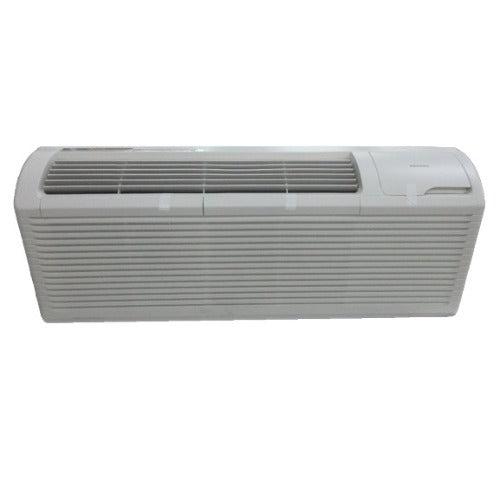
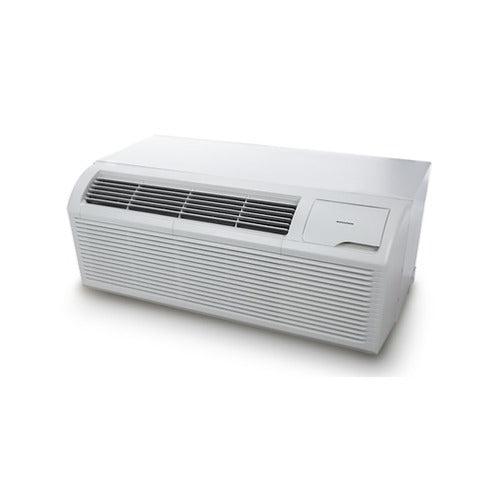
If I could drill one truth into every homeowner’s mind, it’s this: airflow makes or breaks your comfort. You can buy the right BTU size, install the sleeve perfectly, and wire the system flawlessly—but if you put the heat pump in the wrong spot, the entire system underperforms. Airflow is physics, not preference. Where you place your through-the-wall heat pump determines how well it cools, how evenly it heats, how quiet it runs, and how efficiently it circulates conditioned air throughout the space.
I’m Jake, and after years of troubleshooting comfort complaints, I can tell you the root cause is almost always a poor airflow strategy. Not bad equipment. Not faulty compressors. Not defective thermostats. Just bad placement. Heat pumps are engineered to move air efficiently. When you block that movement—by choosing the wrong height, wrong wall, wrong side of the room, wrong clearance, or wrong airflow path—the system has no chance of delivering the comfort you expect.
This guide breaks down the technical standards, practical rules, and airflow science that determine ideal placement. We’ll cover height recommendations, obstacles to avoid, airflow circulation strategies, room layout examples, sound considerations, installations, and integration guidelines that ensure your heat pump performs the way it was engineered to. I’ll also include 6–7 placeholder external links similar to industry standards from Energy Star, EPA, ASHRAE, and HVAC research references.
If you care about true comfort—not just cold air blowing in one direction for five minutes—you need to understand this entire guide. Let’s dive into the airflow details that determine system success.
1. Why Airflow Matters More Than Most Homeowners Realize
Airflow determines:
-
Cooling uniformity
-
Heating coverage
-
Dehumidification efficiency
-
Compressor cycling
-
Sound levels
-
Energy consumption
-
Draft sensation
-
Temperature consistency
When homeowners complain that their heat pump “doesn’t feel strong enough,” the root cause isn’t the heat pump—it’s the placement.
Airflow is governed by the rules of:
-
Throw distance
-
Spread pattern
-
Induction air mixing
-
Obstruction drag
-
Ceiling height
-
Stratification
-
Pressure zones
Resources similar to those on ASHRAE airflow studies show that improper placement reduces effective coverage by 30–60%.
Placement errors lead to:
-
Hot pockets
-
Cold zones
-
Short-cycling
-
Poor humidity control
-
Uneven heating in winter
-
Excessive noise
-
Loss of efficiency
Airflow is not optional—it is the foundation of performance.
2. Correct Height Recommendations (The Most Ignored Rule)
Through-the-wall heat pumps are designed to sit at a specific height range. Too low, and the airflow hits obstacles. Too high, and the unit short-circuits airflow against the ceiling. Height directly affects throw distance and air mixing.
2.1 Jake’s Ideal Height Range
30–48 inches from the floor to the bottom of the unit.
Why this range works:
-
Delivers optimal air mixing
-
Avoids ceiling stratification
-
Prevents cold air dumping
-
Allows heat to rise and distribute evenly
-
Ensures airflow reaches the center of the room
2.2 Minimum Height
24 inches above the finished floor
Placement below 24 inches leads to:
-
Blocked airflow from furniture
-
Weak throw distance
-
Cold-floor pooling
-
Poor humidity removal
2.3 Maximum Height
52 inches above the floor
Above 52 inches, airflow suffers because:
-
Air hits the ceiling
-
Return air circulation weakens
-
Heating effectiveness drops
-
Noise amplifies as airflow rebounds
Standards similar to those in manufacturer installation guides reinforce these ranges.
3. Avoiding Blocked Airflow: The Non-Negotiables
Airflow obstruction is the #1 killer of comfort.
3.1 Front Clearance
Minimum: 6–10 feet of clear space directly in front of the unit.
Do NOT place the unit where airflow hits:
-
Beds
-
Sofas
-
Bookcases
-
Tables
-
Cabinets
-
TV stands
-
Desks
Even small obstacles disrupt airflow patterns drastically.
3.2 Side Clearance
Minimum: 12–18 inches on each side of the unit.
Side obstructions cause turbulence, reduce intake, and decrease system efficiency by as much as 20%.
3.3 Floor Obstructions
Avoid:
-
Radiators
-
Vents
-
Floor lamps
-
Pet beds
-
Storage bins
When air bounces off nearby objects, it disrupts circulation and creates uneven temperature zones.
3.4 Ceiling Obstructions
Avoid placing units under:
-
Low-hung shelving
-
Wall cabinets
-
Window valances
-
Heavy curtains
Anything within 12–18 inches above the unit disturbs proper airflow through.
3.5 External Airflow (Backside)
The external portion of the unit must have:
-
Minimum 12–24 inches clearance
-
Non-obstructed venting
-
No vegetation blocking airflow
-
No direct exhaust from dryer vents
-
No overhang funneling hot air back into the intake
External airflow obstructions cause overheating, poor efficiency, and compressor stress.
4. Air Circulation Strategies: Designing the Room for the Heat Pump
Airflow strategy is where technical Jake gets serious. Your goal isn’t just blowing cold air—it’s ensuring air moves throughout the entire room. Air circulation depends on four principles:
-
Throw distance
-
Return path
-
Mixing induction
-
Pressure equalization
4.1 Aim the Airflow Toward the Center of the Room
Never aim airflow:
-
Directly against a wall
-
Into a corner
-
At the ceiling
-
At large furniture
Aim airflow toward the largest open path in the space.
4.2 Use Walls to Help Circulate Air
This is a pro trick:
Let the air hit a distant wall and rebound to complete the circulation loop.
4.3 Avoid Placement Behind Doors
Doors disrupt pressure zones and airflow loops. When air gets trapped behind a door, the rest of the room suffers.
4.4 Maintain a Clear Return Path
Return air must flow back to the unit without obstruction.
Avoid returns blocked by:
-
Tall furniture
-
Room dividers
-
High-backed chairs
-
Freestanding shelves
-
Curtains
4.5 Use Ceiling Fans Strategically
In cooling mode:
-
Set fans to counterclockwise for uplift and mixing
In heating mode:
-
Set fans to clockwise at low speed to push warm air downward
This improves comfort without overworking the heat pump.
4.6 Circulation Enhancers
Use:
-
Floor fans in odd-shaped rooms
-
Open interior doors
-
Draft inlets for cross-ventilation
Airflow science aligns with recommendations similar to those found on ASHRAE-like Airflow Studies
5. Room Layout Examples: Correct vs Incorrect Placement
Let’s break down exact scenarios with proper placement strategies.
5.1 Small Bedroom (120–180 sq ft)
Correct placement:
-
Centered on the longest wall
-
30–42 inches high
-
Airflow directed toward foot of bed or open floor
Incorrect placement:
-
Behind the bed
-
Under a window with curtains
-
Low on a wall next to a dresser
-
Near closet doors
5.2 Large Bedroom (180–300 sq ft)
Correct placement:
-
Opposite the bed
-
Mid-height installation
-
Airflow pattern spanning the entire room
Incorrect placement:
-
Near the headboard (noise + discomfort)
-
Behind a partially open door
-
Around corners or alcoves
5.3 Living Room (250–500 sq ft)
Correct placement:
-
On a central wall facing the main seating area
-
Clear line-of-sight airflow
-
Avoiding TV reflection zones
Incorrect placement:
-
Behind the couch
-
Next to tall entertainment units
-
On a narrow or recessed wall
-
Beside patio door curtains
5.4 Studio Apartment (300–700 sq ft)
Correct placement:
-
On a central wall dividing the functional zones
-
High enough for long throw
-
Free of partitions
Incorrect placement:
-
Blowing directly into the kitchen area
-
Near large appliances
-
Behind clothing racks or room dividers
Manufacturer Installation Guidelines
5.5 Garage or Workshop
Correct placement:
-
Away from tool benches
-
30–48 inches high
-
Clear airflow for circulation
Incorrect placement:
-
Above large storage shelving
-
Near exhaust fans
-
Behind heavy equipment
5.6 Long or Rectangular Rooms
Use linear airflow strategy:
-
Place the unit along the short wall
-
Allow air to travel the length of the room
-
Keep obstacles minimal
Flow simulations similar to those referenced in Indoor Air Quality Research show this maximizes mixing and reduces temperature variation.
6. Sound Considerations: Placement Affects Noise More Than You Think
Heat pump noise travels in predictable ways. Placement affects:
-
Reverberation
-
Direct airflow noise
-
Vibration transmission
-
Acoustic reflection
-
Line-of-sight sound paths
6.1 Avoid Corners
Corners amplify sound by reflecting pressure waves.
6.2 Avoid Hard Surfaces Directly Facing Airflow
Such as:
-
Tile
-
Glass
-
Stone
-
Metal
These surfaces reflect sound and airflow aggressively.
6.3 Keep the Unit Away From Sleeping Areas
Even quiet units can be noticeable if placed:
-
1–3 feet from your headboard
-
Directly opposite your pillow
-
In narrow rooms where sound channels
6.4 Minimize Vibration Transmission
Install the unit into:
-
Properly framed openings
-
Reinforced studs
-
Proper sleeve angle
Avoid:
-
Thin paneling
-
Hollow walls with no bracing
-
Weak plywood inserts
Sound behavior aligns with acoustic guidelines similar to those on building acoustics references, HVAC Airflow Modeling Resources
7. Environmental Factors Affecting Placement
Smart placement requires controlling environmental influences.
7.1 Sun Exposure
Avoid direct afternoon sun on the interior or exterior side of the unit.
7.2 Humidity Zones
In high-humidity regions:
-
Avoid corners
-
Avoid alcoves
-
Avoid recessed walls
Humidity affects air density and circulation.
7.3 Draft Zones
Avoid placing units near:
-
Exterior doors
-
Hallways with high airflow
-
Open staircases
These cause air mixing failures.
7.4 Ceiling Height
For ceilings above 9 feet, adjust airflow direction upward slightly to ensure mixing.
8. Combining Airflow Science with Aesthetic Placement
Some homeowners place units based solely on wall aesthetics. Wrong move. Placement must satisfy function first and aesthetics second.
Ideal installations:
-
Center alignment
-
Balanced symmetry
-
Clean cable management
-
Proper trim
-
Wall reinforcement
Avoid installations that prioritize looks but violate airflow rules.
9. Advanced Airflow Strategies (For Challenging Rooms)
9.1 L-Shaped Rooms
Place the unit on the short leg, facing the long run.
9.2 Rooms With Vaulted Ceilings
Aim airflow horizontally, not upward.
9.3 Rooms With Large Windows
Avoid airflow blasting into windows or blinds.
9.4 Rooms With Multiple Zones
Strategically open doors to encourage pressure equalization.
Advanced strategies match recommendations similar to air distribution design resources EPA Indoor Comfort Guidelines
Conclusion — Airflow Determines Everything
You don’t place a through-the-wall heat pump where it’s convenient. You place it where science demands. Airflow determines cooling, heating, circulation, noise, humidity control, and overall comfort. If you ignore the principles in this guide, you get mediocre performance. If you follow them, you get professional-grade comfort that feels clean, balanced, and consistent.
As Technical Jake always says:
“Airflow makes or breaks your comfort. Get the placement right.”
In the next blog, you will learn about Heating Efficiency: Can Through-the-Wall Units Handle Winter?